Reading time: 2 minutes

 Summary for: Pavel urges calm over media funding dispute, questions rushed vote
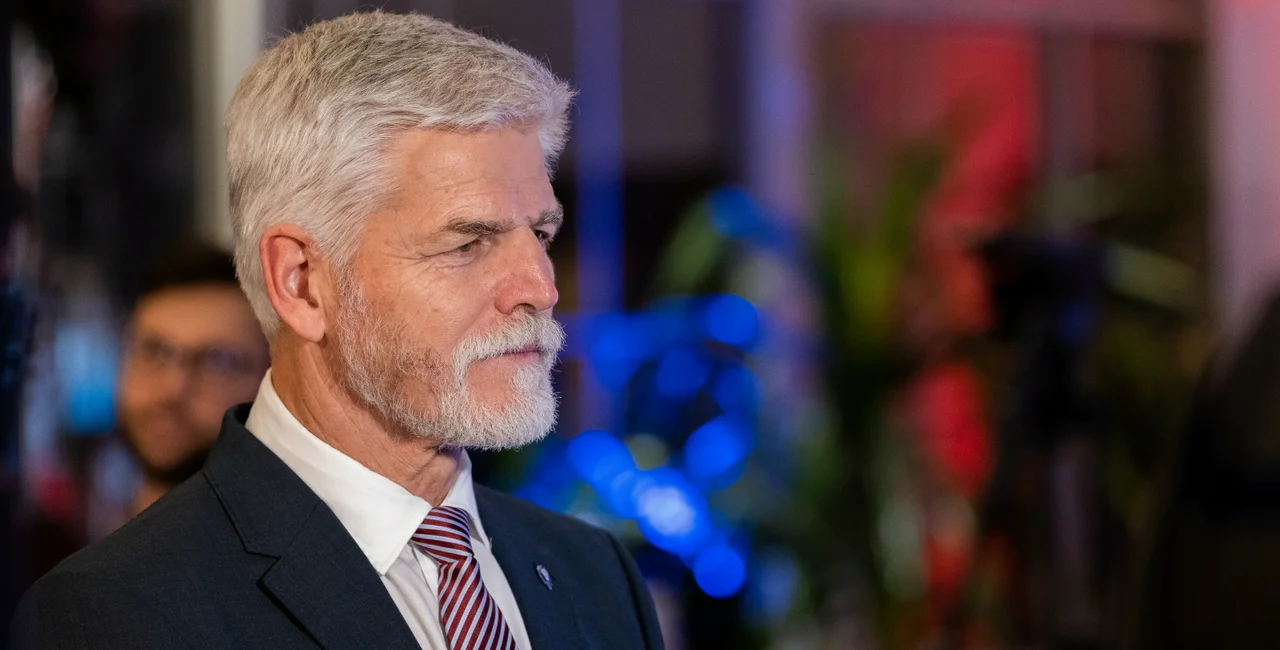
President Petr Pavel called Saturday for tensions to ease over the government’s public-media funding overhaul, warning that the rushed parliamentary proceedings raised serious doubts about its sponsors’ intentions.
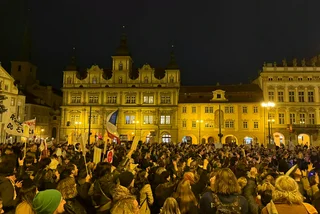
His intervention followed an overnight sitting in which governing MPs advanced a bill replacing television and radio license fees with direct state funding. The debate prompted protests outside parliament and has since drawn demonstrations in other Czech cities.
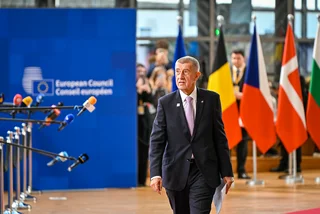
Prime Minister Andrej Babiš defended the proposal, saying legally guaranteed funding would strengthen the broadcasters’ stability and independence. He accused the opposition of escalating tensions.
President calls for debate before major changes
In a statement published Saturday, Pavel described public-service media as fundamental pillars of Czech democracy and said substantial changes should follow broad expert and public discussion.
The unexpected addition of the bill to Friday’s agenda and the overnight vote undermined confidence in the government’s intentions, he said.
SPD parliamentary group leader Radim Fiala acknowledged that surprise had been important because the opposition had threatened to block proceedings. He said coalition parties agreed Thursday evening to debate the measure Friday and Saturday.
The coalition imposed a fixed voting time and speaking limits, leaving 65 registered lawmakers unable to address the opening debate. The bill advanced at 4:36 a.m. Saturday and now awaits committee scrutiny before its second reading.

Pavel’s call for discussion was echoed by the permanent council of the Czech Bishops’ Conference, which emphasized respect for the broadcasters’ mission and editorial freedom.
Trade unions, university representatives and European journalism organizations have also raised objections.
Babiš defends safeguards as broadcasters warn of cuts
Babiš said the proposed funding would be a mandatory expenditure established by law and linked to inflation.
“The state will therefore have to pay the money, and no government will be able to arbitrarily reduce it depending on whether it likes the broadcasting or not,” he said.
Under the proposal, Czech Television would receive CZK 5.74 billion next year, approximately CZK 1 billion below its expected license-fee income this year. Czech Radio would receive CZK 2.065 billion, roughly CZK 400 million less.

Funding would rise by 10 percent once accumulated annual inflation reached that threshold.
Czech Television director Hynek Chudárek warned that the broadcaster could not maintain its current services with the reduced budget. Czech Radio also said the change would weaken financial stability and its ability to meet statutory obligations.
Babiš further inflamed the dispute by comparing events outside parliament with the January 2021 attack on the U.S. Capitol. Former Prime Minister Petr Fiala rejected the comparison, saying protesting citizens were not enemies of the state.

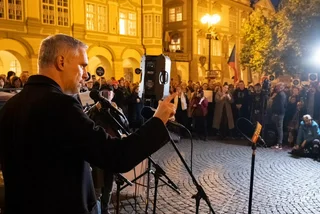
Several thousand people demonstrated in Brno on Saturday, with further gatherings in Liberec and České Budějovice. A Prague rally is scheduled for Old Town Square at 4 p.m. Sunday, Oct. 25.
Employees of both broadcasters plan an all-day strike Nov. 3. The legislation remains before parliament, and the existing license fees remain in place.