



 Reading time: 2 minutes

 Summary for: Czech Zoo welcomes first baby hippo in six years, with visits on hold
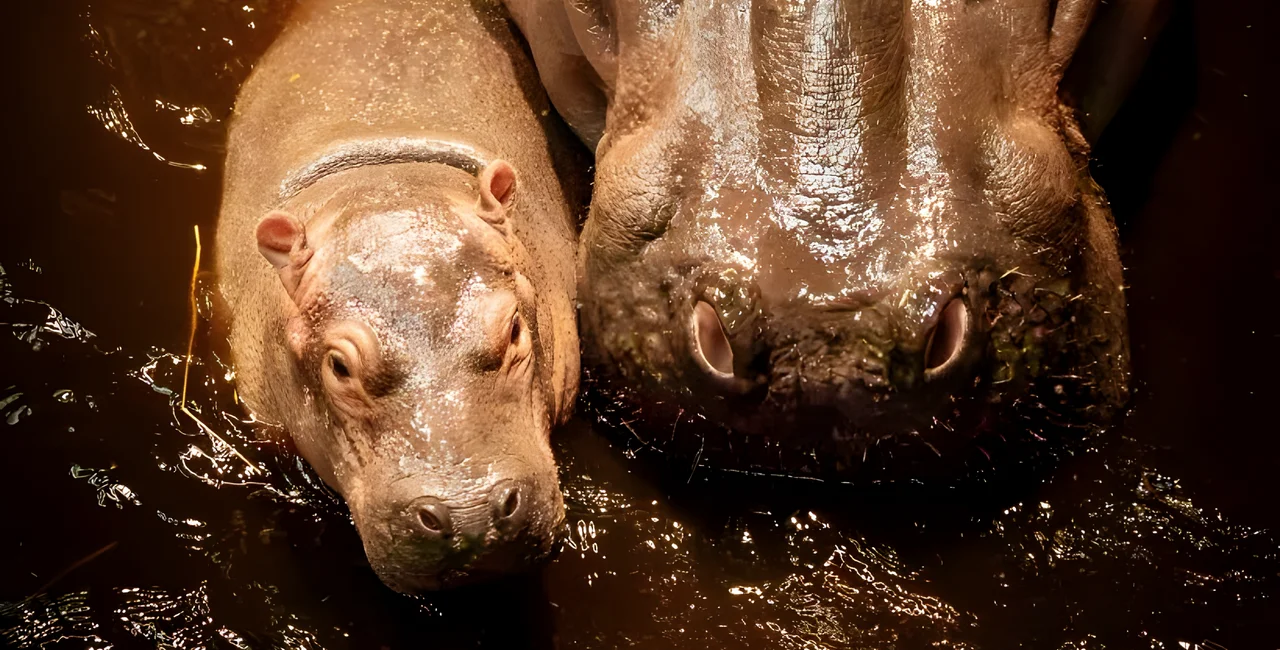
Ostrava Zoo has welcomed its first hippopotamus calf in six years, but visitors will have to wait to meet the new arrival. Part of the zoo’s Tanganika pavilion is temporarily closed to give the mother and calf a quiet environment.
The calf was born on Sunday, Nov. 22, to a 13-year-old female with previous experience raising young. The birth was uncomplicated, and the mother is caring attentively for her offspring, the zoo announced Thursday.
PARTNER ARTICLE

Keepers are monitoring the animals without intervening. If the calf’s development continues positively, the entire pavilion could reopen during December, although the zoo has not announced a date.
Mother and calf remain in the water
The mother gave birth in the pool, choosing a spot where she felt secure, according to Matěj Vrúbel, the zoo’s breeding inspector for hoofed mammals and carnivores.
She has since remained there with her calf, keeping her distance from the other hippos and staying in the water rather than coming onto land.
“It is natural behavior. She feels safer with her newborn calf in the aquatic environment,” Vrúbel said.
Although the mother is experienced, she remains watchful and sensitive to disturbance, prompting the temporary closure.

The group also includes her older daughter, born in 2020. Zoo spokeswoman Šárka Nováková said observing her mother would give the younger female valuable experience that could help her care for offspring of her own in the future.
The calf’s father is a seven-year-old male who arrived from Karlsruhe Zoo in Germany in 2024. This is his first offspring.
Both he and the younger female are respecting the mother and calf’s space, according to keepers.
“The hippo group is currently calm. We are not intervening in the rearing process; we are leaving everything to the animals and simply monitoring the situation,” Vrúbel said.
Part of the pavilion remains open
Visitors can still access the rear section of the Tanganika pavilion, home to banded mongooses. Entry is through the entrance near the Vadtha ni–Temple of Gibbons exhibit.
The birth also highlights the careful planning involved in breeding large, long-lived animals in zoos.
According to Ostrava Zoo, around 185 hippopotamuses are currently kept at 71 European zoological institutions. Eight births were recorded in that population over the past year.

Nováková said hippos’ longevity, combined with their relatively short gestation period, means zoos must actively consider the risk of producing more offspring than they can accommodate. Many institutions consequently choose not to breed them.
For now, Ostrava’s keepers are allowing the mother to raise her calf undisturbed, with public access dependent on how the pair progresses over the coming weeks.