



 Reading time: 6 minutes

 Summary for: Why working harder doesn’t always pay off, according to leaders in Czechia

There's a particular satisfaction in being the person who always delivers. You stay late when a deadline approaches, find solutions when things go wrong and take on the extra task because someone has to. Your colleagues trust you, your manager appreciates you, and the results speak for themselves.
But what if the very habits that make us successful today are quietly making it harder to succeed tomorrow?
This question is becoming increasingly relevant as work grows more interconnected, change accelerates and the skills we rely on need more frequent renewal.
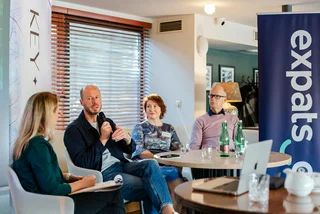
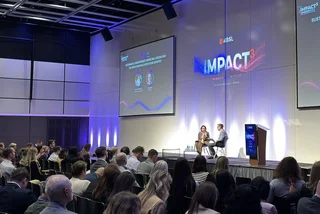
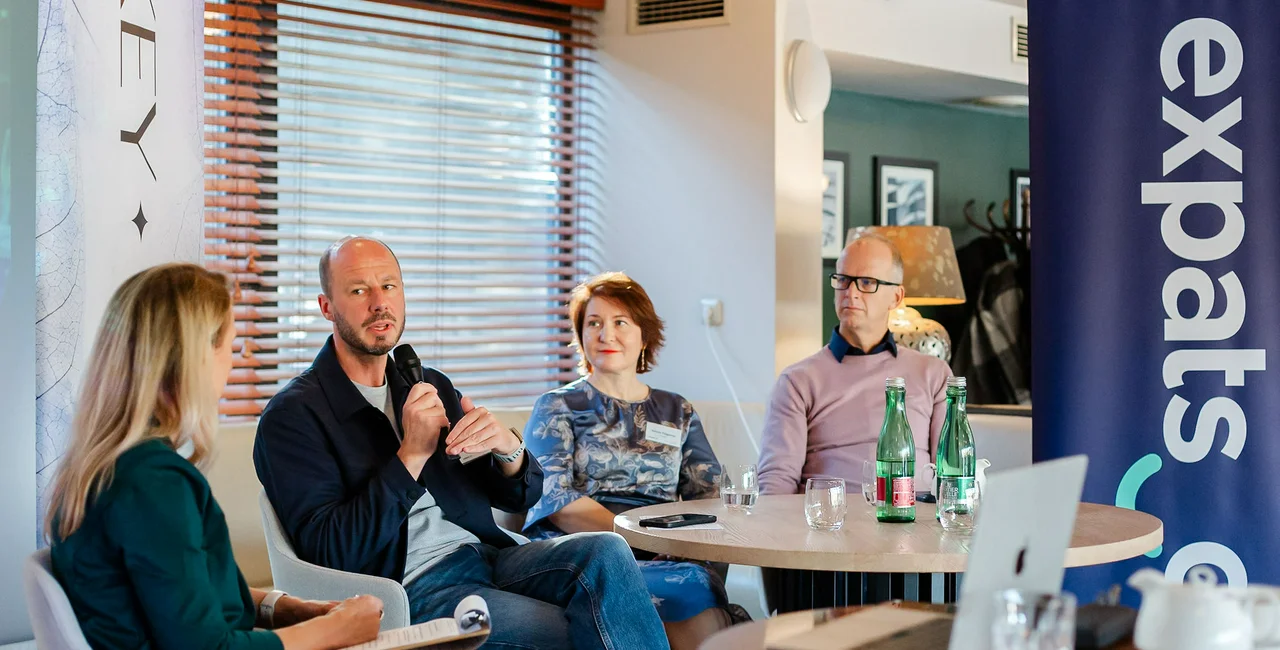
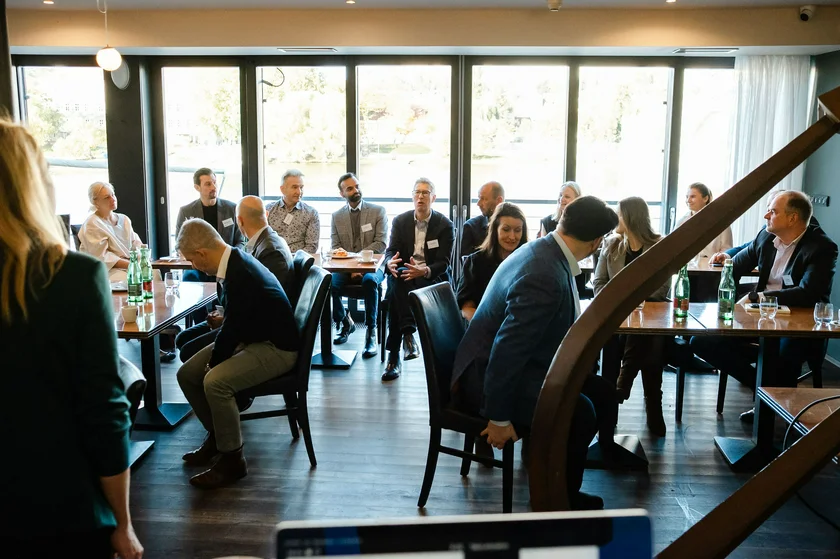
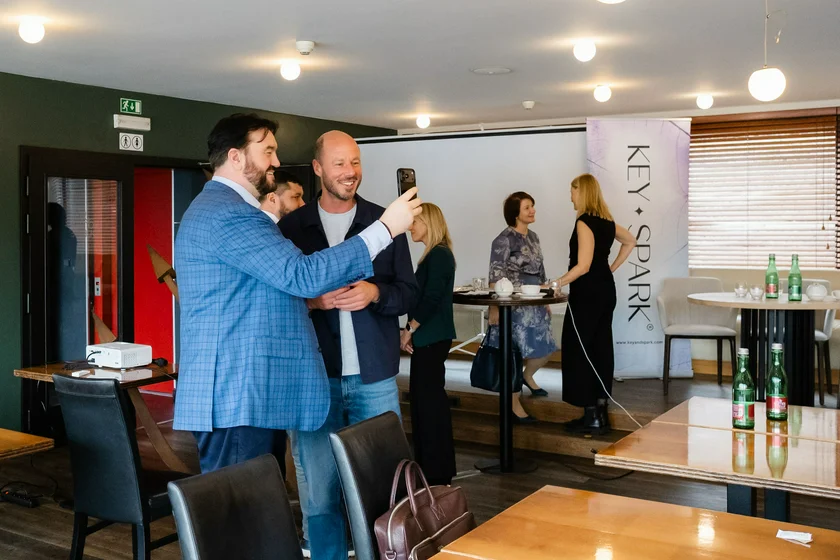
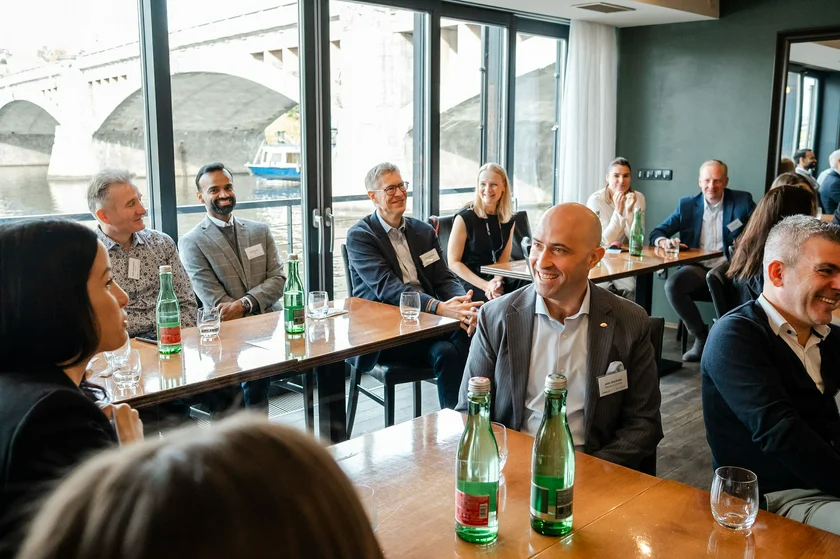
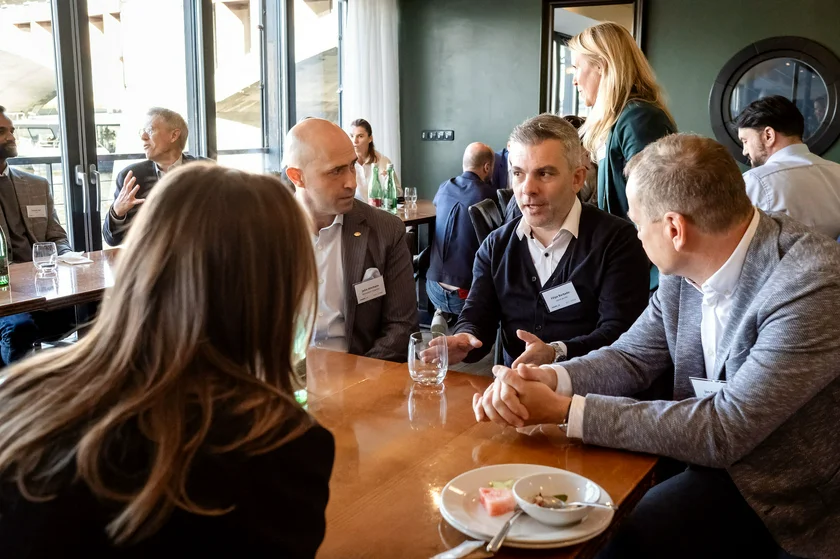
At a recent Expats Business Leaders Club masterclass, senior executives explored four leadership tensions that Key & Spark has identified through its work with leaders and teams. Each illustrates why sustaining high performance can take more than simply working harder.
When keeping people comfortable puts their future at risk
People typically perform better when they know what's expected of them and they feel reasonably secure about the future. Yet sometimes the very changes that protect our future are the ones that unsettle us today.
David Kaláb, chief strategy officer at Adastra Group, highlighted this dilemma: leaders are expected to provide stability and predictability while also introducing changes that may initially undermine both.
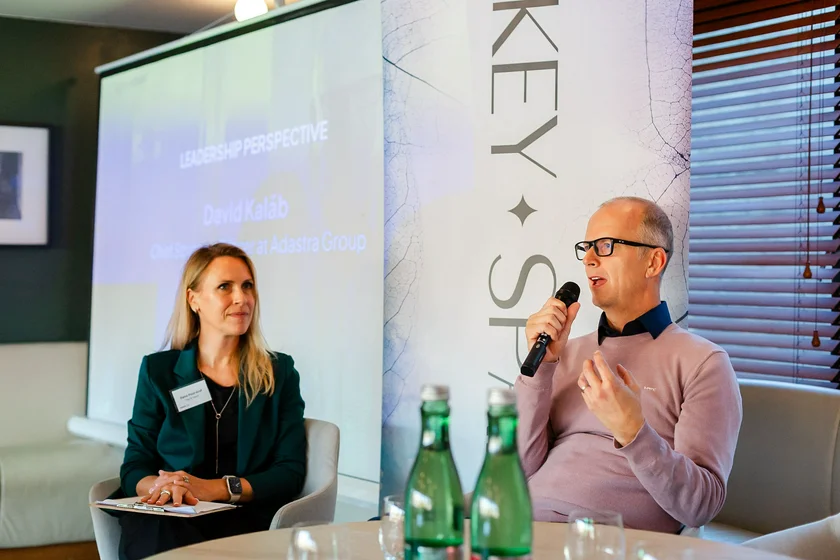
According to him, it's not enough to explain why change makes business sense. People experience it emotionally, and leaders must be prepared for those reactions without becoming driven by their own.
Something to consider: When introducing change, are you addressing only what people need to understand, or also what they may be worried about losing?
When getting along means avoiding what matters
A meeting ends with everyone apparently in agreement. Then, over coffee, someone raises a concern they didn't feel comfortable expressing in the room, like if they felt the deadline was unrealistic, or that an important risk went unchallenged.
Ganna Pidgorna, chief people, brand and sustainability officer at UNIQA, emphasized the importance of being genuinely present with people, investing time in understanding them and finding the courage to address emotions alongside rational arguments.
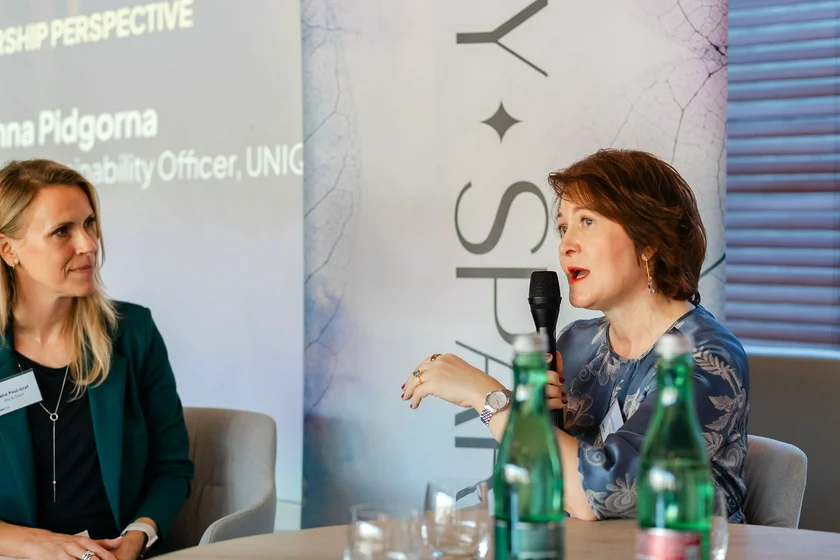
“The key is to create the right time and space, be genuinely present, and speak openly about what happened and how it affected me, without blaming the other person,” Pidgorna said.
She recalled telling a colleague that something in their interaction had hurt her, even though the colleague hadn’t intended to cause harm.
“The conversation was uncomfortable at first, but we came out of it more connected, and our collaboration and trust have grown since.”
Done well, she says, these conversations can strengthen trust rather than threaten it. But constructive disagreement is a skill, not simply an invitation to speak up. How we question, listen and respond matters as much as what we say.
Something to try: In your next important discussion, ask, “What might we be missing?” Then make room for the answer without immediately defending the existing plan.
When success becomes the biggest obstacle to change
Imagine suggesting a new approach to a team that's exceeding its targets. Why change something that works?
Martin Siebenhandl, general manager for the Czech Republic and Slovakia at the LEGO Group, explored how difficult it can be to initiate change precisely when a team is regarded as highly successful.
“Strong results can make it tempting to protect what works, but they also give you the confidence and capacity to experiment,” Siebenhandl said.
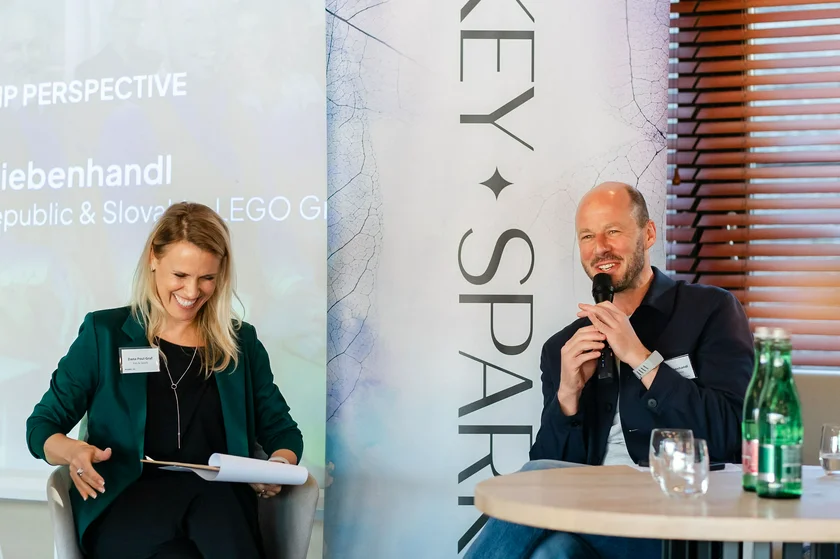
He pointed to a change his team made to a process that was already working well.
“For example, simplifying an already established, successful process helped us spend less time coordinating and more time on customers and commercial outcomes.”
Waiting for results to deteriorate can mean waiting too long. From the inside, changing established practices can feel like dismantling something valuable. Yet external circumstances may already be shifting, and the capabilities behind today's success may not be enough for tomorrow.
Something to consider: What are you exceptionally good at today that you may need to develop further to remain good at in the next few years? What would help you prioritize that development before your performance declines?
When commitment needs more than encouragement to rest
After an exhausting day, you switch off your laptop and spend an hour scrolling through your phone. You've escaped work, but have you actually recovered?
Recovery matters, but the more interesting question is whether our workplaces genuinely make it possible.
Consider humanitarian missions, where personal commitment and the demands of the work can be extraordinary and decisions may have life-or-death consequences. Doctors Without Borders approaches these demands through defined assignments, time for rest and recuperation (R&R), briefings, debriefings and psychosocial support.
In a conversation with Tomáš Bendl, general director of Doctors Without Borders in the Czech Republic, one principle stood out: people need to be able to recognize when they can no longer sustain an assignment's demands and feel genuinely safe discussing the need to step back.
Tomáš Bendl General director of Doctors Without Borders in the Czech Republic“Certain opportunities for rest, such as mandatory R&R, are always built into the missions themselves.”
He added that the people who manage staffing and careers are trained to treat declining a posting, cutting a mission short or taking time off between departures as sound professional judgment.
“People will only admit their limits if they can see that colleagues who did so were offered the next opportunity,” he said.
The lesson reaches far beyond humanitarian work. Recovery becomes possible not simply when people are encouraged to take it, but when the way work is organized allows them to do so.
Something to try: Before you reach your limit, identify what helps you genuinely recover and what makes recovery difficult. Then have a concrete conversation with your manager about how to manage periods of intense work, including what could be adjusted, shared or temporarily handed over when you need to step back.
The harder choices behind high performance
Hard work, ambition, agreement and stability all have value. The challenge is recognizing when they help us perform and when something different is needed.
For professionals, that starts with paying attention. When do you do your best work? What drains your energy without adding much value? Which habits are genuinely helping, and which are simply familiar or expected? Noticing these patterns is the first step. The next is acting on them consistently, whether that means protecting time to think, developing a new skill, speaking up or making room for recovery.







For leaders, the challenge goes further. People need conditions in which they can make those choices without unnecessarily putting their performance, relationships or careers at risk. That means making room for constructive disagreement, responding thoughtfully to emotions, investing in future capabilities and making recovery possible in practice.
And for everyone, it means being willing to discuss what isn't working and help shape better ways of working together.
As Dana Poul-Graf of Key & Spark puts it:
“The hardest decisions are often not between right and wrong, but between several things that all matter. The challenge is recognizing what the situation calls for, making a conscious choice and being prepared to reconsider it when circumstances change.”
So the next time you look back on a particularly successful week, project or year, take a moment to celebrate what you've achieved. But consider asking yourself one additional question:
What did we achieve, and what has it left us capable of doing next?
This article draws on the October 2026 Expats Business Leaders Club masterclass The Edge of High Performance, curated and facilitated by Dana Poul-Graf of Key & Spark. The discussion featured David Kaláb (Adastra Group), Ganna Pidgorna (UNIQA) and Martin Siebenhandl (LEGO Group), with additional perspectives from Tomáš Bendl (Doctors Without Borders). The Expats.cz Business Leaders Club is an invitation-only leadership community co-created by Expats.cz and Key & Spark.