



 Reading time: 2 minutes


 Summary for: Prague opens winter shelters Dec. 1, offering 630 beds for homeless residents
Prague will launch its annual winter shelter program on Dec. 1, providing 630 overnight beds for people experiencing homelessness, alongside additional accommodation and expanded outreach services.
The network will include 70 reserve beds for emergencies, 121 places for people in poor health, and more than 100 seats in heated spaces where people can spend the night.

The measures, organized with nonprofit partners, will remain in operation through the end of March 2027, City Hall announced Wednesday.
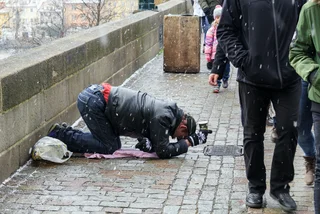
According to the charity Naděje, approximately 2,600 people live on Prague’s streets.
Shelters, hygiene facilities, and health support
Participating facilities include Kloubovy domy, which accommodates people with serious health complications, two shelters in Troja, and Salvation Army night shelters in Holešovice and Malešice.
Two hygiene centers will also operate at night. They will offer washing facilities, clean clothing, and essential medical treatment before people move to overnight accommodation.
City councilor Alexandra Udženija said the aim was to ensure people did not have to remain outside in freezing conditions without access to help.
“Prague will again provide a network of night shelters, heated spaces, and outreach services offering not only a roof overhead but also necessary support for people in acute need,” she said.
The city’s Social Services Centre, Centrum sociálních služeb Praha (CSSP), will coordinate the program through a round-the-clock dispatch service.
Dispatchers will monitor available spaces, share information between participating organizations, and coordinate assistance. CSSP director Monika Korábová said particular attention would go to people whose health requires more intensive or individualized support.
More outreach for people staying outside
Street teams will expand their daytime and nighttime operations, helping people outdoors, providing urgent medical assistance, and arranging transport to suitable facilities.
Naděje, the Salvation Army, and the Prague Archdiocesan Charity are among the organizations involved.
Support will also reach people who do not want to use shelters and continue sleeping outside during freezing weather.
CSSP coordinator David Veber said outreach workers would distribute tents, sleeping bags, and sleeping mats to help them cope with winter conditions.
Last winter, when a similar number of places was available, the city provided approximately 61,000 overnight stays. An average of 572 people used the accommodation each night, according to Udženija.
She described that season as the largest yet in terms of the assistance provided.
Residents looking for available services or information about helping someone in need can consult the city’s bezdomova.eu website. The site brings together information about support for people experiencing homelessness in Prague.