Babiš rejects linking EU budget negotiations to future funding for Ukraine

Prime minister says Ukraine funding should remain separate from the EU's next seven-year budget, as Czechia needs funds for infrastructure and healthcare

Expats.cz Staff

Written by Expats.cz Staff Published on 26.11.2026 15:45:00 (updated on 26.11.2026) Reading time: 3 minutes
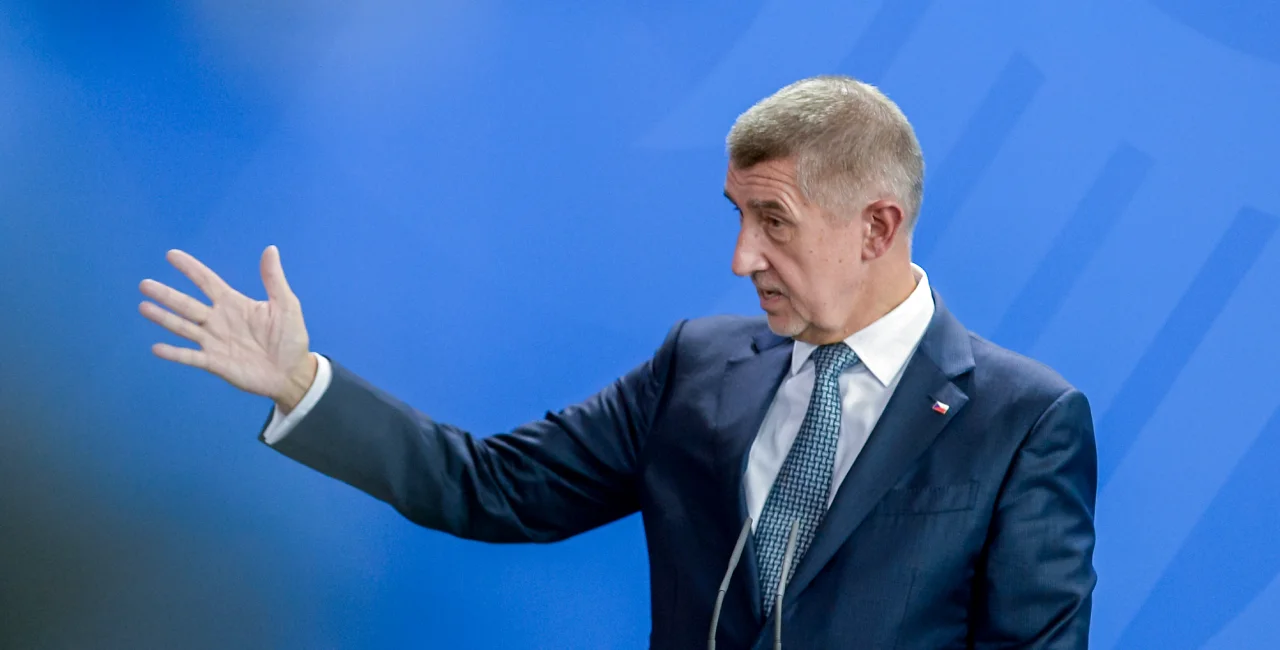
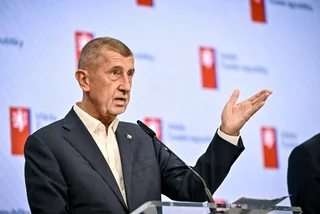
Czech Prime Minister Andrej Babiš has rejected proposals to link future EU budget negotiations with financial support for Ukraine, arguing that Czechia needs to protect funding for domestic infrastructure, hospitals and healthcare.

Speaking ahead of a two-day emergency EU summit in Brussels on Nov. 26, Babiš said the country's priorities include completing its highway network and narrowing living-standard differences between EU member states. He argued that financial assistance for Ukraine should be negotiated separately from the bloc's next long-term budget, which will cover the seven-year period beginning in 2028.

The summit is addressing both the EU's future budget and financial assistance for Ukraine. No agreement is expected during the current discussions, with the next regular EU summit scheduled for Dec. 17-18.

"Czechia will fight for this money. Thirty-seven years after the revolution, we still don't have a highway connection to Austria. We also need to build hospitals," Babiš told foreign journalists.

Germany wants Ukraine funding included in budget negotiations

Babiš's position contrasts with that of German Chancellor Friedrich Merz, who wants the next seven-year EU budget linked to commitments from all 27 member states to contribute to Ukraine's financial support in 2027 and subsequent years.

Merz said the assistance was a matter of shared European security and that its costs should therefore be distributed fairly among member states. Dutch Prime Minister Rob Jetten expressed support for this approach on Nov. 26.

The European Commission last week proposed a new EUR 45 billion loan for Ukraine for 2027, equivalent to approximately CZK 1.1 trillion. The proposed package would supplement an already approved EUR 90 billion EU loan covering 2026 and 2027.

Of the additional EUR 45 billion, up to EUR 25 billion would be allocated to military assistance and up to EUR 20 billion to support Ukraine's state budget.

Babiš questioned the prospect of committing to long-term financial assistance without a clearly defined objective or timetable for ending the war. He said Ukraine had already received hundreds of billions of euros in support since Russia's full-scale invasion and asked how long European governments were expected to continue financing the country.

He also called for a clear plan outlining when negotiations would take place and what their intended outcome would be.

Babiš calls for European involvement in peace negotiations

The Czech prime minister said the EU must have a seat at the negotiating table over Ukraine's future, referring to an understanding reached at an informal summit in Dublin in mid-November.

Under that arrangement, France, Germany, Italy, Poland, the United Kingdom and representatives of EU institutions would represent Europe in discussions concerning Ukraine. Babiš specifically highlighted the UK's participation and described Brexit as a mistake.

He also criticized the current diplomatic situation, in which the United States and Russia are conducting discussions about Ukraine while European countries provide substantial financial assistance without having an equivalent role in negotiations.

Czechia would nevertheless continue its ammunition initiative supporting Ukraine, Babiš said, emphasizing that the country remained in contact with Kyiv.

In a statement published on X later on Nov. 26, Babiš reiterated that he would not support an EU budget agreement under time pressure if it weakened Czech interests.

He criticized the proposed budget structure for weakening nationally managed programs such as cohesion funding while favoring centrally administered programs supporting competitiveness and innovation, which he said could benefit wealthier member states.

Babiš added that he considered it unacceptable to use Ukraine's future financial assistance as leverage in negotiations over the EU's long-term budget.

Did you like this article?

Czechia’s latest news

Read all the headlines
Want to see more from us? Select Expats.cz as a preferred source on Google.