



 Reading time: 8 minutes

 Summary for: The future of Czech gastronomy: How the old rules are starting to disappear
Marek Fichtner pulls an old Czech culinary textbook from the shelf and begins leafing through its worn pages.
“This is my book. It’s about 30 years old, and this is what I learned from in school,” says the executive chef at Červený Jelen. He stops near the beginning and points to the contents.
“First, soups. Soups, soups, soups.” The pages keep going, listing hundreds of options.
“I could name 40 or 50 different soups,” Fichtner says. “But soups were never considered a starter. Back then, we just weren’t much of a starter nation.”
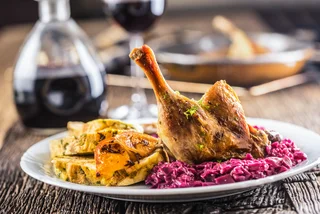
For much of the modern era, Czech dining appeared caught between two poles. There was the traditional pub menu, anchored by dumplings, cream sauces and slow-cooked meat. Then there were restaurants that looked elsewhere for sophistication, borrowing from France, Italy, Japan or, more recently, Scandinavia.
In the last few years, a new category largely absent from the Czech restaurant landscape has emerged: modern Czech gastronomy.
“It’s changing, and changing fast,” Jiří Panuška, Executive CMO at Červený Jelen, tells Expats.cz. “That third category has finally arrived, and it's what people are actually choosing now.”
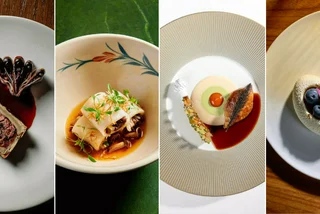
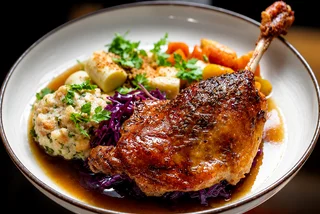
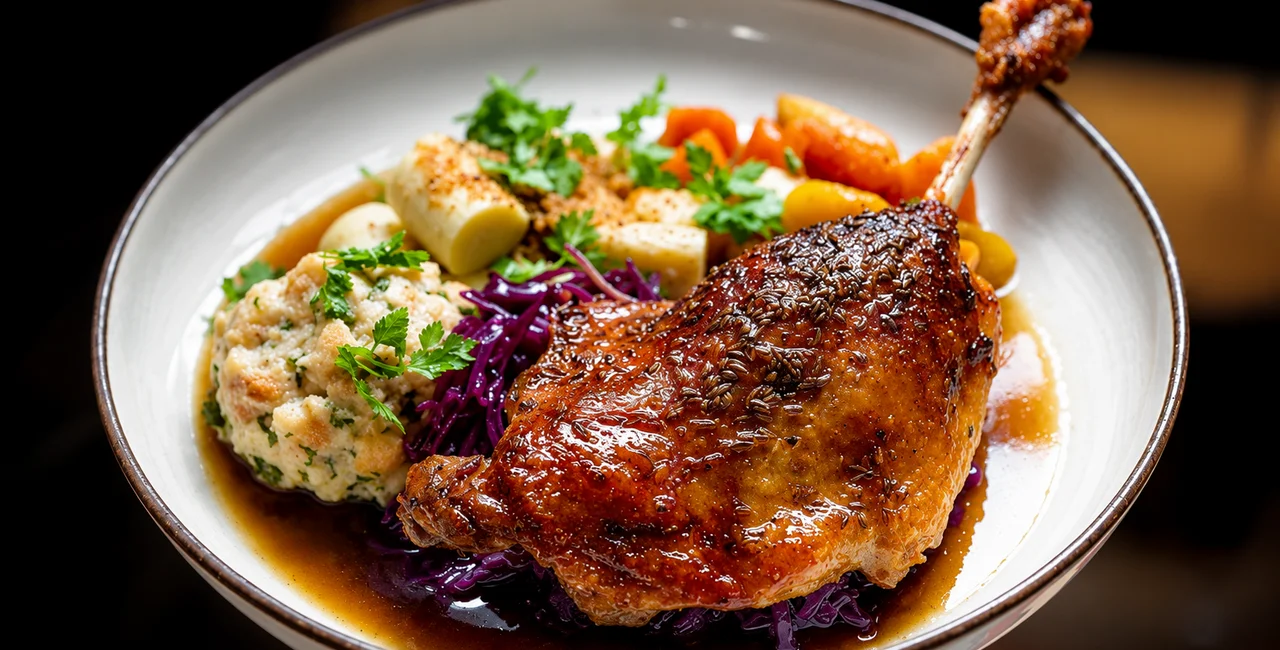
A new generation of restaurants is treating Czech food as something that can be refined without being disguised. Familiar dishes are returning with better ingredients, more precise technique and an awareness of how people want to eat now.
The future, then, may look surprisingly familiar, using ingredients, dishes and traditions that have been here for generations. What is changing is the conviction with which restaurants present them.
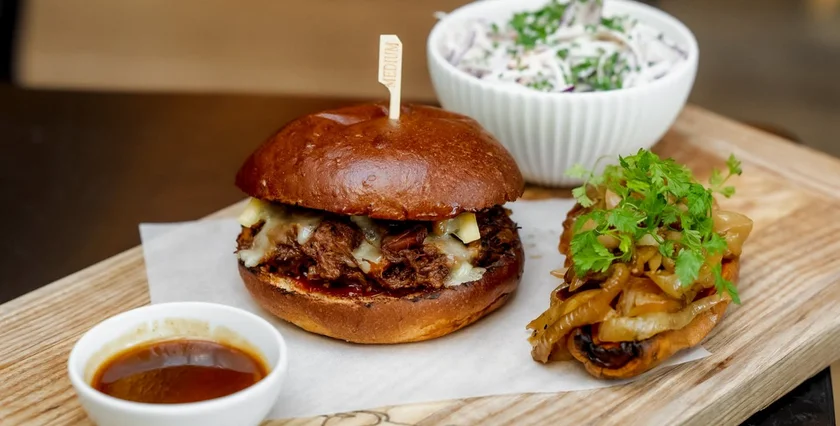
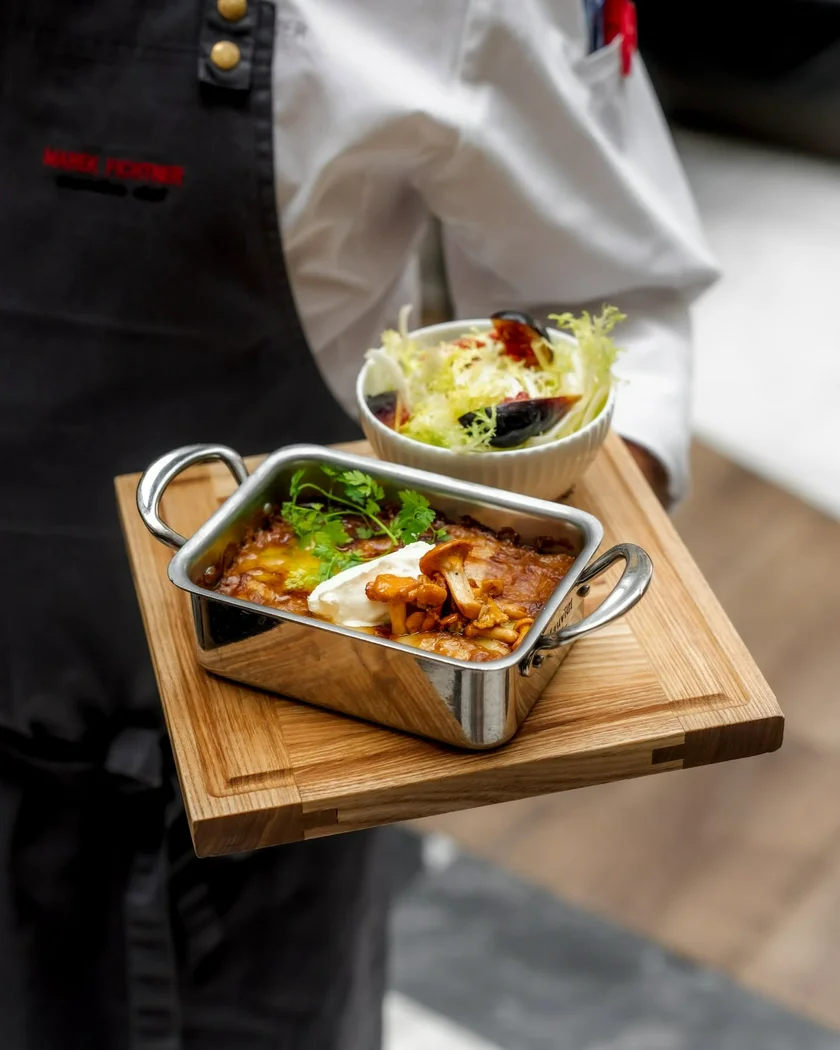
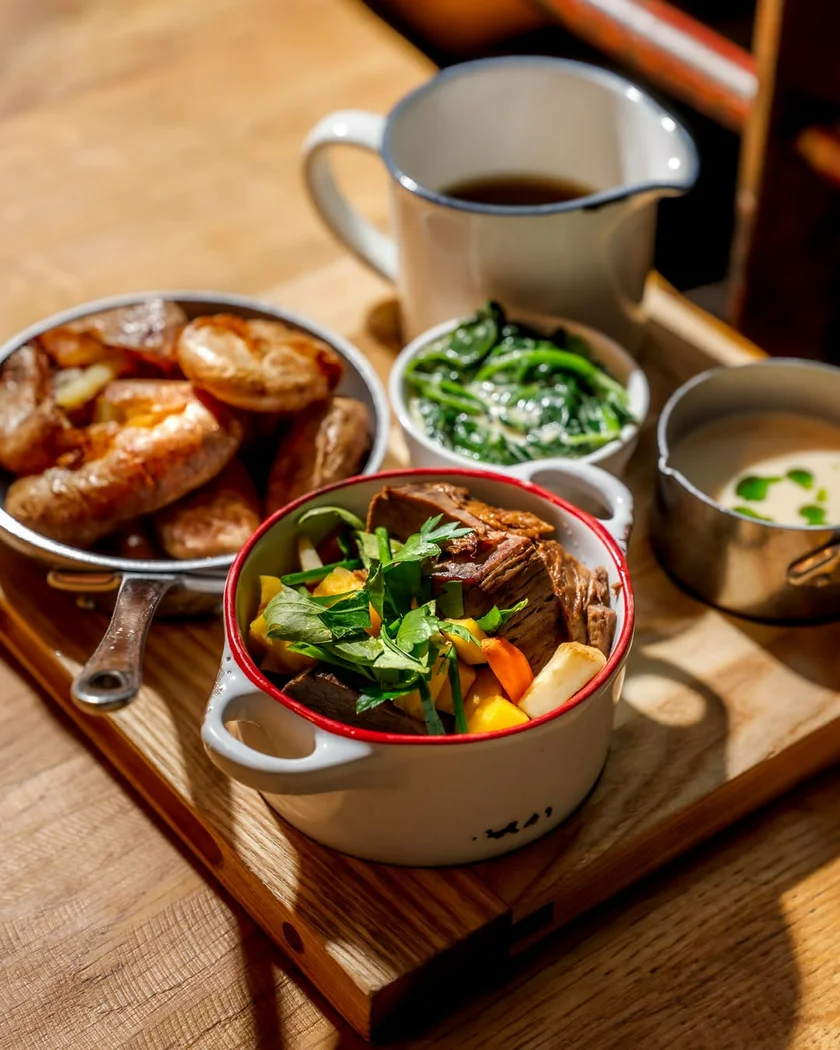
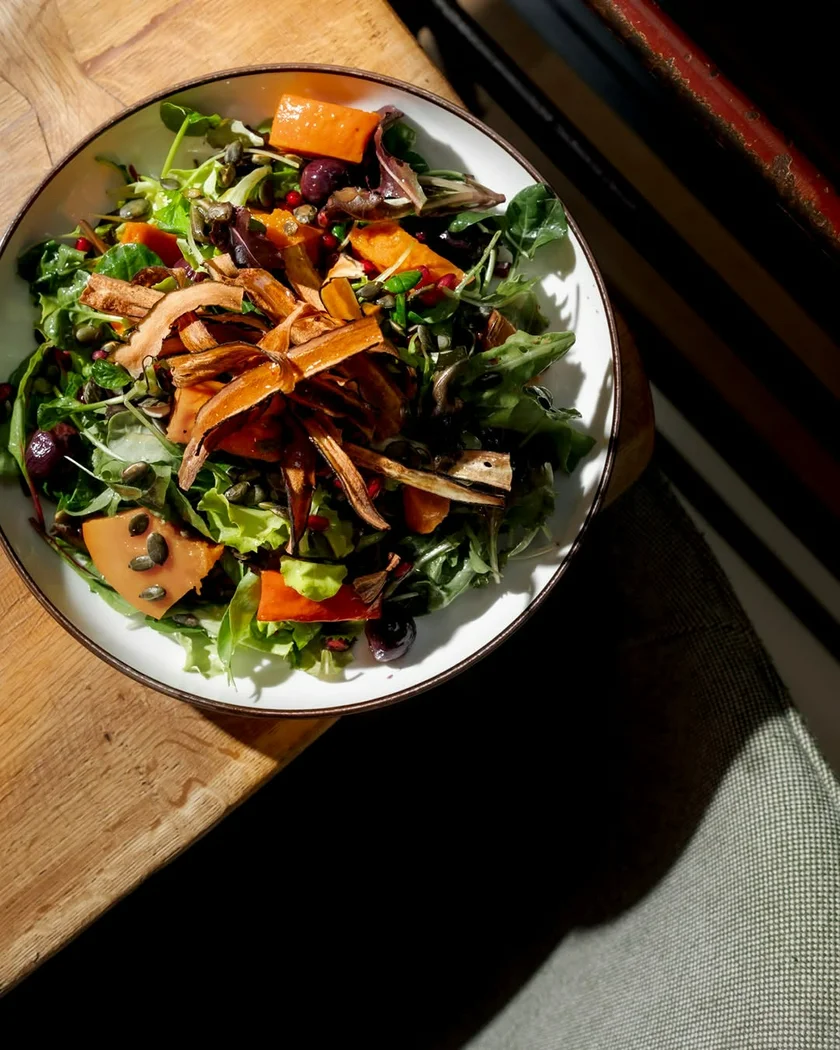
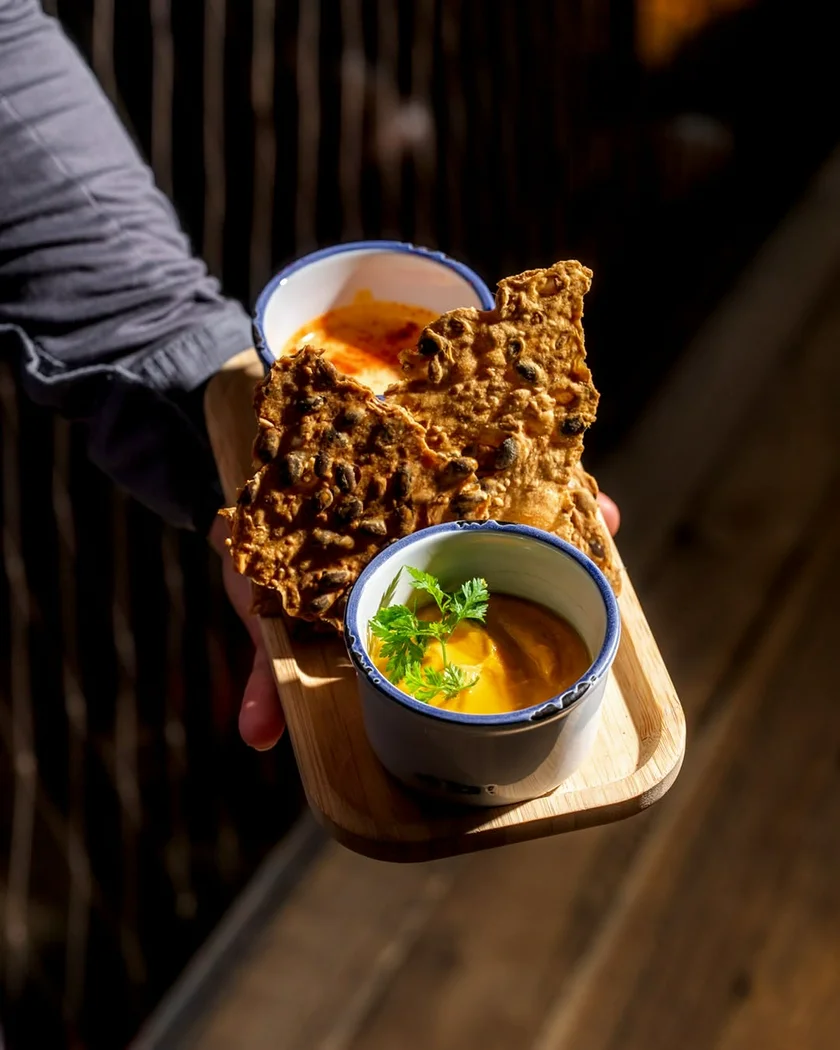
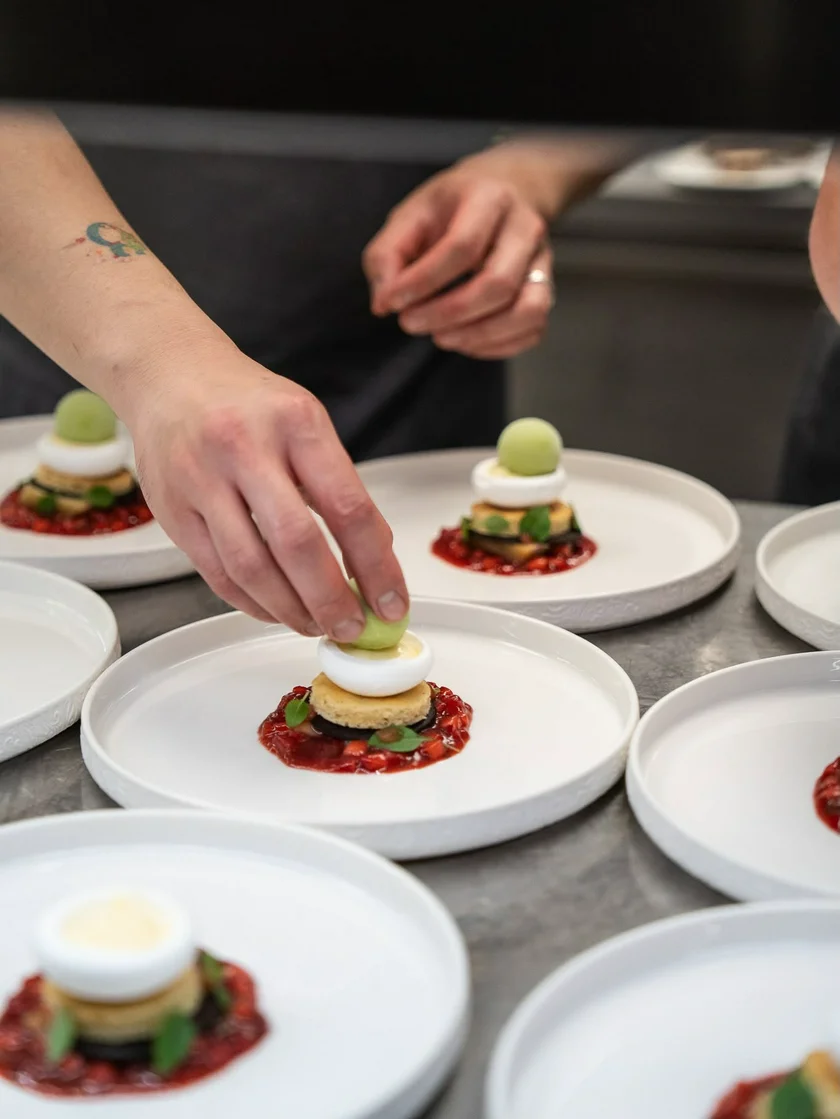
Czech food stops apologizing for itself
Some of the most recognizable Czech dishes share roots with the cuisines of Bavaria, Austria, Slovakia and the former Habsburg lands. Yet Czech cooks developed their own language from those connections. The textbook captures a version of Czech gastronomy that is still recognizable today, but increasingly incomplete.
The changes Fichtner sees are not limited to technique, because they are happening in what Czechs actually want to eat.
Sweet main courses like poppy seed noodles that once appeared routinely at home, at school and on restaurant lunch menus are becoming rarer. Soup now competes with a much wider selection of starters. Meat, once an everyday expectation for many Czech families, is no longer automatically at the center of every meal.
“I think the biggest change is that we’re offering more and more vegetarian dishes,” Fichtner says. “More people simply don’t eat meat every day anymore, even if they aren’t vegetarian.”
It’s a particularly bold reality coming from the executive chef of a restaurant known for steaks and grilled meat. Fichtner says that even as a child, he never felt the need to eat meat every day.
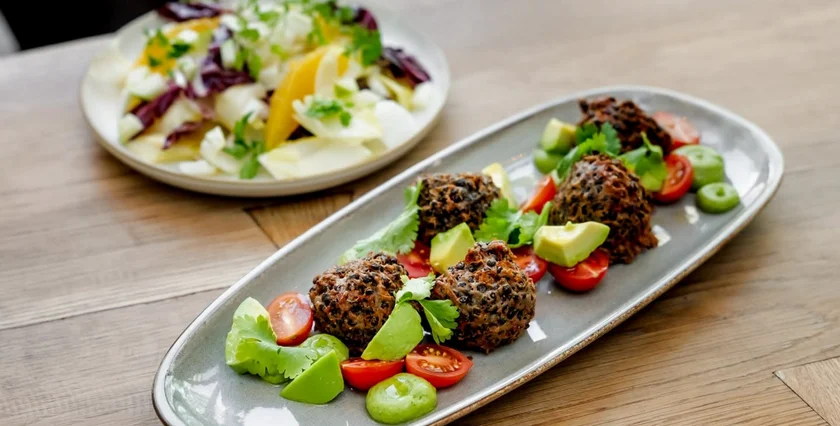
For Panuška, modern Czech food is not a matter of placing foam on svíčková or dismantling a classic dish until it becomes unrecognizable.
“The dominant trend is the maturing of modern Czech gastronomy,” he explains. “It’s Czech cuisine cooked with real technique, honest sourcing, and enough confidence to stop apologizing for itself.”
Fichtner reaches a similar conclusion from the kitchen. “The future of Czech gastronomy is about cooking our own cuisine at the highest possible quality, using good ingredients,” he says. “And where it makes sense, we can make some dishes a little lighter.”
The challenge, then, is to adapt without flattening the cuisine into an international version of itself.
Asparagus and mushrooms: what the future may hold
"Communism stripped Czech cuisine down, and for that whole period it didn't move forward. It just stood still."
Fichtner doesn’t mince his words. For him, Czech gastronomy cannot move forward without acknowledging how much range was lost during that period. Restaurant cooking became driven by affordability and standardization, while ingredients and traditions that did not fit the system were pushed aside.
White asparagus, once cultivated around Mělník, is one example.
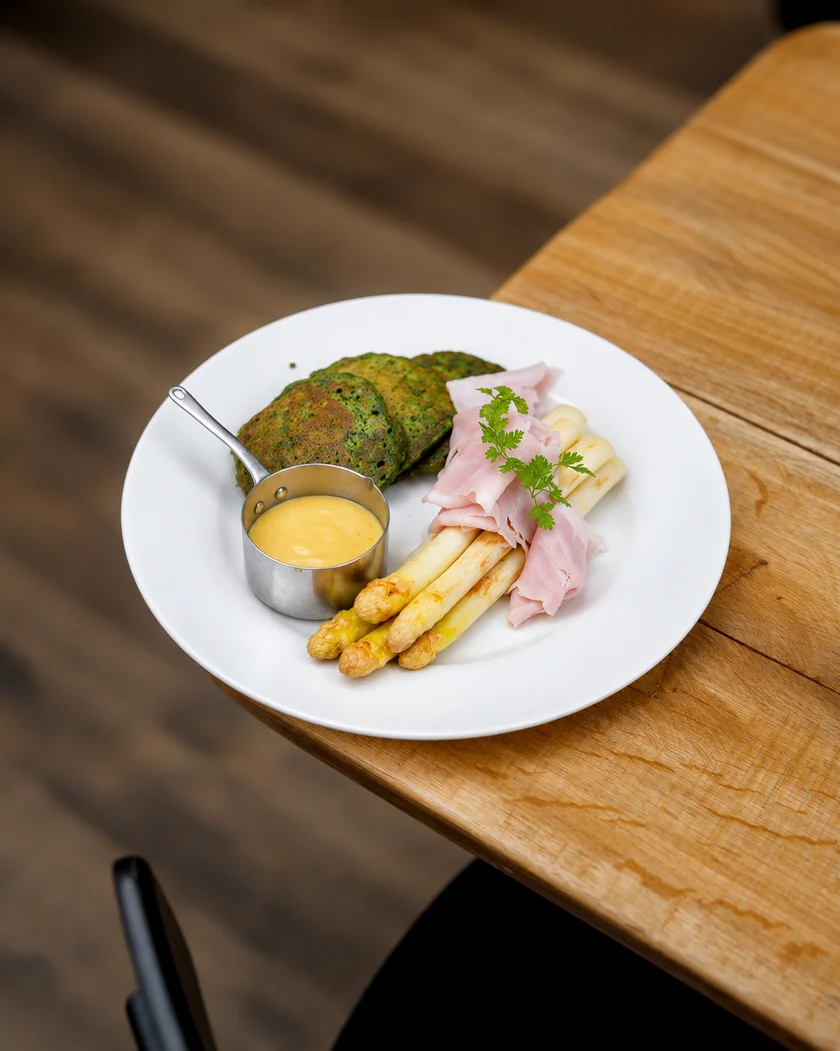
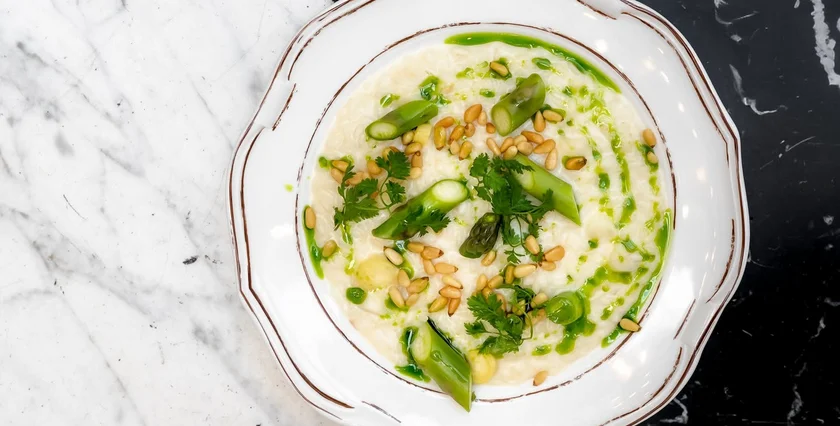
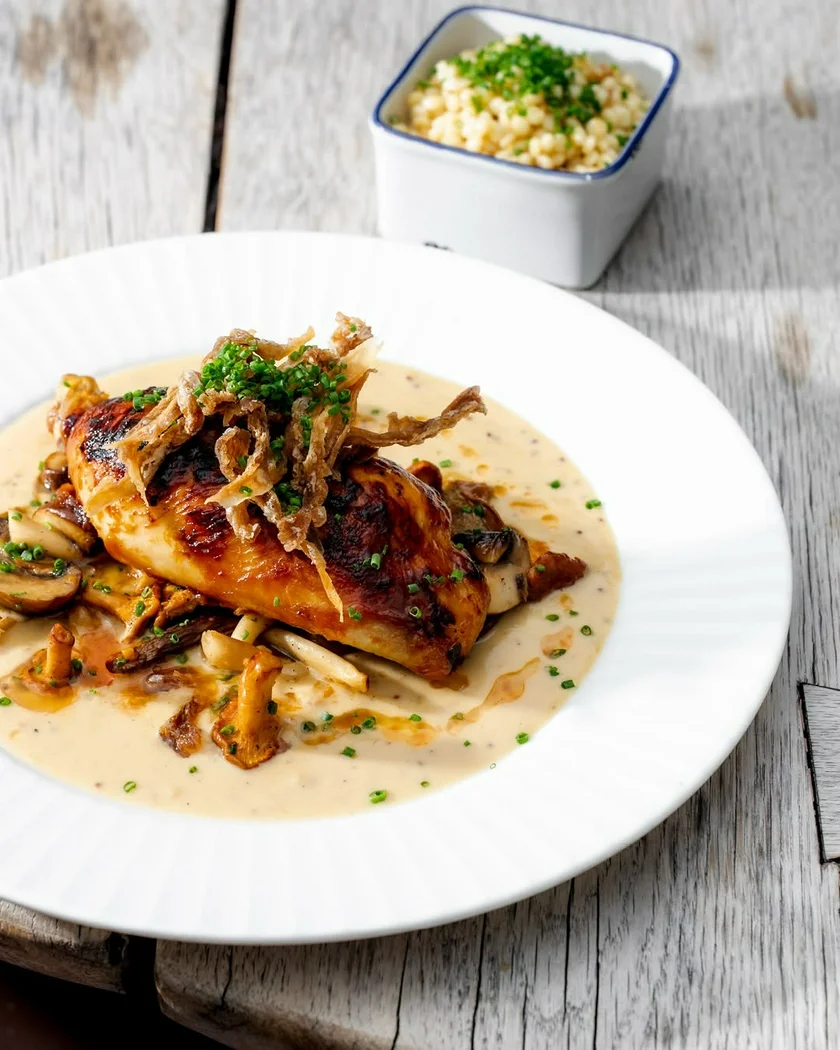

“We used to be a major producer of white asparagus,” Fichtner says. “It was pushed aside as a Western luxury and much of the land went to staple crops.”
Today, Czech asparagus is making its way back into restaurant kitchens. Fichtner says the return has been gradual because rebuilding both production and quality takes time.
Small producers are also supplying products and ingredients that connect contemporary restaurants with regional traditions.
“Moravian lamb, South Bohemian carp, game from real hunts, heritage vegetables from small farms, dairy from producers who were nearly extinct 10 years ago,” Panuška lists off. “Modern Czech kitchens are pulling these back into the mainstream.”
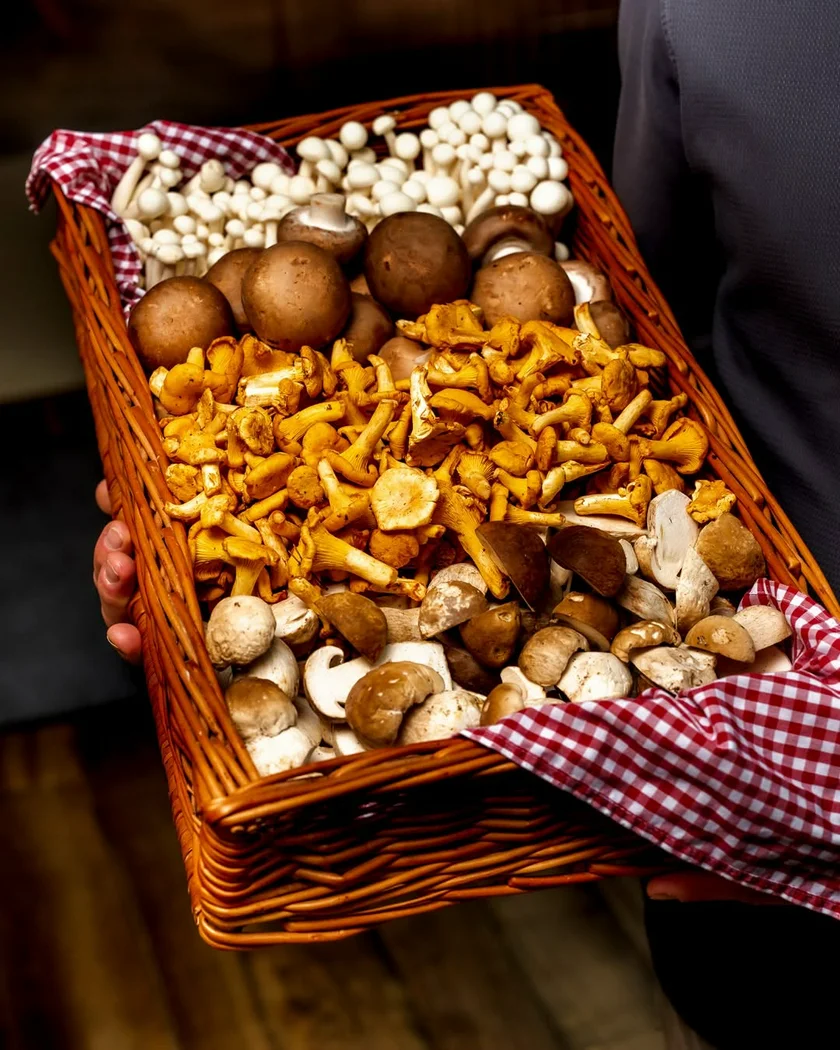
Mushrooms, long gathered from Czech forests and cooked at home, offer another route forward.
Their potential extends beyond kulajda, according to Fichtner. Czech households have traditionally cooked mushrooms with onions and eggs, breaded porcini like schnitzel and used dried varieties to deepen sauces. These dishes already possess the plant-forward character that restaurants elsewhere are trying to invent.
Marek Fichtner Executive chef, Červený Jelen“People talk about insects as the food of the future. Maybe. But mushrooms are something special. They taste good, and you can make so many dishes with them.”
Better restaurants, but also fewer restaurants
The creative revival is arriving during a difficult period for the people responsible for carrying it forward. According to Panuška and Fichtner, restaurants face higher labor, energy, rent and food costs. Experienced hospitality workers left during Covid-19, while young employees can find more predictable work in other industries.
“The Czech restaurant industry that emerges from this decade will be smaller than the one that entered it,” Panuška says, “but hopefully significantly smarter.”
Restaurants trying to serve everything, from pizza to sweet-and-sour dishes, will struggle against concepts that give diners a specific reason to return. He expects stronger operators to respond with shorter menus, more disciplined costing and clearer identities.
Technology may become part of that divide. According to the CMO, forecasting tools could help restaurants anticipate demand according to weather and local events. Inventory systems could identify small cost increases before they erode a month’s profit.
Reservation data could allow a larger restaurant to remember regular guests with the familiarity once associated with a neighborhood bistro.
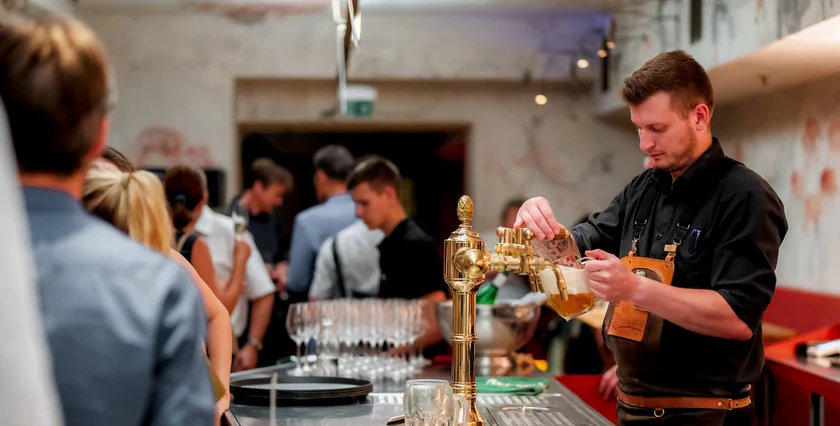
Fichtner identifies hospitality itself as another area in which Czech restaurants have already advanced.
“Service in Czechia has improved a lot,” he says. “The quality of the food, the hospitality and the restaurants themselves have all improved.”
This does not mean copying the American model of instant familiarity. Czech service can retain its more reserved character while becoming attentive, knowledgeable and coordinated. Fichtner describes the cooperation between the kitchen and service team as essential because “there is only one goal. And this is a satisfied customer.”
Pub life will be reinvented
Rising costs and falling profits have accelerated the decline of traditional beer pubs, with village establishments among the hardest hit. More recently, some of Prague’s old-school pajzl pubs have been disappearing as newer, more polished venues take their place.
As traditional pubs decline, modern Czech restaurants may also inherit something less tangible: their social role.
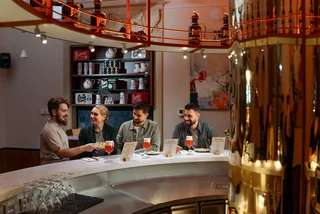
For generations, the Czech pub was more than somewhere to eat or drink. It was a place to linger, meet friends and share space with people outside your immediate circle. Panuška sees contemporary restaurants beginning to take on some of that function.
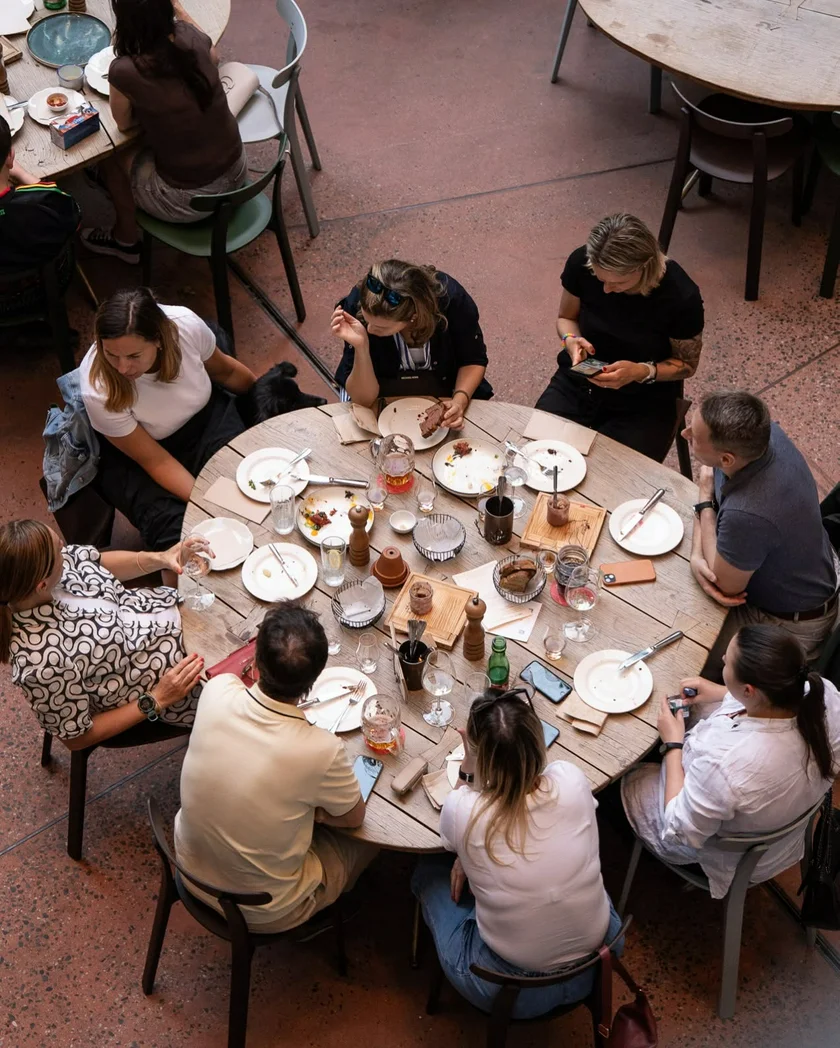
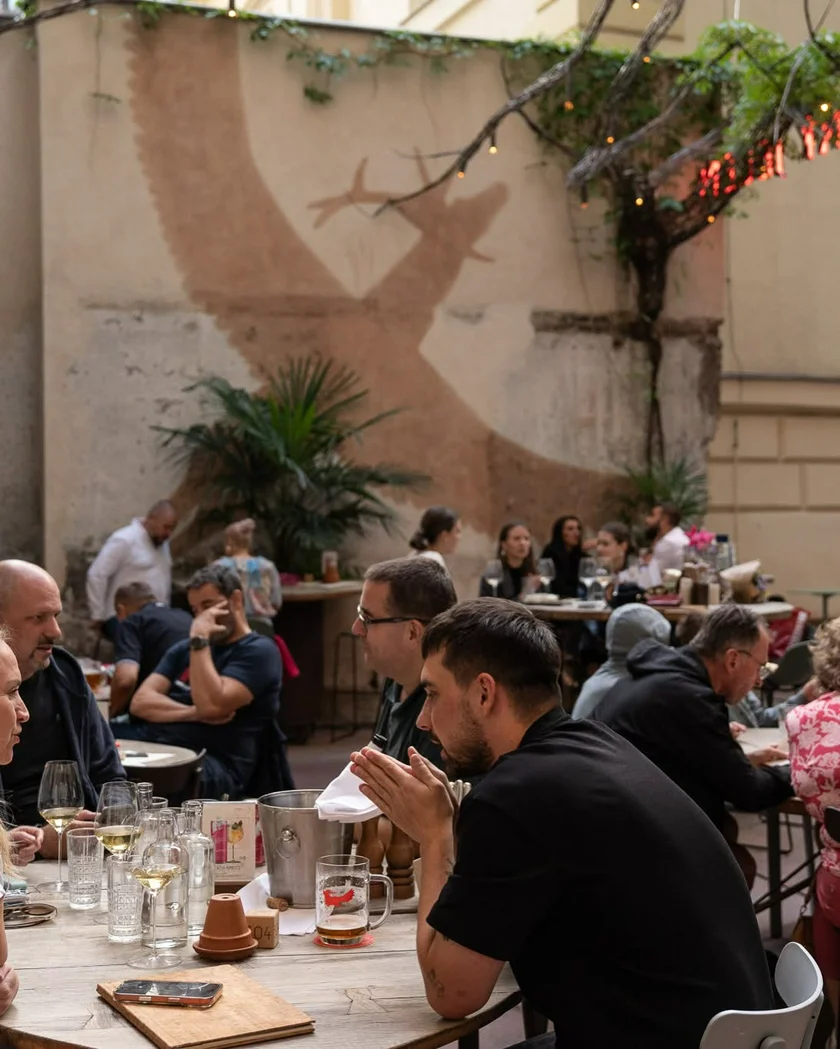


“Modern Czech restaurants are inheriting it,” he says, “and expanding it to people the pub never quite welcomed.”
This prediction could well change the way restaurants are designed and operated. Longer tables, communal spaces and dining rooms where guests are encouraged to linger rather than finish their meals quickly are becoming part of the modern Czech restaurant model.
Czech restaurants can do more than modernize what’s on a plate. They can preserve one of the most important functions of Czech dining culture while reshaping it for a broader audience.
Jiří Panuška Executive CMO, Červený Jelen“As public life fragments, restaurants will become one of the few places where strangers still share a table."
Prague does not need to become Copenhagen
The strongest Czech restaurants are no longer treating international recognition as something that requires an imported identity. Moravian wine is used in pairings because it belongs with the food rather than as an act of patriotism. Regional restaurants are developing beyond Prague. Czech chefs are working abroad, carrying with them a culinary culture once reduced internationally to beer and fried cheese.
Panuška does not believe Czechia should pursue the label of global foodie capital at any cost.
“The opportunity isn't to become the next Copenhagen,” he elaborates. “It's to become the first version of Prague.”
A dining scene built primarily for visitors can detach itself from the people who live around it. Czech gastronomy has an advantage because dishes such as svíčková, knedlíky and guláš remain part of ordinary life. They are not historical performances revived solely for tourists.
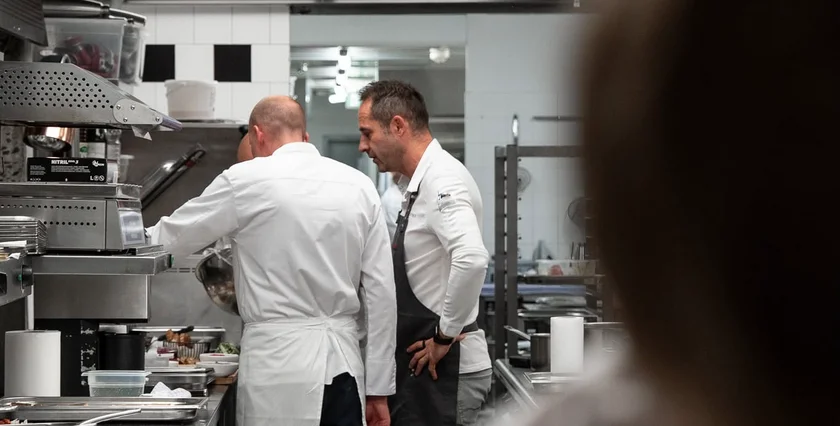
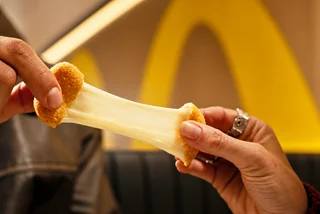
Fichtner is particularly frustrated that fried cheese has become shorthand for Czech cooking abroad.
“For me, it’s a shame that fried cheese has become one of the highlights of Czech cuisine,” he says. “As a chef, I think our cuisine has much more to offer.”
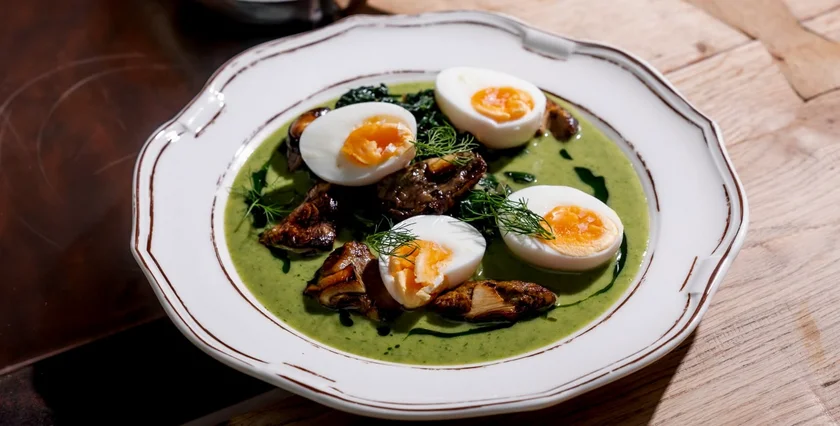
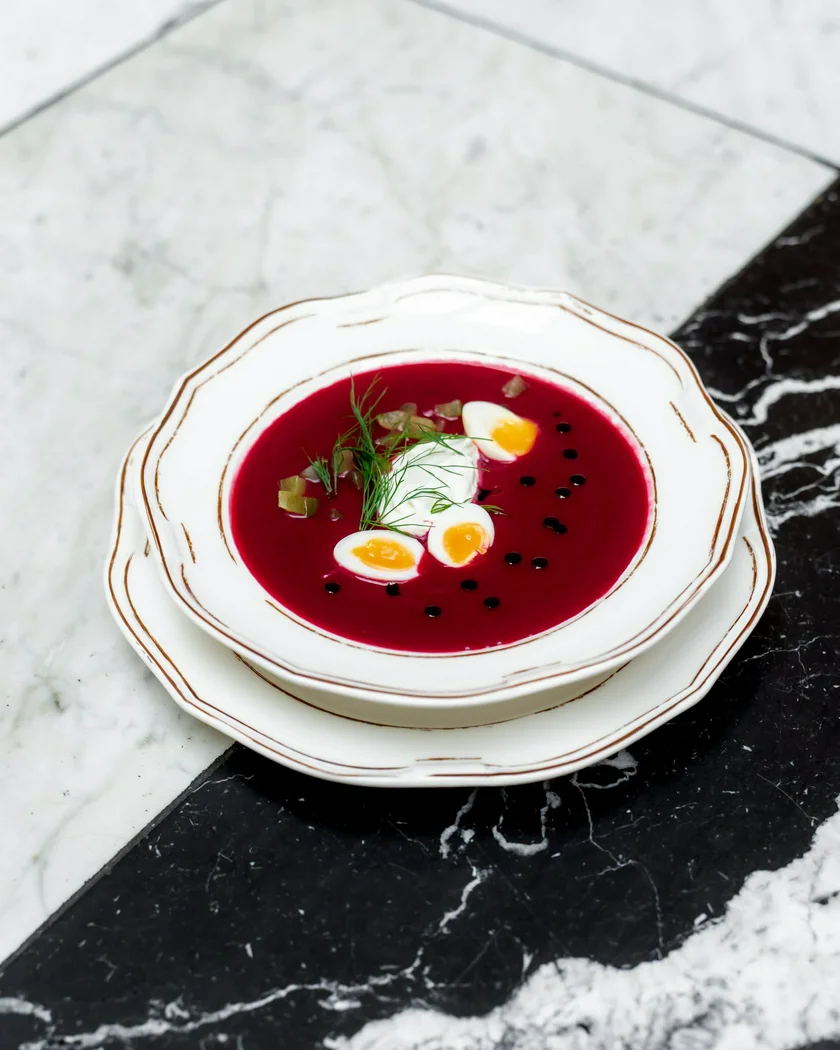
You won’t find smažák on his menus, but he also would not necessarily replace it with a single signature dish. His point is not to nominate another edible mascot; a properly made kulajda, dill sauce with egg or svíčková can each make the case when prepared with fresh ingredients and care.
His colleague agrees. “Czech food stopped being the safe, nostalgic option and became the interesting one,” Panuška adds. He believes that within five years, visitors asking for Prague’s best dinner will increasingly be directed toward Czech restaurants rather than French bistros or Italian trattorias.
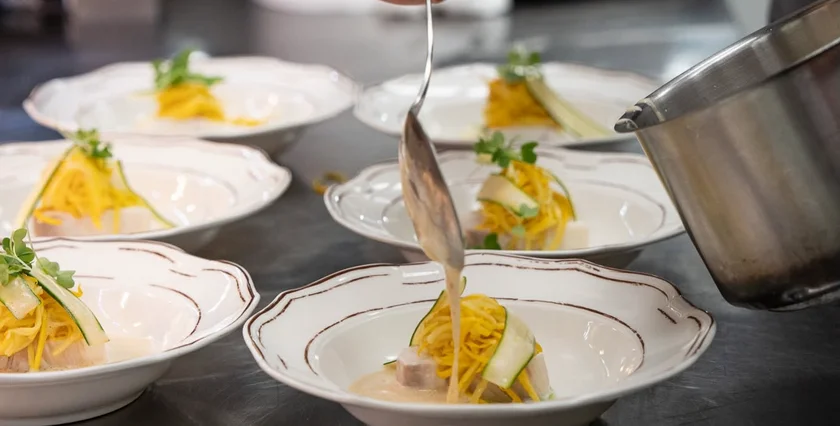
The cuisine’s next chapter will be written through hundreds of decisions that rarely look revolutionary: buying from a nearby producer, giving vegetables the same attention as meat, improving service, reducing waste and cooking a familiar sauce properly.
“The future of Czech gastronomy won't be set by policy or imported trends,” Panuška concludes. “It'll be shaped by the people opening the doors every morning, especially the ones who believe Czech food deserves to be cooked seriously, and cook it that way.”