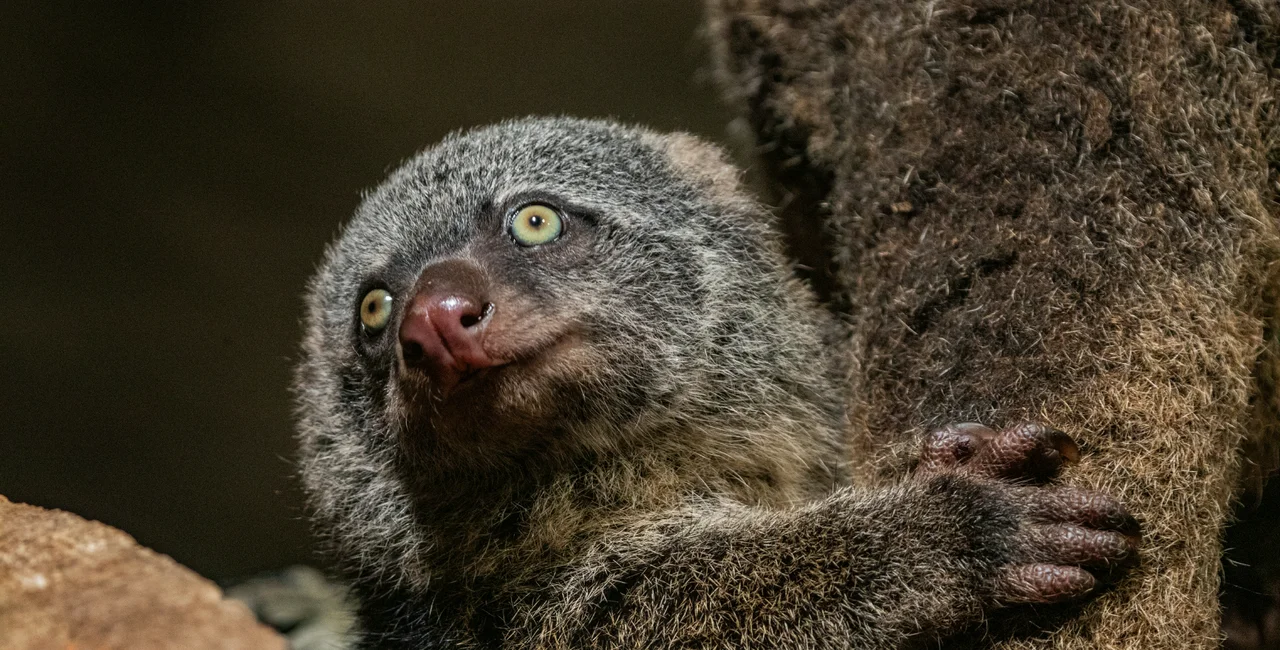
The first clue was a small movement inside the mother’s pouch. Now Ústí nad Labem Zoo has confirmed the birth of a bear cuscus, marking a significant breeding success for one of the rarest marsupials kept in zoos.
The youngster is only the second born in a European zoo in the past 12 months, the zoo announced Thursday. Its sex is not yet known.
PARTNER ARTICLE
According to figures from the international ZIMS animal database cited by the zoo, just 13 bear cuscuses are kept in zoological collections worldwide, six of them in Europe. Those numbers refer to animals in zoos, rather than the species’ total population in the wild.
Keepers spot signs of a new arrival
Bear cuscuses come from tropical forests on Indonesia’s Sulawesi island and nearby islands. Their wild population is declining, making the birth an important addition to the small population maintained by zoos.
Keepers observed the pair mating in late June. Subtle movements in the female’s pouch later suggested that a youngster was developing inside.
Like other marsupials, bear cuscuses give birth to very underdeveloped young, which continue growing in the pouch. Keepers obtained a clear view of the baby while the mother was cleaning it.
Ústí Zoo has kept the species since 2017. Acquiring a breeding pair from Berlin’s Tierpark at the end of 2024 was an important step toward the new arrival, staff said.
The zoo currently holds Europe’s only female of the species, making confirmation that she can reproduce particularly significant for future breeding efforts.
A winter menu takes 200 kilograms of leaves
Caring for bear cuscuses requires extensive preparation, especially when it comes to food.
Leaves form the main part of their diet. During summer, keepers provide fresh foliage daily; for winter, they freeze supplies in advance.
A pair needs approximately 200 kilograms of leaves to get through the colder months.
Volunteers and students help prepare those stocks, giving them a share in the breeding achievement alongside the zoo team, chief zoologist Petra Padalíková said.
With so few animals in European collections, finding a suitable breeding partner requires close cooperation between institutions.
Zoo director Ilona Pšenková described the birth and confirmation of the female’s fertility as an important opportunity, while emphasizing that successfully raising the youngster remains the next challenge.
“The new arrival and confirmation of her fertility mean a great deal,” she said. “It is also a major responsibility.”
For now, the zoo is celebrating a promising beginning: a rarely bred marsupial whose presence first became apparent through a movement in its mother’s pouch.