





 Reading time: 2 minutes

 Summary for: Young Czechs are buying antiques again, from vintage glass to Art Deco furniture
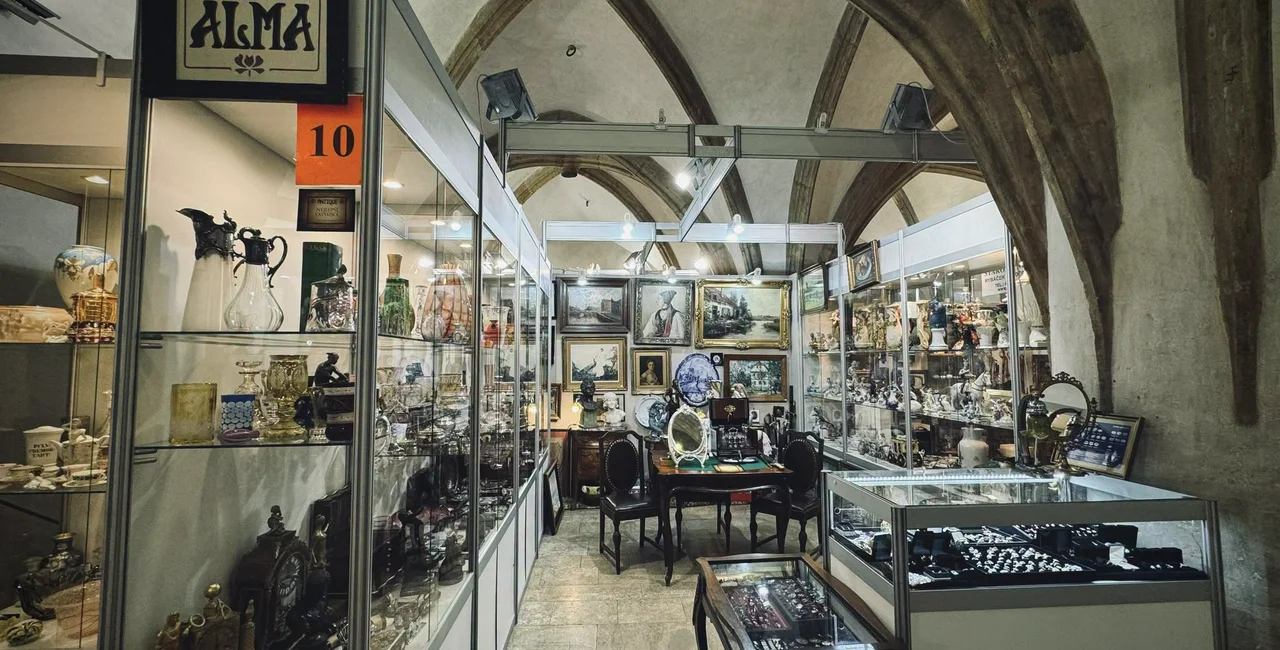
Young buyers are bringing fresh interest to Czech antiques, choosing vintage furniture, jewelry, glassware, and porcelain for their homes, according to the Czech Association of Antique Dealers.
Millennials and Generation Z are increasingly looking for objects they feel a personal connection with, association vice president Simona Šustková told ČTK at the opening of Prague’s autumn Antique fair Thursday.
PARTNER ARTICLE

She described the shift as a marked contrast with the preceding generation and said the trend was visible across Europe.
The fair, spread across several floors of New Town Hall, opens to the public Friday, Nov. 27, and runs through Sunday, Nov. 29. Thursday’s opening was intended for collectors and specialists.
Personal connections drive purchases
Šustková said younger customers want an object to speak to them, whether it is a piece of jewelry or furniture.
Works from the 1930s and 1940s are particularly popular, while some buyers are drawn to Art Nouveau and historicist styles.
“They might buy one standalone piece and then add to it,” she said.
Old drinking glasses, porcelain tea sets, and complete dinner services are also attracting buyers, partly because prices are not especially high, she added.
Some customers are building small collections of porcelain figurines. According to Šustková, renewed demand has ended a period of stagnation in the porcelain and glass market, with sales now growing modestly.
Interest extends beyond shopping. The association’s Rudolfinská akademie, which has offered antiques education for 30 years, has seen applications significantly exceed available places for a second consecutive year.

Many applicants for its two-year course were born around 2000, Šustková said.
Craftsmanship matters more than metal prices
Despite political uncertainty and fluctuations in precious-metal prices, Šustková said antique prices had not broadly increased.

Dealers value antique jewelry for its craftsmanship, stones, age, and individuality, rather than simply the amount of gold or silver it contains.
“We are selling craftsmanship,” she said, emphasizing that a particular antique jewel may be unique on the market.
The ability to compare items internationally also influences prices. An Art Nouveau necklace, for example, can command a similar price in Prague and New York, she said.
She nevertheless favors individual, in-person sales over online auctions because buyers can examine the object before purchasing.
Fine art remains more dependent on national markets. With some notable exceptions, works of Czech origin primarily appeal to Czech buyers, including when they appear at auctions abroad.
For visitors to this weekend’s fair, the renewed interest means antiques are increasingly being sought as objects to live with—glasses to use, furniture to furnish a room, or jewelry with a personal appeal—alongside their traditional role as collectors’ pieces.