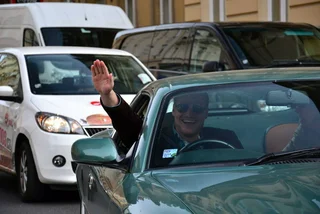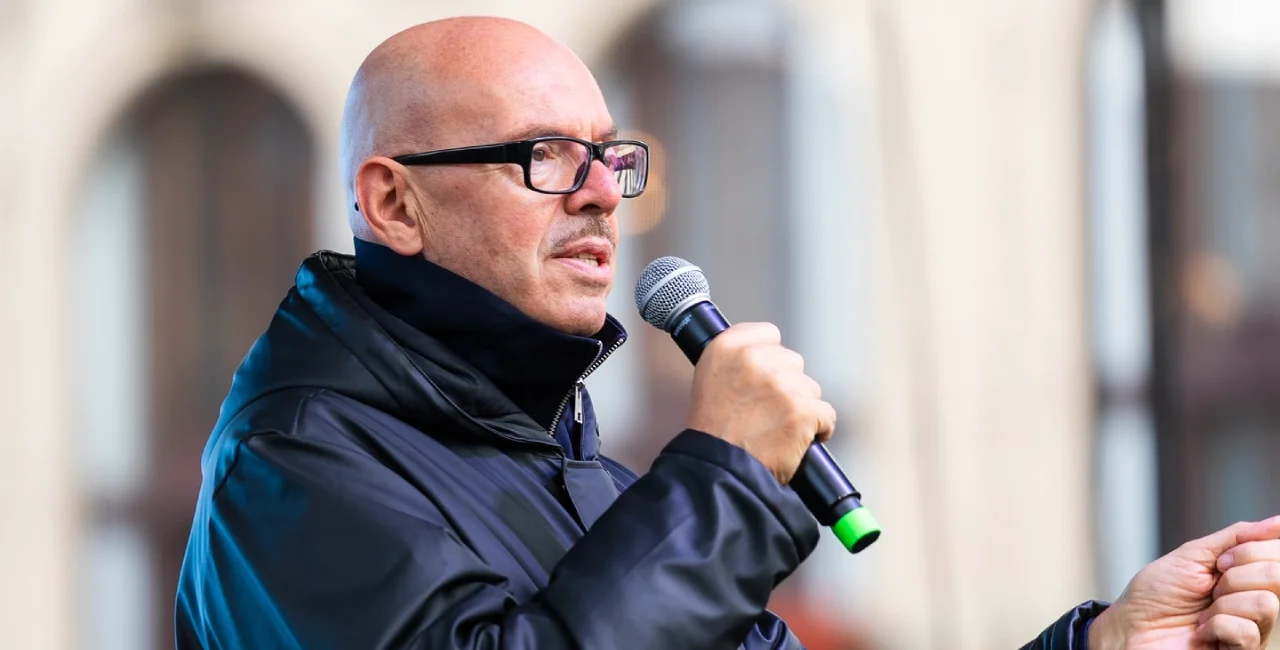
Nearly 500 Czech artists have signed an open letter urging President Petr Pavel and likely next Prime Minister Andrej Babiš not to appoint a Motorists party representative, specifically musician Oto Klempíř, as the next culture minister. The letter cites concerns over political control of artistic production and the independence of cultural institutions.
The appeal highlights potential implications for the country’s cultural policies and institutional governance. A new minister with different priorities could influence funding for theaters, galleries, museums, and film productions, affecting the resources and opportunities available for both established and emerging artists across the nation.
Concerns over political influence
The signatories argue that the Motorists party opposes reforms to improve working conditions in the arts and has expressed distrust in independent expert commissions that oversee cultural grants.
“A culture minister should safeguard the independence and diversity of artistic production, not undermine it,” the letter reads. Among the signatories are visual artists, filmmakers, writers, curators, and teachers from major art colleges, including Miloš Vojtěchovský, Eva Koťátková, and Hana Nováková.
Klempíř was formerly best known as the frontman of the popular Czech funk-rock band JAR, which he left after 35 years in 2025 as he embarked on his political career. His recent solo rap songs were noted for their vulgar lyrics and cynical worldview.
The Ministry of Culture is the central government body overseeing art, cultural education, preservation of monuments, media, copyright enforcement, and religious affairs. It supervises libraries, museums, and the specialized Heritage Inspection authority, and manages funding for cultural institutions and creative projects.
Decisions made by the minister can shape national cultural priorities, from public arts funding to support for live performances and cinema. If appointed, Klempíř could shift the ministry’s strategic direction, including decisions on grants, salaries, and infrastructure projects for cultural institutions.
Critics warn that a minister aligned with the Motorists party might deprioritize support for independent artistic projects, limit funding transparency, or interfere with established selection procedures for cultural programs.
Potential impact on Czech culture
Changes at the ministry could affect cultural programming in Prague and other major cities, including exhibitions, performances, festivals, and educational workshops. These shifts may influence access to cultural events, professional opportunities for foreign artists, and the diversity of programming available to the public.
The letter has not yet prompted an official response from President Pavel or the ANO movement, which is expected to form the next government. The Motorists party has previously indicated Klempíř as a potential candidate, but no formal nomination has been made. Observers note that the cabinet formation process may take weeks.
Czechia’s concern over political influence in culture reflects broader European debates on government involvement in arts funding and independence. Similar discussions have arisen in neighboring countries where political appointments have affected grants, media oversight, and museum leadership.
Artists and advocacy groups plan to continue monitoring the cabinet formation and may engage in public campaigns if a Motorists party minister is confirmed. Stakeholders recommend that leaders ensure the new minister upholds the independence, diversity, and strategic priorities outlined in the State Cultural Policy 2026–2030.