If social media had existed in 1986, Czechoslovakia’s official response to the Chornobyl disaster might have read something like: “The radiation situation remains normal.”
In reality, the truth emerged slowly. While Sweden and Finland quickly alerted the world to the explosion at the Chornobyl nuclear power plant, the worst nuclear accident in history, Czechoslovak citizens were left uninformed as the state downplayed the incident and dismissed early reports as Western propaganda.
Even as radioactive fallout spread across Europe, life continued as usual, including May Day celebrations in Prague.
That experience left a long institutional shadow. Four decades later, the instinct toward reassurance has taken a different form: transparency. One of its most visible voices was Dana Drábová, head of Czech nuclear safety and widely known as the “Atom Lady.”
After Russia’s full-scale invasion of Ukraine in 2022, Drábová began posting near-daily updates on radiation levels, largely to address fears surrounding the Zaporizhzhia nuclear power plant, the largest in Europe, always signing off with, “The radiation situation in Ukraine remains normal.”
But on the morning of Oct. 6 last year, her final message said she was pausing daily communications and directed readers to official channels. She died later that same day.
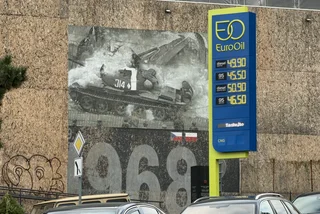
Czechoslovakia on April 26, 1986

Want to continue reading the rest of this article?
Unlock full access, or continue for free
Become a Member
- Read all member articles on Expats.cz
- Enjoy an ad-free reading experience
- Attend member-only community events
- Receive exclusive newsletters and offers
Interact with article
- Listen to audio versions of stories
- Customize alerts and save articles
- Catch up fast with quick summaries
Become a Member
Create a free account
- Read up to 3 member articles / month
Interact with article
- Customize alerts and save articles
- Catch up fast with quick summaries
Continue for free
Already a member? Sign-in now
Want to see more from us? Select Expats.cz as a
preferred source on Google.





 Reading time: 4 minutes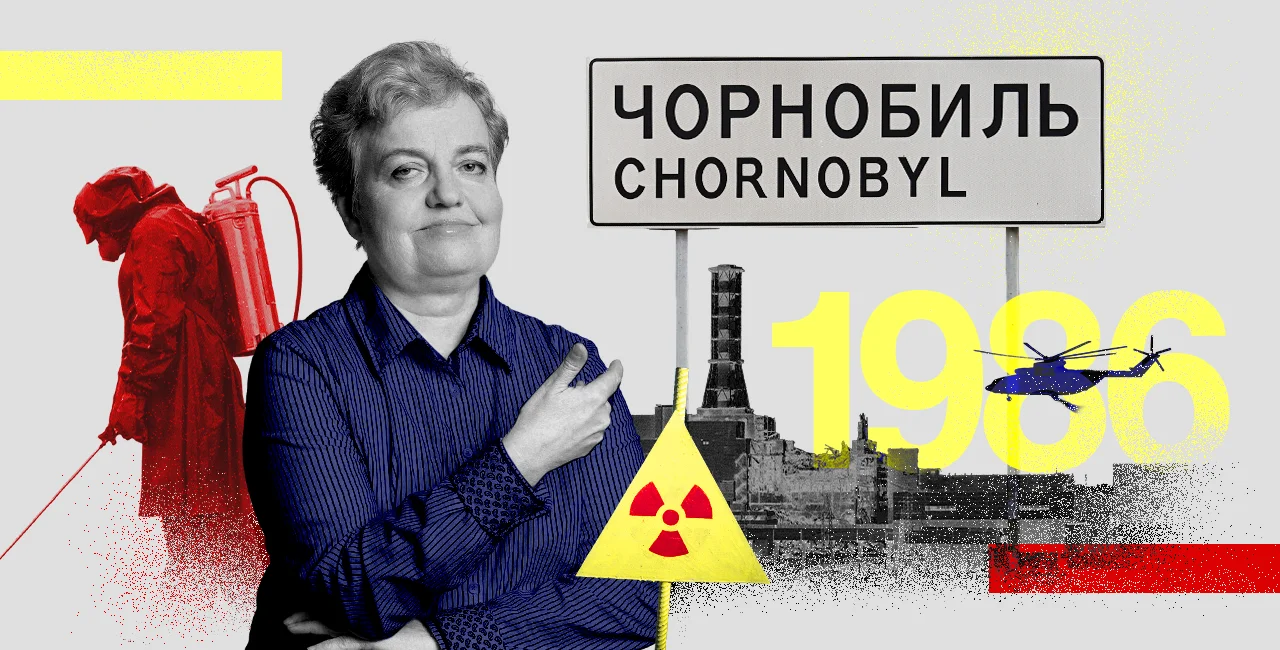

 Summary for: Czechoslovakia covered up Chornobyl. The Atom Lady made sure it never could again.