



 Reading time: 5 minutes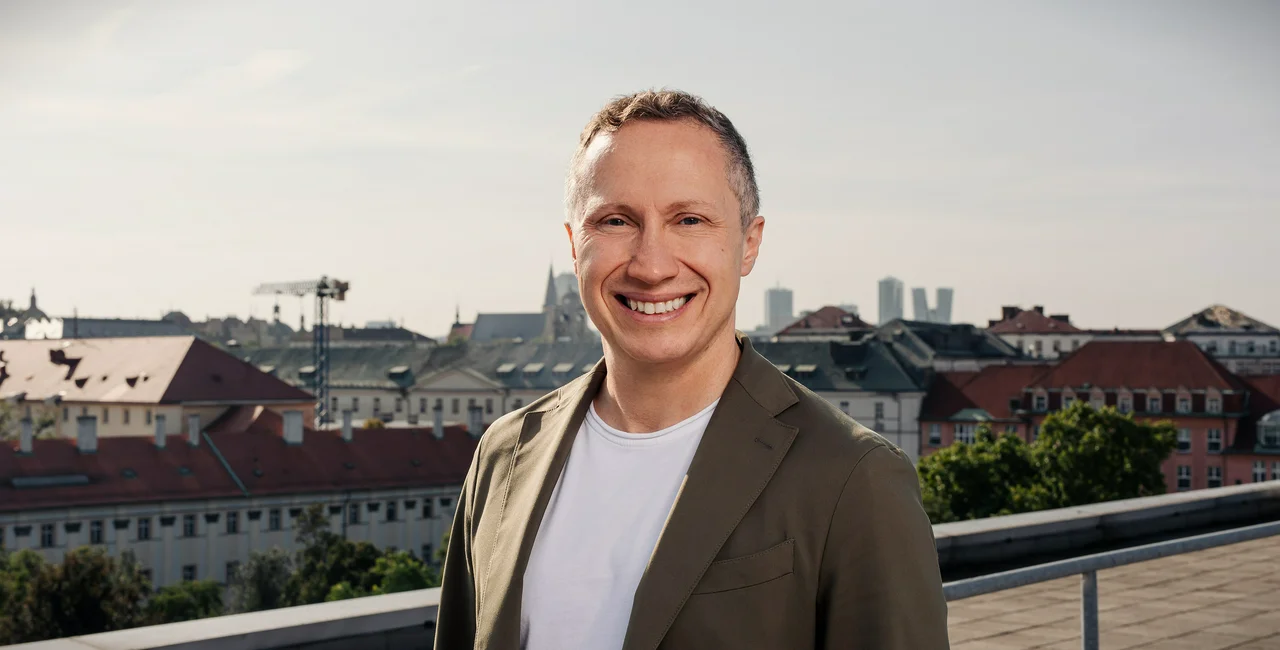

 Summary for: ‘Forget culture fit, build culture growth’: A global leader on how diversity fuels innovation
Having lived and worked in more than 10 countries, Fabio Costa views inclusion as a practice that begins with curiosity and grows through experience. “Inclusion isn’t just about making people feel welcome,” he explains. “It’s about enabling them to thrive.”
This lesson applies far beyond corporate strategy. In a world where more professionals are crossing borders and Czech workplaces are becoming increasingly international, inclusion is not just the business of HR—it’s the business of belonging.
When Costa took the stage at the Diversity, Equity & Inclusion Forum in Prague, hosted by OPIM as part of its Value-Based Leadership Journey, the room was filled with professionals discussing what inclusion looks like in practice. As the managing director for Czechia and Slovakia at Philip Morris, Costa brought a global perspective grounded in experience rather than theory.
Over the course of his career, he has lived and worked across four continents, including a ten-year stint at Samsung’s headquarters in Seoul. At the forum, Costa spoke candidly about what it means to lead through diversity, how culture shapes business success, and why belonging is not a soft concept but a strategic one. Here are the valuable insights he offers for anyone navigating global workplaces.
Curiosity is the first step toward connection
Costa grew up in a small town in northern Piedmont, surrounded by the peaks of Italy’s Gran Paradiso National Park. His home in the mountains offered him a level of personal freedom most kids can only dream about, one filled with daily adventures and plenty of time to explore. He also attributes much of his success to the influence of his father, “a jack of all trades,” who passed down a love for building and problem-solving.

“I spent a lot of time doing all types of manual work, which exposed me to new learnings all the time,” Costa tells Expats.cz. “I always enjoyed building things as well as going to the top of mountains. It was a great satisfaction to see ideas materialize and to reach your goals, e.g. the top of mountains.”
That mix of curiosity and persistence would carry him far from the Alps. After attending college in the U.S., Costa began his extensive international career, with each move demanding a new kind of adaptation.
Certain rituals are literally the opposite of what you think you know,” he says, recalling his decade in Korea. “For example, in the West, we look at each other with varying degrees of intensity when we drink together; in the East, we purposely do not share a gaze.”
Those cultural differences fascinated him. They also taught humility. Over time, his mindset toward both living abroad and leading teams became straightforward: “Just do it, just go and connect, and as many other things in life, repetition will help you get comfortable over time.”
Inclusion works when it’s built into strategy
When Costa joined Samsung’s global headquarters in Seoul, the company was shifting from a domestic manufacturing powerhouse into a global brand. Integrating international talent into a traditionally close-knit Korean culture was no easy task, but progress often began in small, determined teams.
“Organizations that truly embrace inclusion understand that diverse teams make better decisions, drive innovation, and reflect the complexity of the markets they serve,” he adds. He led a team of 150 people representing more than 30 nationalities and learned firsthand that diversity is not just a slogan, it’s a performance driver.
Progress, however, needed structure. “We had to go top down,” he said of the company’s efforts to bring more women into leadership. “The culture of the company was to constantly benchmark itself against the best in class.”
The appointment of Samsung’s first female vice president in 2016 marked a turning point, demonstrating that measurable goals could translate values into tangible results.
“Companies that live it don’t treat it as a checkbox or a campaign; they embed it into leadership, strategy, and everyday culture,” he states. “The difference lies in accountability, Those who act on inclusion measure its impact and make it part of how they grow.”
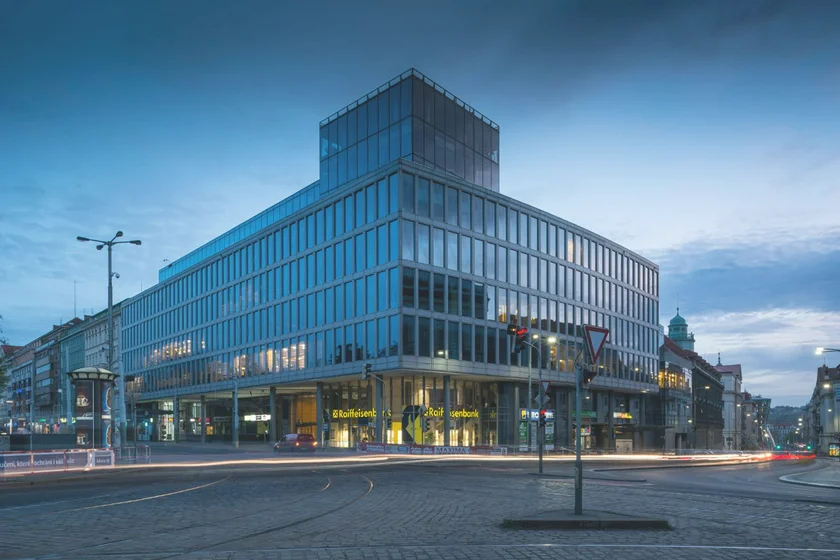
Costa believes that Czech companies, too, can benefit from that mindset as they attract more international employees. “Leaders need to actively foster environments where foreign employees feel seen, heard, and valued,” he explains. “That means going beyond language support by investing in cultural onboarding, mentorship, and inclusive leadership training.”
Hire for impact, not similarity
Years of working across continents changed Costa’s perspective on what makes teams succeed, leading him to focus on sustainable diversity. He explains that hiring only people who “look, think, act, or believe what you look, think, act, or believe” limits creativity and growth.
Instead, managers should look for individuals with relevant experience who can adapt to the environment while bringing something new. He likens this process to a delicate balance.
When you move people around and you are hiring a diverse set of skills, you need to minimize the chance of rejection,” he said. “The best way to go about it is to find someone who can fit on the surface but can trigger deeper changes later.”
As Czech workplaces become more international, Costa’s insight resonates. “Culture fit” may sound comforting, but too much sameness stifles innovation. Companies that learn to welcome difference will find it’s not just a moral decision, but a competitive advantage.
Belonging turns values into action
For Costa, inclusion only works when people feel like they belong. “You need a support network when things get tough,” he says. “Not necessarily to support you in the true sense of the word, but to give you some sort of comfortable space where you can be a self that you are familiar with.”
That kind of connection sustains both individuals and organizations. “You have to hire a sort of minimum viable number of people that will constitute a group with some resilience,” he said. “Their strength as a group will allow change management.”
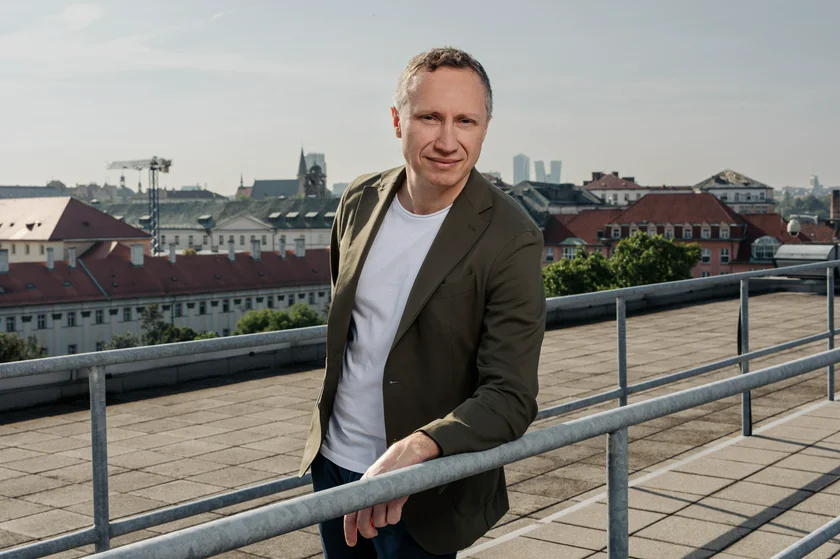
Allyship, he added, is built on empathy and shared responsibility, with simple principles like the golden rule: don’t do to others what you don’t want done to you.
Costa’s experiences offer a simple truth: diversity drives progress only when people feel seen, supported, and part of something larger than themselves. “Inclusion is not about being politically correct,” he emphasizes. “It’s about creating the conditions for people to perform, connect, and stay.”