 Reading time: 2 minutes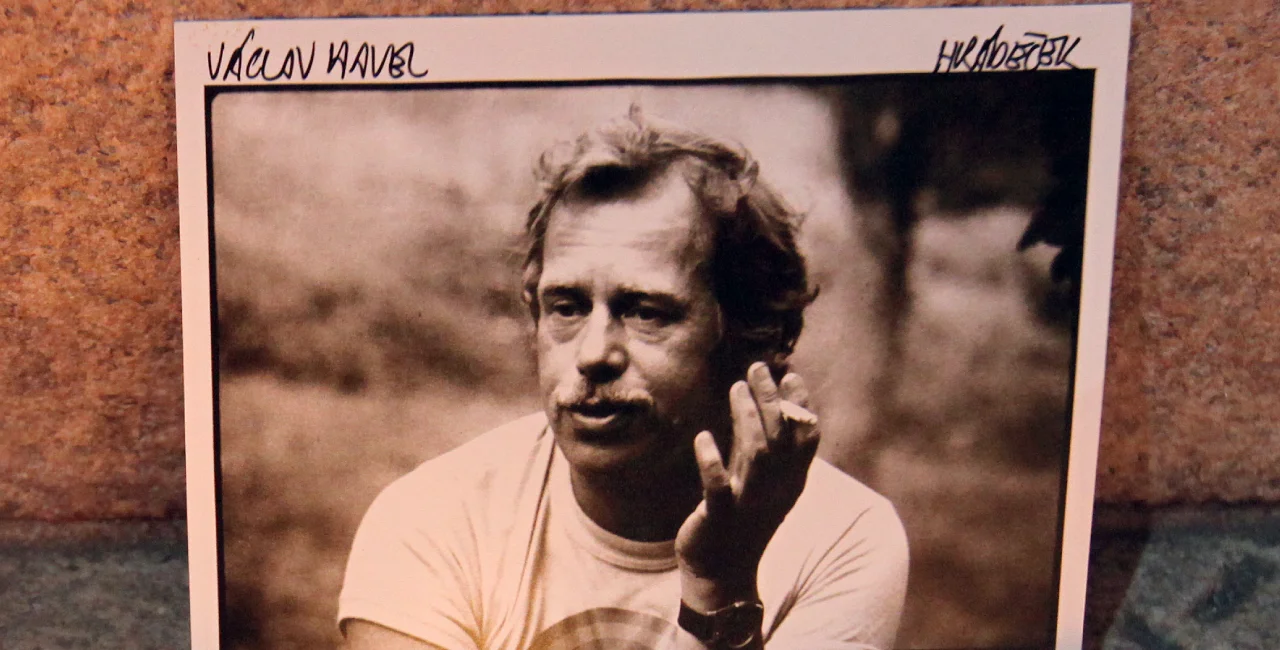

 Summary for: Long-lost Havel play returns to stage ahead of Czech president’s 90th birthday
A long-hidden play by former Czech president and dissident playwright Václav Havel has been brought to the stage for the first time, giving audiences a new look at the work of one of the country’s most influential cultural figures ahead of the 90th anniversary of his birth.
The unfinished play, Lilac, premiered last Thursday at Festival Off Avignon in France as part of a commemorative program honoring Havel’s legacy. The manuscript had remained unknown for nearly four decades before being discovered among the estate of writer and Charter 77 signatory Zdeněk Urbánek.
For local audiences, the discovery offers a rare addition to Havel’s theatrical legacy, which helped define his career as a writer, human rights advocate, and later president of the Czech Republic.
A forgotten work brought back to life
Havel (1936–2011) reportedly referred to the unfinished one-act play as Warning in his notes. The text was completed for the stage by playwright, actor, and director Jiří Havelka, who added roughly 20 percent of the final version.
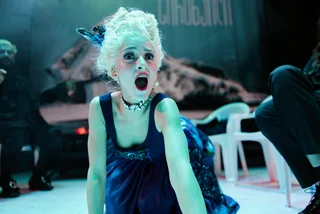
The Avignon presentation took the form of a staged reading by former students of the 73rd class of the French theatre school ENSATT, which carried Havel’s name between 2011 and 2014 in recognition of his contribution to theatre and public life.

The production was directed by French theatre maker Frédéric Poty and translated into French by Kátia Hala, who has previously worked on translations of Havel’s writings.
The play features Havel’s well-known character Ferdinand Vaněk, an alter ego of the author who appeared in several of his works.

According to the Czech Centre in Paris, the story presents a dialogue between a secret police officer and a dissident writer, continuing themes of power, surveillance, and resistance that ran throughout Havel’s writing.
New Václav Havel Prize awarded
The Avignon event also marked the first presentation of the international Václav Havel Prize, created to recognize artists whose work reflects courage, social responsibility, and engagement with contemporary issues.
The first recipient was Ukrainian actor and playwright Viktor Kyrylov, whose play Now I Write Only in French explores the impact of Russia’s invasion of Ukraine on his artistic life and personal identity.
An international jury led by National Theatre director Jan Burian selected Kyrylov from five finalists, including Brazilian director Christiane Jatahy, Palestinian poet and playwright Hind Joudah, French writer Édouard Louis, and French-Iranian journalist Delphine Minoui.
Burian said the finalists represented a wide range of voices addressing difficult global issues. He added that Havel, who used theatre and writing to challenge political oppression, would have appreciated the courage shown by the selected artists.

Kyrylov said Havel’s example demonstrated that art could serve a larger purpose and that even small theatres could become places where societies challenge injustice.
The staging of the long-lost play at Festival Off Avignon forms part of year-long commemorations marking 90 years since Havel’s birth that will culminate in October.