Lidl, Albert and Biedronka owners eye Tesco’s Czech stores amid EU exit

Three major retail groups are reportedly considering bids for Tesco’s Czech and Slovak operations as the British chain retreats from overseas markets.

Expats.cz Staff

Written by Expats.cz Staff Published on 27.09.2026 10:45:00 (updated on 27.09.2026) Reading time: 2 minutes

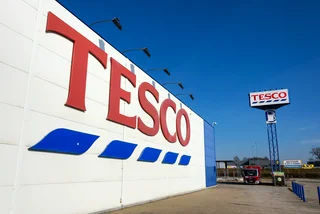
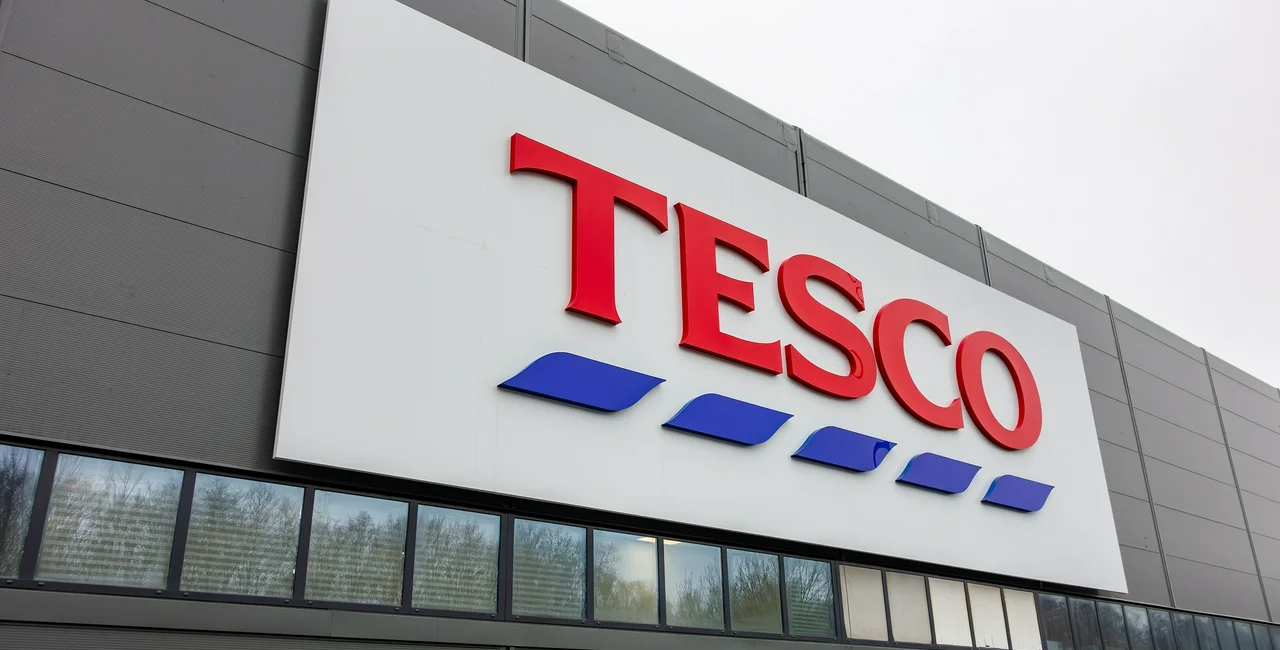
The owners of Lidl, Albert and Biedronka are preparing potential bids for Tesco’s Czech and Slovak stores as the British supermarket chain considers leaving continental Europe, according to the Financial Times.

Germany’s Schwarz Group, which owns both Lidl and Kaufland, is expected to submit an offer for the operations, sources familiar with the process told the newspaper.

Dutch retail group Ahold Delhaize, the owner of Albert, and Portuguese-owned Polish discount chain Biedronka are also reportedly considering bids. All three groups already operate stores in Czechia.

Tesco has not confirmed that a sale will take place. The company previously said it does not comment on “rumors or speculation,” while Schwarz Group and Ahold Delhaize declined to comment to the Financial Times.

Tesco weighs end to 30-year expansion

Tesco entered the Central European market in Hungary in 1995 and subsequently expanded into Czechia and Slovakia.

The regional business is now its last significant foreign operation outside the United Kingdom and Ireland. A sale would effectively end Tesco’s three-decade effort to build a global retail empire.

The Czech and Slovak operations are expected to be sold separately from the Hungarian division, according to earlier reports. Potential buyers were reportedly asked to submit initial offers by the end of September.

Tesco operates a combined 561 stores across Czechia, Slovakia and Hungary. Its European division generated revenue of GBP 4.5 billion, or about CZK 130 billion, last year.

However, the business contributed only GBP 115 million, approximately CZK 3.3 billion, to the group’s adjusted operating profit of GBP 3.2 billion.

Tesco has faced growing pressure from discount chains including Lidl and Aldi, along with changing shopping habits that have affected large hypermarkets outside city centers.

The company recently reported declining profit in its Eastern European business because of stronger competition in Slovakia and increasing regulatory pressure. It also wrote down the value of its regional stores by GBP 75 million.

Potential buyers already expanding in Czechia

A takeover could further consolidate the Czech grocery market around a small number of large international groups.

Schwarz Group already has an extensive Czech presence through Lidl and Kaufland, while Ahold Delhaize operates the Albert supermarket and hypermarket chain. Biedronka, Poland’s largest discount retailer, has also entered the Czech market as part of its regional expansion.

Any transaction involving one of Tesco’s largest competitors would likely be examined by competition authorities before it could be completed.

Tesco has been selling overseas businesses since an accounting scandal in 2014 prompted a strategic retreat from international markets.

It sold South Korean chain Homeplus for GBP 4.2 billion in 2015 and its operations in Thailand and Malaysia for GBP 8 billion in 2020. Its former international network also included stores in China, Turkey, Poland and the United States.

Proceeds from a Central European sale could give Tesco additional resources to lower prices and invest in stores in Britain, where it faces strong competition from both traditional chains and discounters.

For Czech shoppers, no immediate changes have been announced. Until Tesco confirms a deal and a buyer clears any required regulatory reviews, its stores will continue operating under the existing brand.

Did you like this article?

Czechia’s latest news

Read all the headlines
Want to see more from us? Select Expats.cz as a preferred source on Google.