



 Reading time: 3 minutes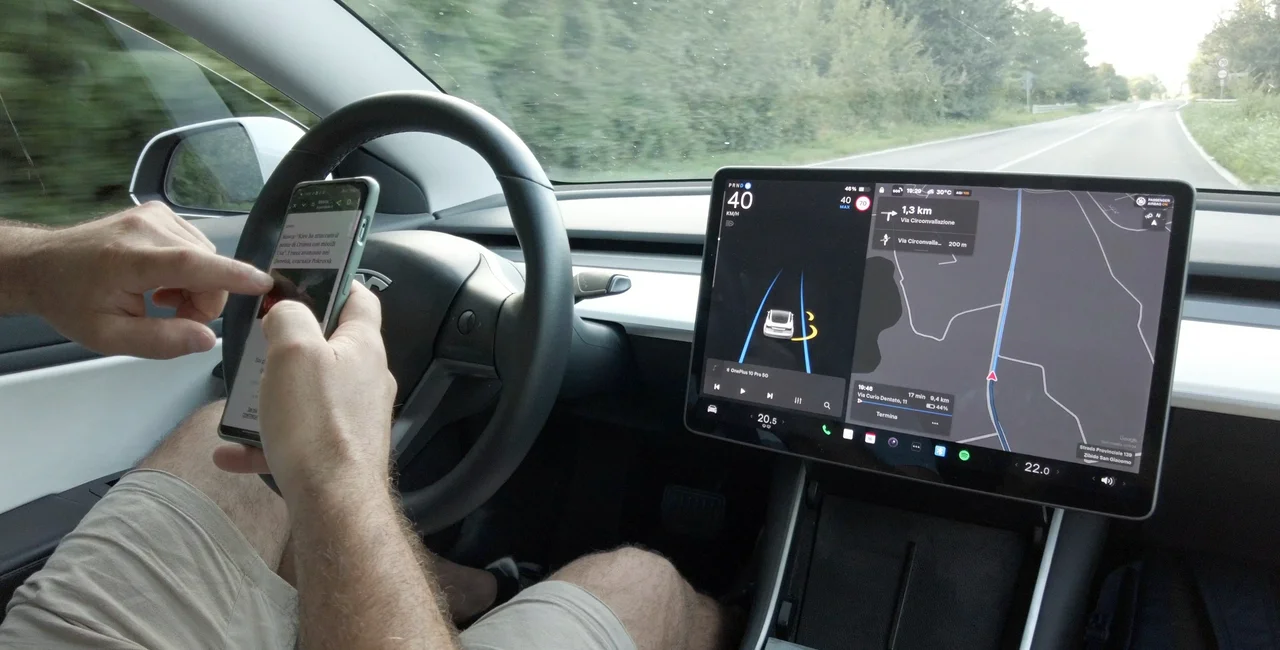

 Summary for: Self-driving Teslas get green light in Czechia, but drivers warned to stay alert
Tesla owners can now legally use the company’s most advanced driving-assistance system on Czech roads after the Transport Ministry recognized its provisional European approval.
Full Self-Driving Supervised, better known as FSD Supervised, can steer, accelerate, brake, change lanes and navigate intersections. Despite its name, however, the technology does not turn a Tesla into a fully autonomous car.

Drivers must continuously watch the road, monitor the vehicle’s behavior and be ready to take control immediately. They also remain legally responsible for the car throughout the journey.
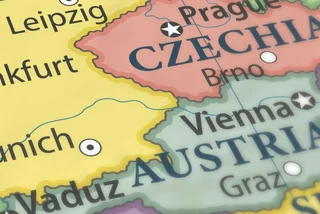
Czechia becomes the seventh European country to permit the system, joining the Netherlands, Belgium, Denmark, Estonia, Lithuania and Slovenia.
What Tesla drivers can now use
FSD Supervised has appeared as a paid option for the Tesla Model 3 and Model Y in the Czech online configurator. It is available through a monthly subscription costing CZK 2,400.
The system works primarily through software, using the cameras and other equipment already fitted to compatible Tesla vehicles. It combines visual information, mapping, existing assistance features and artificial intelligence to navigate roads under driver supervision.
🇨🇿 AsistenÄnà systém Tesla FSD Supervised bude možné za stanovených podmÃnek použÃvat také v ÄŒesku. Uznali jsme prozatÃmnà schválenà nizozemského úřadu RDW. PÅ™ipojujeme se tak k Nizozemsku a dalÅ¡Ãm pÄ›ti evropským státům.
— Ministerstvo dopravy (@min_dopravy) September 21, 2026
Tomuto kroku pÅ™edcházely mÄ›sÃce odborného posuzovánà a… pic.twitter.com/83nAqA0UVI
During demonstration drives around Prague earlier this year, the system reportedly handled multilane intersections, roads without painted lane markings and pedestrians standing near the roadside. It generally drove cautiously, remained near the center of its lane and stayed at or below posted speed limits.

Tesla says vehicles using FSD Supervised can travel almost anywhere under active driver oversight. The company reports that cars equipped with the system have covered more than 23 billion kilometers worldwide, including around 1.8 million kilometers in Europe.
The Czech Transport Ministry spent several months examining operational and technical information, consulting domestic and European institutions and meeting representatives of Tesla Europe.

Officials focused on how the system observes speed limits, interprets road signs, reacts to changing traffic conditions and checks whether the driver is paying attention.
“The information and data currently available convinced us to follow the example of the Netherlands, Belgium, Denmark and other countries and make the system accessible to interested users,” Transport Minister Ivan Bednárik said.
The Czech decision recognizes provisional approval granted by Dutch vehicle authority RDW in April under EU rules. The ministry said it also supports the creation of harmonized regulations for using the technology across the bloc.
Not a license to stop paying attention
Under the Society of Automotive Engineers’ five-level scale, FSD Supervised is classified as Level 2, or partial driving automation.

That means the vehicle can control steering and speed simultaneously, but responsibility never transfers away from the person behind the wheel. Drivers cannot legally watch a movie, use their phone or otherwise stop monitoring traffic while the system is active.
This differs from Level 3 automation, under which a vehicle can assume responsibility for driving in narrowly defined conditions. Czech legislation has allowed approved Level 3 systems on designated roads since January.
With Level 3 technology, a driver may take their hands off the wheel and divert their attention under permitted conditions, although they must be able to resume control within 10 seconds when instructed. Liability may also shift toward the manufacturer while the automated mode is active.
Tesla’s system does not qualify for those rules. Despite the “Full Self-Driving” branding, it remains an assistance feature for which the driver is fully accountable.
Some European states have also remained cautious. French authorities previously raised concerns about speed-limit compliance and whether the system adequately ensures that drivers remain attentive, while Finnish officials have also approached its approval skeptically.

For Czech Tesla owners, the new approval offers a more automated journey, but not an opportunity to become a passenger in their own car.