 Reading time: 2 minutes

 Summary for: Art on prescription: Czechia explores a new approach to mental health
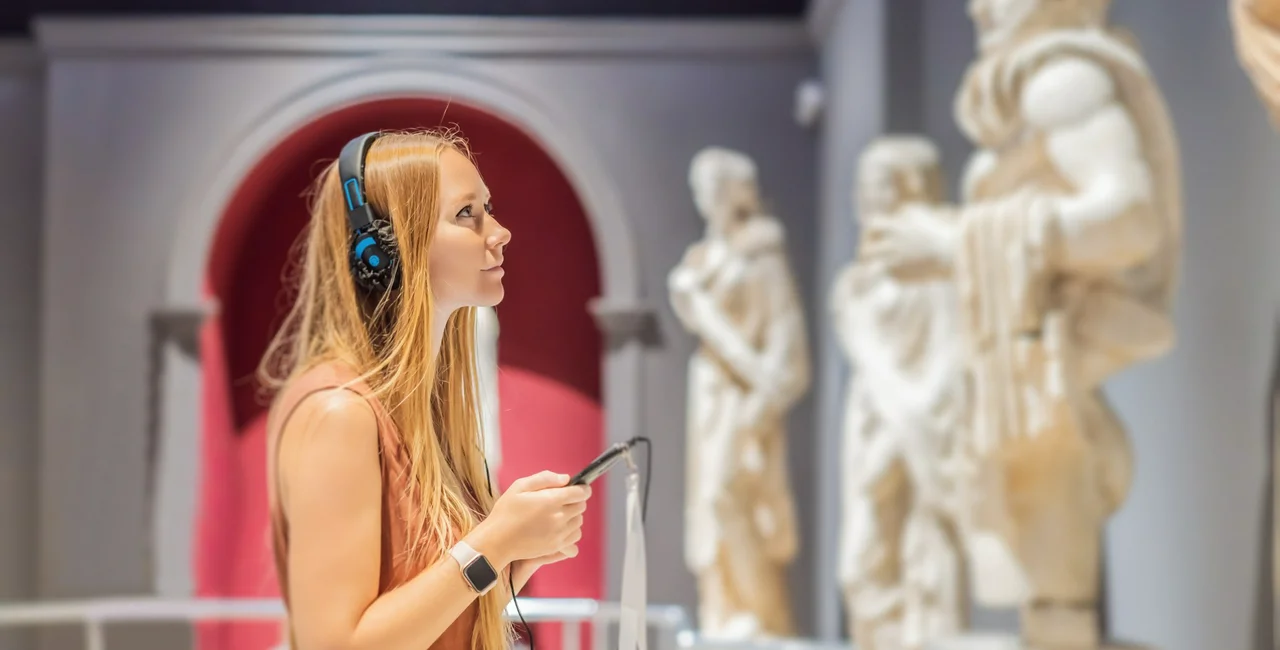
A visit to a museum or an afternoon spent painting could one day become part of a doctor's recommendations in Czechia. The country's National Institute of Mental Health is developing a nationwide initiative that would connect cultural experiences with mental health prevention and support.
The project, called the National Platform for Prevention through Culture, aims to make galleries, museums, libraries, and other cultural institutions part of a wider network supporting psychological wellbeing.
According to Czech Radio, the initiative draws inspiration from similar approaches in Denmark, France, and Switzerland, where cultural activities are already being incorporated into mental health programs.
How would cultural prescriptions work?
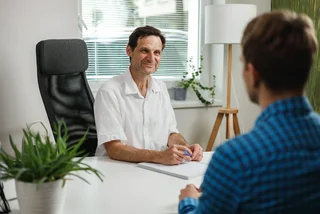
Rather than relying exclusively on traditional clinical settings, the proposed system would allow doctors, psychologists, and social workers to recommend cultural activities to people experiencing loneliness, anxiety, or depressive symptoms.
These could include regular gallery visits, painting workshops, singing in a choir, dance classes, or attending theatre performances.
The idea is not simply to encourage people to look at artwork. Researchers believe that actively participating in creative activities, connecting with others, and engaging with cultural experiences can help improve emotional wellbeing.
As explained by the National Institute of Mental Health, international research suggests that cultural participation can help reduce symptoms of anxiety and depression while strengthening social connections.
Importantly, these activities would complement professional treatment rather than replace medication or psychotherapy.


Czech galleries are already getting involved
Several cultural institutions are helping explore how the approach could work in practice.
The Benedikt Rejt Gallery in Louny is developing a year-long pilot program focused on how engagement with art can support mental wellbeing.
Its approach includes techniques similar to mindfulness, encouraging visitors to observe paintings slowly, pay attention to colours and details, and reflect on their experiences.
The Gallery of the Central Bohemian Region (GASK) in Kutná Hora is already using art-based activities to help visitors explore emotions and personal experiences.
Other institutions identified as participants include the Gočár Gallery in Pardubice, the Karlovy Vary Art Gallery, the Regional Museum in Olomouc, and Sladovna in Písek.

As Czech Radio reports, the Louny pilot is exploring ways to make cultural experiences more meaningful for participants through guided observation and group activities.
Could this become part of Czech healthcare?
The project is still in its early stages, and cultural prescriptions are not yet an established nationwide healthcare service.
The first step involves mapping existing cultural activities and developing an online platform that would help both professionals and the public find suitable programs.
Eventually, the network could connect healthcare providers with regional cultural centres, allowing specialists to recommend structured programs tailored to individual needs.
These might involve attending activities once or twice a week over approximately eight to ten weeks.

Researchers also plan to study how effective these programs are and whether they offer a cost-efficient way to support mental health.
The institute hopes to collaborate with Danish researchers on a wider European project in 2027, building on approaches already being tested elsewhere.
For people living in Czechia, the initiative could eventually offer another accessible way to support mental wellbeing while making greater use of the country's extensive cultural institutions.