



 Reading time: 3 minutes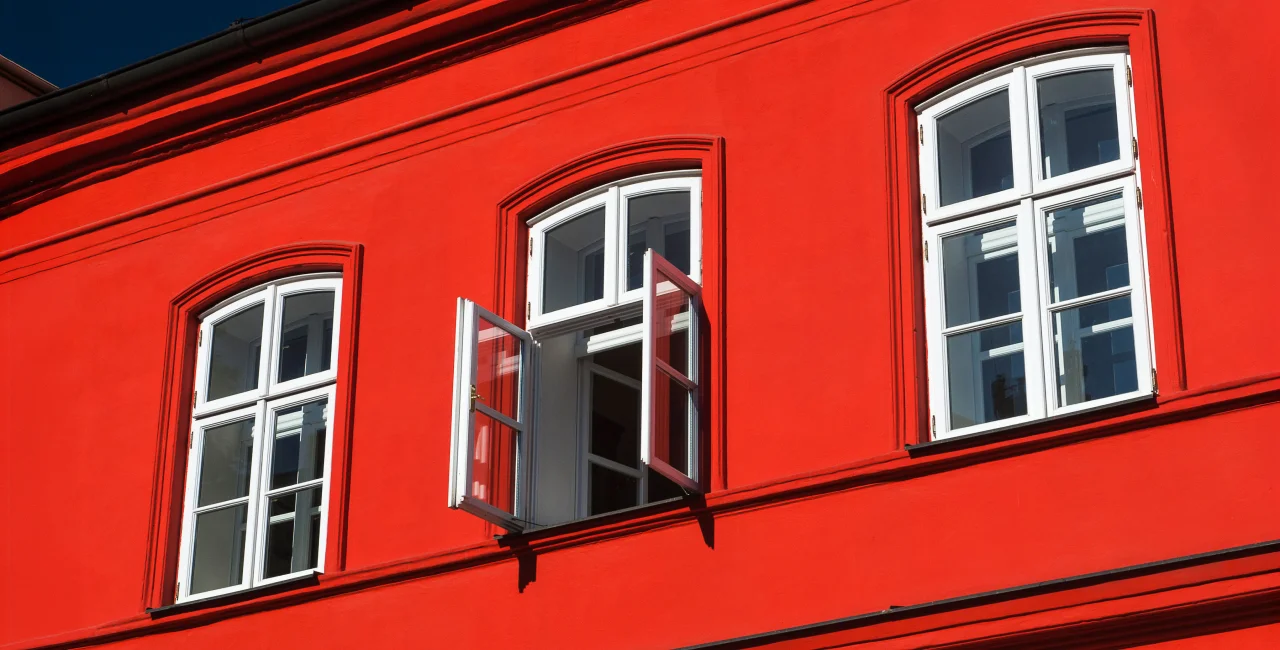

 Summary for: The internet calls it 'house burping' but Czechs call it normal: Do you větrat?
If you've ever cohabited with a Czech person, you have almost certainly argued over temperature control and, more specifically, about strategically opening windows for a short time to create a stream of wind called a průvan.
In English, we'd simply call it a "draft," a translation that doesn't exactly do the phenomenon justice. In Czech households, průvan isn't just moving air. It is a force to be reckoned with, whose virtues tend to be discussed at length, especially when visiting homes in the US or high-rise hotels with sealed windows.
Germans have their own version of this practice, called Stoßlüften (literally "impact ventilation"), that has recently been circulating on social media as a kind of revelatory wellness trend, complete with enthusiastic TikToks and the phrase "house burping."
Czech magazine Marianne noted the trend and pointed out that while Germans were discovering and systematizing the practice, Czechs have simply been doing it for generations.
Why and how is it done?
The viral ventilation moment is giving a surprising new meaning to a fairly ordinary ritual, writes Ivana Ashenbrenerová, of Marianne, who describes an apartment at the end of the day, having inhaled the aroma of dinner, absorbed the humidity from the bathroom, and where all the little smells and traces of everyday life have been deposited.
"That is until the moment fresh air rushes in, the curtains flutter slightly, and your home, figuratively speaking, 'burps' with immense relief," she writes.
In practice, burping your house simply means opening the windows really wide and, for a short time, creating an intense blast of air that quickly exchanges the air in the entire space. Long-term ventilation, on the other hand, is considered ineffective because heat escapes unnecessarily without a proper exchange of air.

The act of creating a draft has its own Czech word větrat (to air), while vyvětrat describes the completion. Ashenbrenerová notes that the phrase "Vyvětrej, je tu vydýcháno" (open the window, it's stale in here) has been heard in Czech households for generations.
Why has the trend taken off?
Perhaps in the US, where central HVAC systems are standard, and houses are designed to stay sealed, the practice is a revelation. But in older European apartments, poor ventilation (especially in winter) is one of the primary causes of mold, as warm, humid air hits cold exterior walls and condenses.
According to Marianne, German rental contracts sometimes formally require regular Stoßlüften as part of tenant obligations.
Many older apartment buildings allow for effective cross-ventilation through courtyard-facing windows (also historically for light and sanitation purposes).
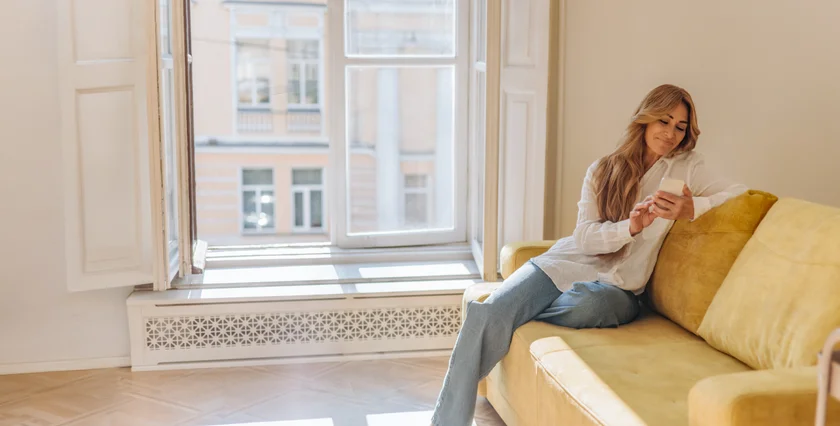
Radiators are positioned beneath windows in a configuration that is initially baffling to newcomers but entirely deliberate: when a window is opened briefly in winter, the rising warm air from the radiator prevents the room temperature from plummeting, while the cold fresh air displaces the humid indoor air.

In older apartments where air conditioning is still less common than in the United States, the ritual remains part of daily life year-round. In summer, many people in Czechia air out their apartments early in the morning or late in the evening, when temperatures are cooler.
During the hottest hours, windows and blinds are usually kept closed to keep heat out.
Does it work?
Studies on air quality in homes agree that if you leave the windows closed for too long, the air inside becomes “stale” surprisingly quickly. Levels of carbon dioxide, humidity, and other invisible pollutants begin to build up things you probably would not want collecting in your home.
Some studies also suggest there is an added bonus: regular ventilation may help reduce fatigue and improve sleep quality.


Ironically, the health-giving průvan is also something to be feared. The first time I heard the old wives’ tale that gusts of wind can cause stiff necks, earaches, and a general cascade of misfortune, I was doubtful. (This is, after all, a country where many people also believe sitting on cold cement as a teenager can jeopardize your future fertility.)
Yet the fear of drafts remains remarkably widespread, upheld not just by grandmothers but apparently by authority figures too, including, if my daughter is to be believed, eighth-grade teachers. In Czechia, fresh air is essential; right up until it tries to touch the back of your neck.