




 Reading time: 2 minutes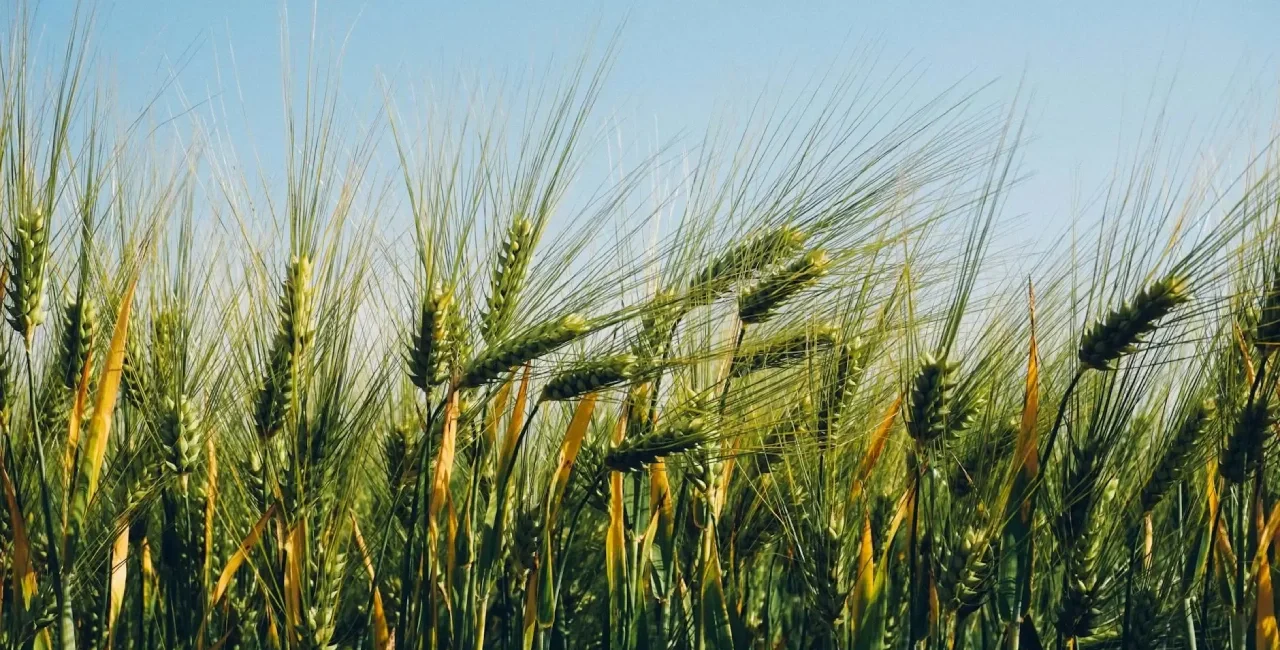

 Summary for: From field to pint: Live webcam follows Czech beer’s 280-day journey
A new live webcam project from Pilsner Urquell is giving beer fans in Czechia and abroad a rare behind-the-scenes look at how one of the country’s most iconic products is made.
The stream follows the full 280-day cycle of beer production, from barley sowing and hop cultivation to brewing and eventual pouring. The brewery says the project highlights how much of the process depends on nature and careful agricultural work.
At a time when consumers are increasingly interested in the origin of food and drink, the initiative aims to connect the final pint with the long agricultural journey behind it.
From field to brewery in real time
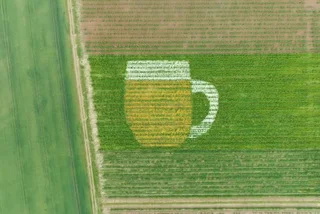
The project, launched by Pilsner Urquell together with farmers and hop growers, is hosted on the website jaksevaripivo.cz. It uses cameras placed in fields near Hradec Králové and hop gardens in the Žatec region to follow key stages of the growing season.
The stream runs continuously over 280 days, covering the full cycle from spring planting to autumn harvest and later brewery processing. According to the brewery, the goal is to show every major step in the production chain, including field work such as guiding hop plants onto trellis wires and monitoring crop growth.
“Beer cannot be rushed,” said emeritus brewmaster Václav Berka, noting that the process depends heavily on weather conditions and natural cycles.
In March, farmers began sowing malting barley, which forms the basis for brewing. Soil preparation, aeration, and moisture checks are essential before seeds are planted. This marks the starting point of the beer’s long journey to the glass.

In April, hop fields begin to green and growers start training young shoots onto support wires. Each plant requires careful handling as it grows rapidly and depends on stable conditions and sufficient moisture.
According to the project materials, a single hop plant can consume up to around 800 litres of water during a season, making weather conditions a crucial factor in determining yield and quality.
Weather shapes Czech beer production
The Czech Republic is one of the world’s largest hop producers, with thousands of hectares of hop fields contributing to both domestic brewing and exports. However, growers say production is increasingly affected by climate variability, including drought periods and stronger storms.

Farmers involved in the project note that maintaining healthy crops requires stable seasonal labour and consistent weather conditions, both of which have become more challenging in recent years.
Despite these pressures, Czech hop production remains a key part of the agricultural sector and a foundation for the country’s brewing tradition.

After the harvest, the process will continue into the brewery, where barley is malted and later used in brewing. Pilsner Urquell plans to extend the live coverage into the production facilities, including the brewhouse, bottling lines, and even selected pubs.
The brewery also highlights the wider economic importance of beer production in Czechia, which it says contributes tens of billions of crowns in tax revenue annually and supports tens of thousands of jobs across agriculture and industry. Follow the months-long journey of Czech beer live this year at the website of Pilsner Urquell.