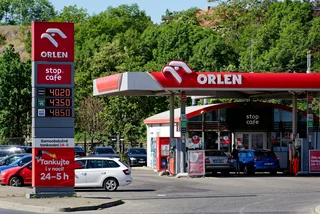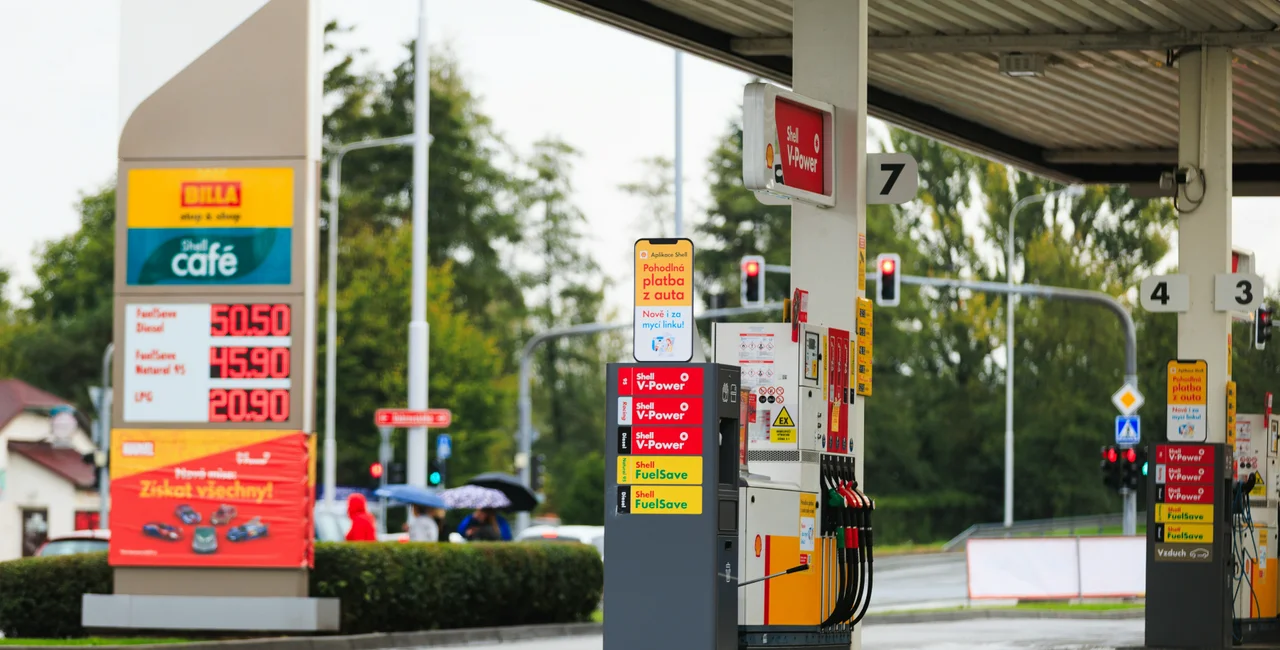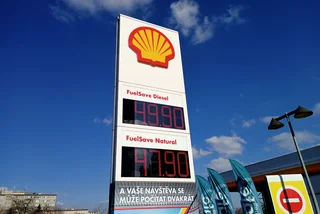
The Czech government has extended its measures against high fuel prices until the end of 2026, keeping daily price ceilings for petrol and diesel in place throughout December.
The package also maintains reduced excise duty on diesel and a maximum retailer margin of CZK 2.50 per liter, Finance Minister Alena Schillerová announced Monday.
PARTNER ARTICLE
The measures have been in force since Oct. 1. Originally intended to last one month, they were extended through November and will now continue until Dec. 31.
What the extension means for drivers
The Finance Ministry will continue setting maximum permitted prices for petrol and diesel each day, using market price averages and the regulated retailer margin.
The extension preserves the system rather than fixing pump prices at their current level. Daily ceilings can still rise or fall as the ministry updates them.
For Monday, Nov. 23, the maximum permitted price is CZK 44.53 per liter for diesel and CZK 39.47 per liter for petrol.
Both are below the ceilings set on the first day of regulation in October, when diesel was capped at CZK 48.72 and petrol at CZK 46.14 per liter. The limits have therefore fallen by CZK 4.19 and CZK 6.67 per liter, respectively.
The government is also retaining the lower diesel excise-duty rate of CZK 8.011 per liter, reduced from CZK 9.95. Petrol excise duty remains unchanged.
The quoted figures are legal price ceilings, rather than nationwide average pump prices.
Government cites inflation and neighboring countries
Schillerová said the government considered the intervention effective.
“The measure has proved its worth and has a strong anti-inflationary effect,” she said in a statement on X.
The Finance Ministry said it also reviewed neighboring countries’ approaches before recommending another extension. It cited continuing price regulation in Poland and Slovakia and preparations in Germany for legislation introducing a fuel price cap.
The Czech government first extended the package after prices failed to fall during October. Although fuel has gradually become cheaper during November, prices remain substantially above levels seen before the conflict in the Middle East, according to the government.
That conflict began after US and Israeli strikes on Iran in late February. Iran subsequently blocked the Strait of Hormuz, a key shipping route for oil and other commodities from the Persian Gulf.
The disruption has put pressure on fuel markets throughout the year. Monday’s decision keeps all three elements of the Czech response—daily price ceilings, the retailer-margin cap, and lower diesel excise duty—in place for another month.