Czech school canteens are not required to prepare meals for children with medically prescribed diets, and the Health Ministry wants that provision to remain optional under planned changes to school catering rules.
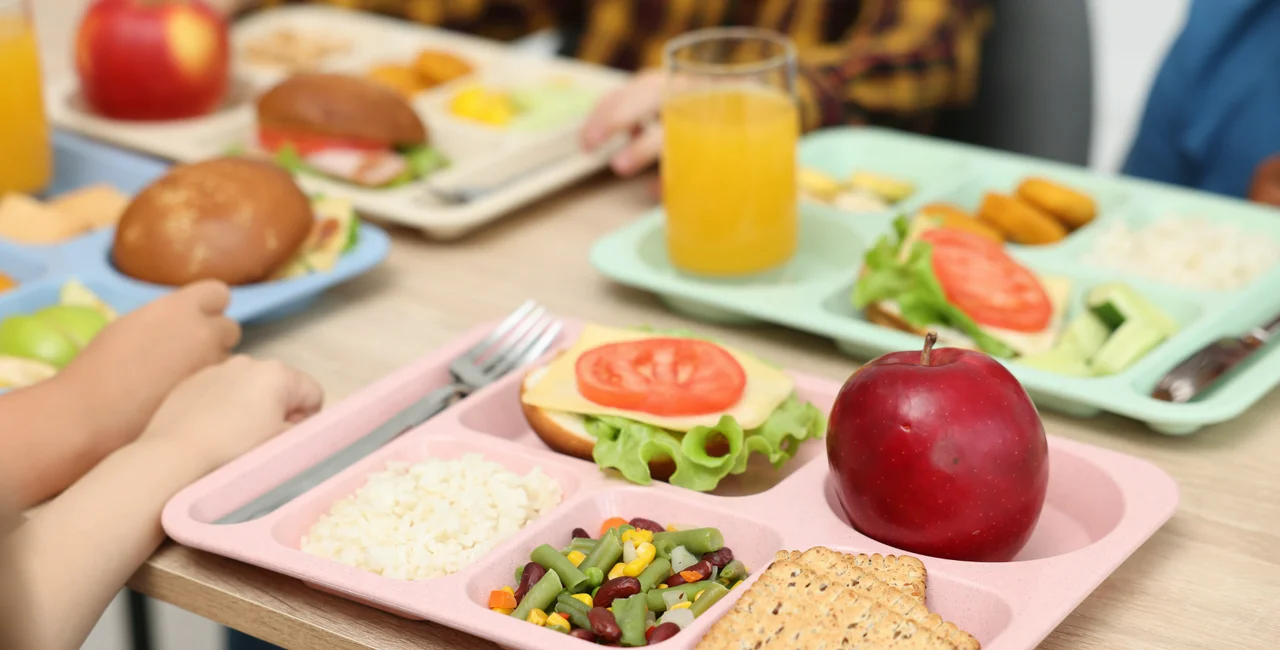
Deputy Chief Public Health Officer Matyáš Fošum told ČTK that the ministry would seek to preserve provisions allowing canteens to offer special meals, including gluten-free and lactose-free options, with a doctor’s confirmation.
The clarification comes as the Education and Health ministries prepare to revise school nutrition standards. The new nutritional framework, which was due to become compulsory from September, is instead set to become advisory.
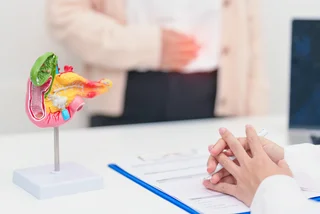
Medical diets remain optional
Fošum emphasized that medically necessary diets should be distinguished from personal food preferences.
“This isn’t just about what someone likes, but about what makes a child ill,” he said.
Where canteens provide medical diets, the ministry wants professional approval of recipes to remain part of the rules. Fošum said it would insist on retaining that safeguard in the revised decree.
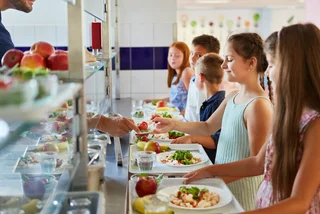
Czechia has almost 9,000 school catering facilities serving nearly two million children daily. According to a 2025 survey, approximately one-third of canteens provided meals adapted to medical diets.
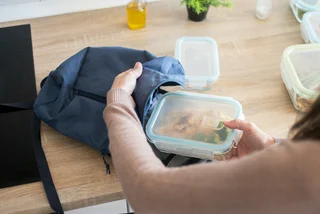
Canteens are also not obliged to cook vegetarian or vegan meals. Fošum said schools should work with parents to find suitable arrangements, such as allowing children to eat food brought from home.
Under current rules, he said, canteens must provide the necessary assistance for children to eat their own food alongside classmates. However, storing or reheating that food is optional.
A canteen can offer those services, he added, and guidance exists on doing so safely.
Nutrition standards face a broader rollback
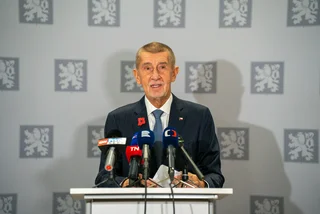
The planned changes follow instructions from Prime Minister Andrej Babiš, who has described removing compulsory standards as fulfilling an election promise not to dictate what school kitchens cook.
The Czech Food Chamber and producer associations, including potato and fruit growers, welcomed the move. Parent representatives and public-health initiatives have criticized it.
Fošum said food safety oversight would continue, including checks on storage, temperature controls, hygiene, and allergen handling.
He also said public-health legislation requires school meals to meet children’s nutritional needs. Authorities intend to continue assessing menus, monitoring salt and sugar content, commissioning laboratory analyses, and giving feedback to canteens and their operators.
Critics question whether recommendations will be sufficient. The director of the National Institute of Public Health, which helped prepare the nutritional framework, told ČTK she doubted canteens would follow standards that were only advisory.
In a statement, a nutrition research center at Charles University’s Third Faculty of Medicine stressed the importance of preventing illness from childhood, particularly in a country where it said 20 percent of adolescents experience overweight or obesity.