



 Reading time: 2 minutes

 Summary for: Prague museum opens puppet exhibition marking 10 years of UNESCO recognition
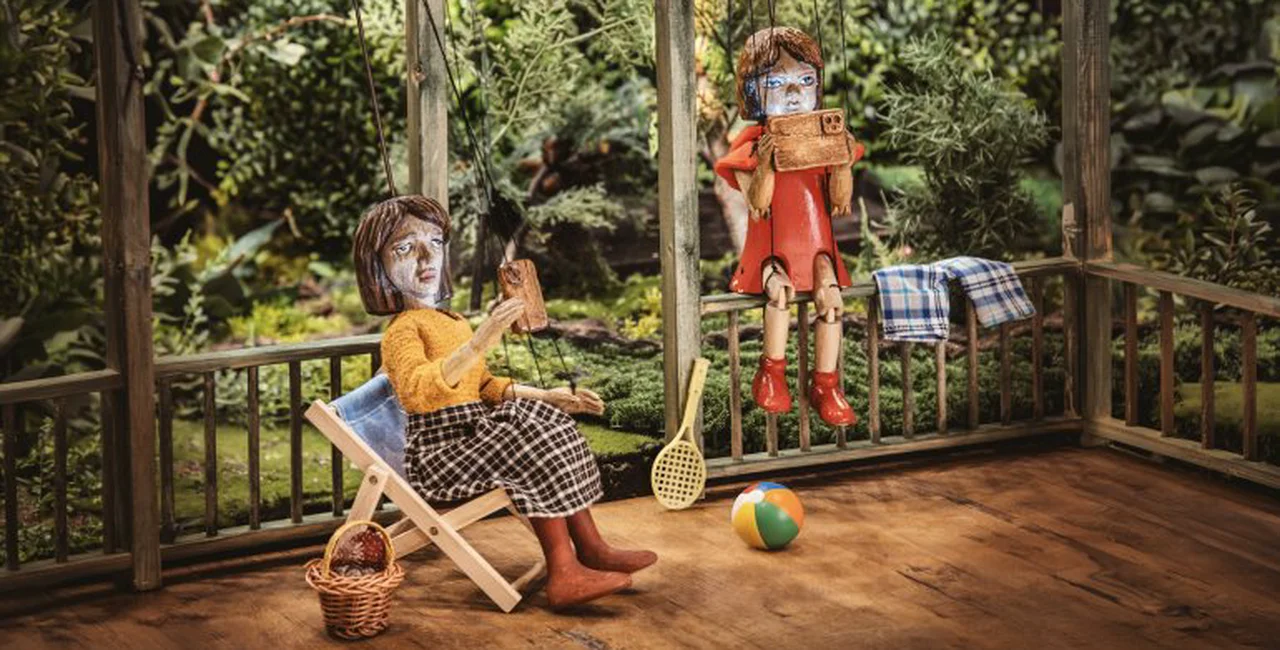
Puppets from The Hobbit, Faust, and productions by the Forman Brothers’ Theatre are among approximately 100 figures going on display at the Museum of Prague’s main building at Florenc.
Opening to the public Tuesday, Nov. 24, the exhibition Loutky—“Puppets”—explores Czech puppetry from the 1990s to the present, bringing together work from established theaters, contemporary artists, and film.
PARTNER ARTICLE

It marks the approaching 10th anniversary of Czech and Slovak puppetry’s inscription on UNESCO’s list of intangible cultural heritage.
The exhibition is scheduled to run until March 21, 2027. Museum director Ivo Macek said he would like it to continue at least until the end of the school year, though an extension has not been confirmed.
From the Hobbit to the football pitch
The exhibition’s foundation is a collection donated by Prague’s Minor Theatre, covering productions staged between 1987 and 2025.
Visitors can see puppets from Minor’s The Hobbit and Mammoth Hunters, alongside figures from Faust associated with designer Petr Matásek of Hradec Králové’s Drak Theatre.
Other exhibits include puppets created by artist František Skála and designer Robert Smolík for The Great Journey of Vlas and Brada.

Liberec’s Naive Theatre is represented by Ali Baba and the Forty Thieves, with puppets by Ivan Nesveda. The Forman Brothers’ Theatre contributes Klapzuba’s Eleven, while puppets from Petr Nikl’s film Requiem connect the display to cinema.
Plzeň’s Alfa Theatre and Kladno’s Lampion Theatre have also lent works.
The selection offers children and adults a chance to examine theatrical figures away from the stage and compare the different approaches used by Czech companies.

Puppetry beyond traditional marionettes
The exhibition also explores forms that move beyond recognizable human or animal figures.
Handa Gote’s contemporary production Misky uses objects rather than traditional marionettes, reflecting an approach known as object theater.

“The current trend is to give life to things that have been made,” curator Kateřina Dolenská said. She described a shift away from conventional anthropomorphic characters among contemporary practitioners.
Dolenská, who heads the Czech branch of the international puppetry association UNIMA, curated the exhibition. The museum organized it with UNIMA and the Czech Puppetry Centre.
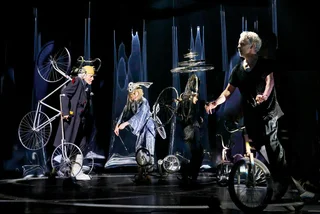
Last year, Minor donated 211 puppets and props to the museum. Items from that collection account for approximately half of the exhibition’s contents.
Czech puppetry continues through professional theaters, independent artists, and amateur companies. Festivals including Loutkářská Chrudim, Skupova Plzeň, and Ostrava’s Spectaculo Interesse provide regular platforms for their work.
Further visitor information is available on the museum’s exhibition page.