



 Reading time: 4 minutes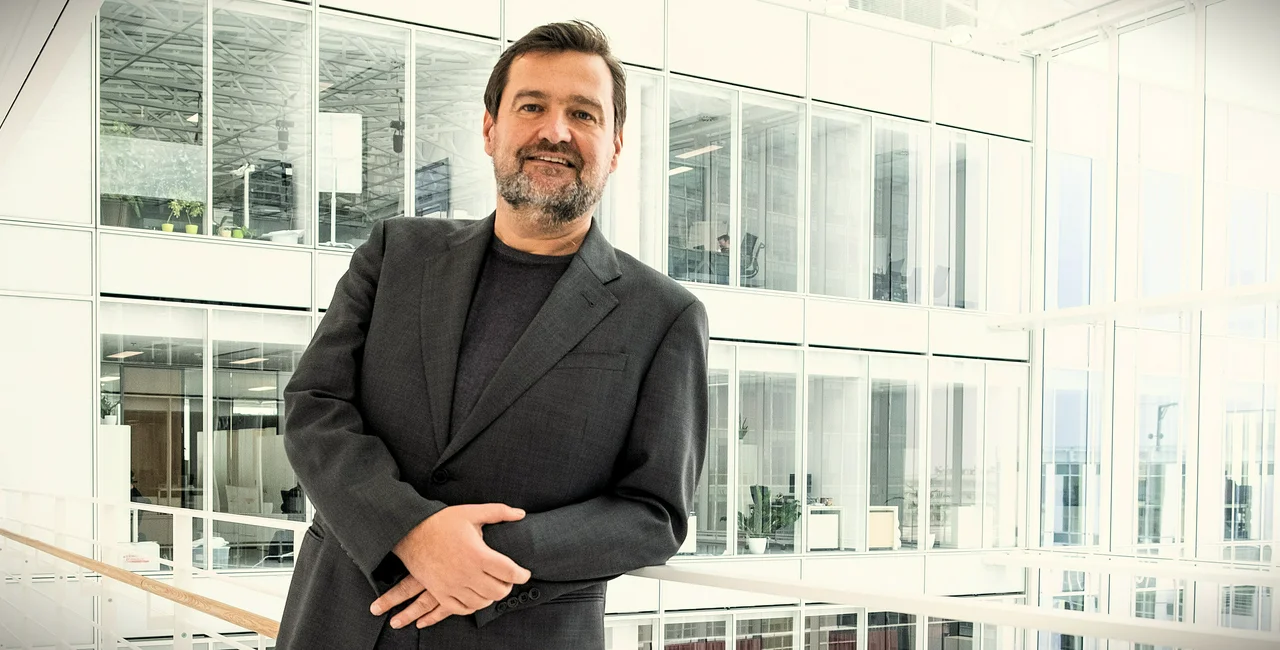

 Summary for: ‘Be seen as a person, not a symptom’: How a Prague clinic is turning premium healthcare into a personal experience
The moment that inspired Wolfram Schleuter to rethink modern healthcare didn’t happen in a hospital. It happened in an airport lounge.
Watching travelers schedule meetings and manage portfolios between flights, he wondered why the same precision never applied to personal health. “People will spend a lot of money to keep their car in order,” he tells Expats.cz, “but won't devote the same resources to the health and well-being of their families.”
That realization would eventually shape an entirely new model of healthcare in Prague—one that treats time, trust, and understanding as the true measures of quality. From this, Schleuter built Concierge Medicine Europe, for people who expect their healthcare to work as efficiently as their lives do, wherever those lives take them.
A medical home for expats that transcends borders
For many newcomers, navigating Czech healthcare can feel overwhelming, rushed, and challenging to access in English. Schleuter, an expat himself, built Concierge to eliminate these barriers.
Moving countries is already complex. Healthcare shouldn’t add to the chaos,” he emphasizes.
The idea evolved from personal frustration. Schleuter’s family had been longtime members of a respected Prague clinic, but every visit meant a new doctor. When they later lived in the United States, he experienced true concierge medicine, with a system built on trust, continuity, and doctors with smaller patient lists who truly knew their patients and their families.

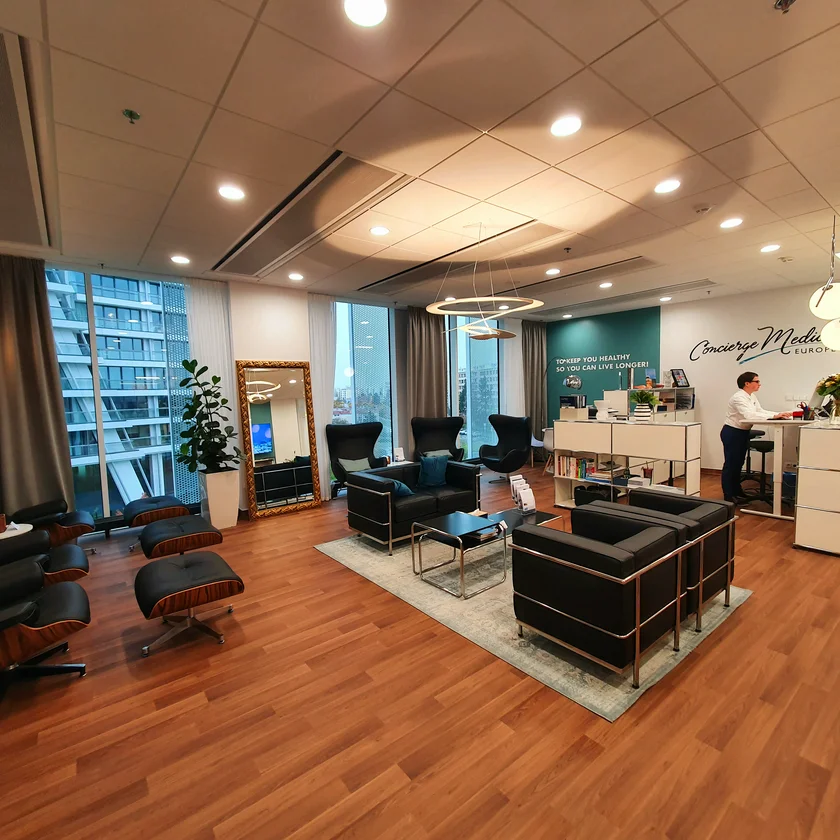
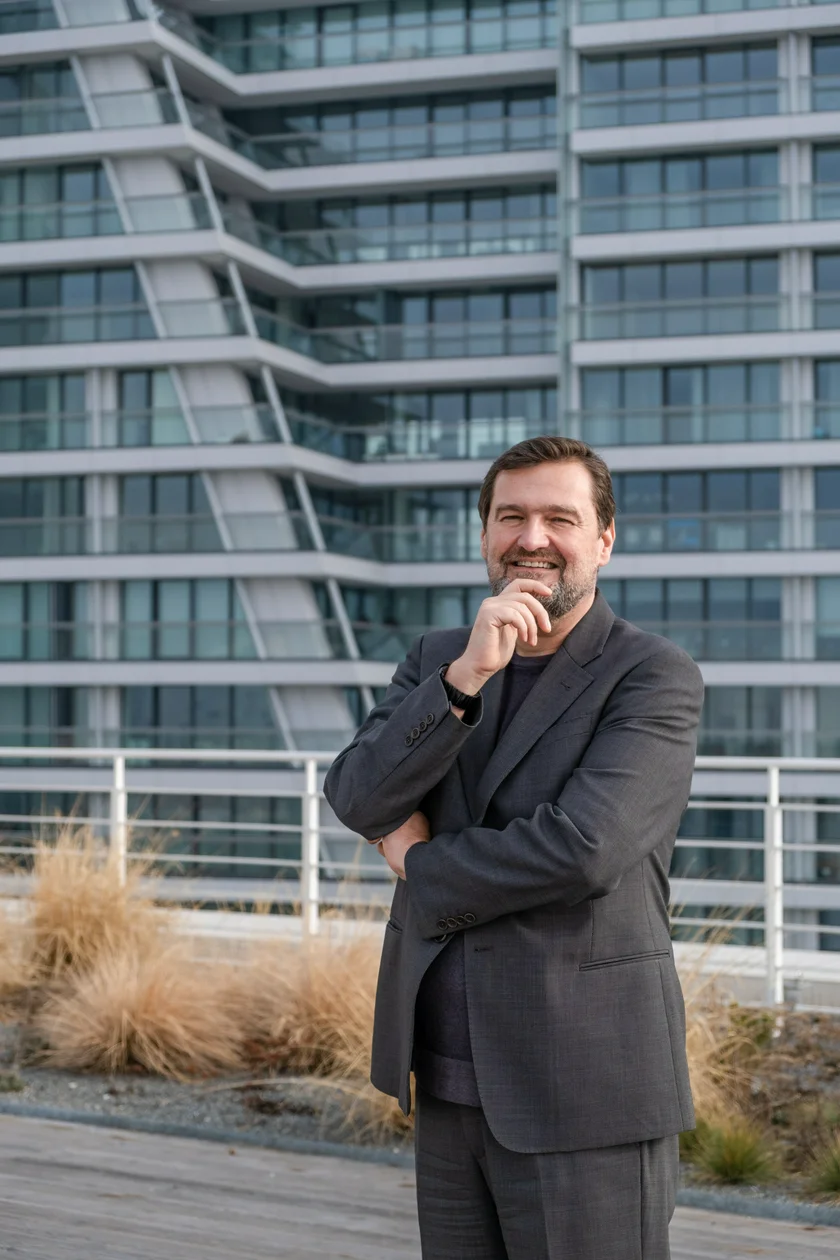


Schleuter saw an opportunity to adapt this model for the international community back in Prague. Drawing on a background in aviation and hospitality, and medical training at Harvard University and the Cleveland Clinic, Schleuter applied service design principles to healthcare, creating what he calls ‘a center of excellence in lifestyle medicine.’
The clinic soon became a medical home base for those living in Central Europe. Every member has a dedicated personal doctor and bilingual care team, direct messaging access, and a curated network of top specialists locally and internationally.
We manage their medical history, logistics, and referrals seamlessly,” Schleuter elaborates. “When they enter a Czech or foreign clinic, the experience feels borderless.”
Redefining premium care: time, trust, and genuine connection
Healthcare doesn’t pause when international clients travel. In New York for business and need to consult your doctor in Prague? No problem. Concierge’s medical team is reachable 24 hours a day and can guide patients through any situation. For expats, that kind of continuity can feel rare. Concierge aims to make it standard.
The clinic has more than 30 specialists under one roof, from cardiologists to nutritionists, integrating preventive, longevity and lifestyle-medicine principles into each personalized patient plan. The focus is not only on treating illness but on sustaining well-being, helping patients stay healthy, travel safely, and age well.
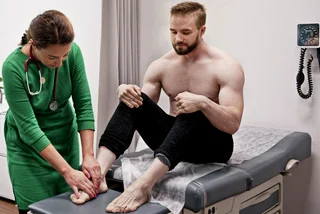
“In most healthcare systems, time with a personal doctor is the rarest currency,” he continues. Many of Concierge’s members come from systems like the Mayo Clinic, Hirslanden, and Bupa Global. They expect clarity, continuity, and a single point of contact, which Schleuter understands and has helped engineer.
“Premium care means being seen as a person with a story, not as a symptom with a chart,” explains Schleuter. “It’s defined by time and trust.”
At Concierge, each personal doctor is responsible for no more than 650 patients, the lowest patient-to-doctor ratio in Europe. The pacing gives doctors time to think, and patients time to talk, which is what defines true concierge private medicine, according to Schleuter.
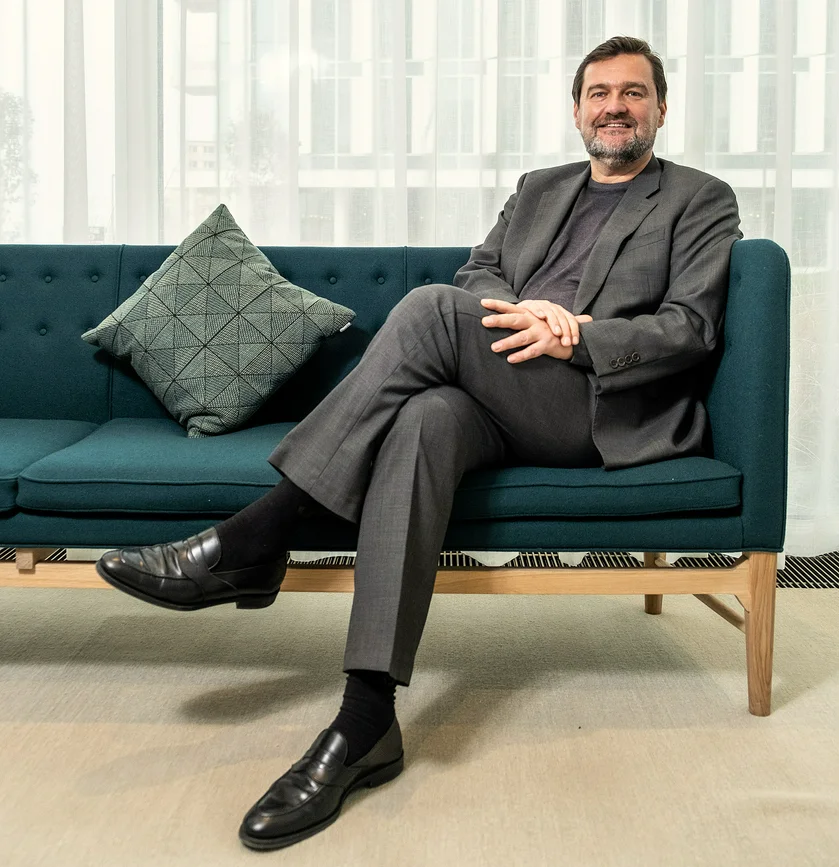
The result is more thorough healthcare: longer consultations, deeper diagnostics, and relationships built on understanding rather than urgency.
Empowering doctors to focus on patients
“Our doctors work for us because they want to practice medicine in its purest form, without the pressure of volume, with the luxury of time, and with the tools to focus on prevention,” says Schleuter. He believes that supporting doctors through alignment, rather than control, is key to excellence.
Every strategic decision at Concierge, from technology to staffing, is measured against one question: Does this enhance the quality of the doctor-patient relationship?

That philosophy has shaped everything from how Concierge uses technology to how it hires new staff. Technology, Schleuter explains, should connect, not replace.
At Concierge, digital tools are extensions of our doctors, not substitutes for them,” he says. “Our principle is simple: high-tech, high-touch. The future of medicine is not less human—it’s more intentional.”
The clinic utilizes AI-assisted diagnostics, remote biomarker monitoring, and lifestyle tracking; however, every insight ultimately leads to a personal consultation.
Healthcare that listens
In an era when healthcare often feels transactional, Concierge is set on preserving the art of listening through a blend of innovation and a human touch.
“Our goal,” Schleuter concludes, “is to redefine what it means to feel safe, understood, and cared for—especially for those living far from home. For the international community in Prague, we aim to be not just a clinic, but a compass for long-term well-being.”
For Schleuter, the mission goes beyond medicine: it’s about rebuilding trust between patients and doctors, proving that premium care can also be deeply human.