
 Reading time: 2 minutes

 Summary for: Czechs in US weigh rising prices against party loyalty before midterms
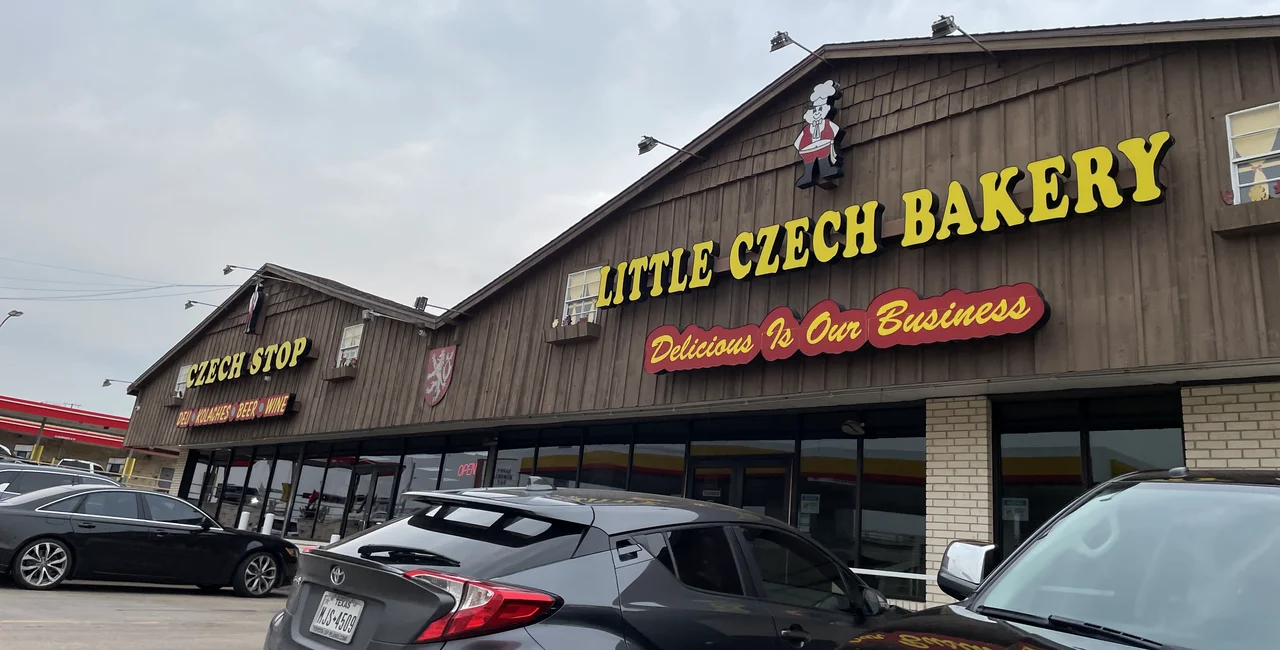
Rising fuel prices are putting pressure on Czechs living in the United States ahead of November’s congressional elections, but frustration over household costs is not necessarily changing their political loyalties.
In interviews with the Czech News Agency, Czech-born residents described different priorities: some blamed President Donald Trump’s policies for worsening economic conditions, while others remained committed to Republicans because of taxes or opposition to progressive Democrats.
Their accounts offer a snapshot of views within the Czech community rather than a representative survey. Some interviewees have acquired US citizenship and can vote; others follow the debate without being eligible to cast a ballot.
Higher fuel bills test support for Republicans
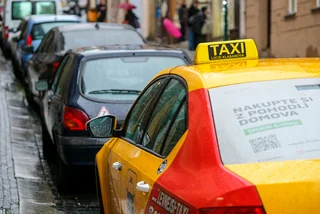
Milada Boháčková, who runs the Czech and Slovak School in Atlanta, said petrol and diesel prices dominated conversations among Czech residents she meets through cultural and community events.
When she moved to Georgia three years ago, filling her small car cost around $40. Now, she said, it costs approximately $67. Longer driving distances and larger vehicles make the increases particularly noticeable for many households.
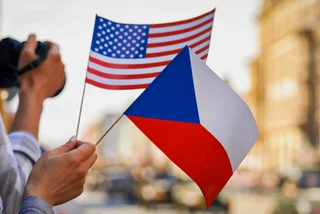
Boháčková, who cannot yet vote, said some Republican supporters initially defended Trump’s decisions but had become less understanding as their personal expenses increased.
National polling also points to widespread concern. According to an October Pew Research Center survey, 74 percent of Americans expressed significant concern about fuel prices, compared with 40 percent in January.

Věra Dvořák, a technology-sector worker who recently became a US citizen, plans to vote Democratic in her first American election. She sees fuel prices as a major source of dissatisfaction with Trump, but emphasized that Czech Americans are politically divided.
Chicago entrepreneur Kateřina Kalčíková, a Republican voter whose company organizes weddings and other events, also feels the increase at the pump. However, she questioned whether changing parties in response to current prices would bring a meaningful improvement.
She acknowledged widespread financial frustration and said Trump’s promises of better conditions had not materialized.

Taxes and Czech historical experience shape choices
For retired electrical engineer Vít Miller in Minnesota, taxes outweigh fuel and food prices as an electoral concern.
Miller describes himself as a libertarian who votes Republican. He supports Trump’s pressure on Europe to take greater responsibility for its defense but criticizes what he considers excessive government spending.

Lower taxes are also central for Katerina Crawford, a Pennsylvania teacher whose family is opening a second café. She favors Republicans this year, although she disagrees with Trump’s tariffs, which she considers unsuccessful in practice.
Both Crawford and Miller expressed concern about progressive Democrats, connecting their reactions to having experienced life under communism in Czechoslovakia. Crawford cited New York Mayor Zohran Mamdani’s democratic socialist politics as particularly troubling.
Dvořák offered a different perspective. Having lived in New York for 17 years before moving to Connecticut, she said poor housing conditions and neglectful landlords helped explain support for Mamdani’s proposals on affordability and tenant protection.
While she considers some of his positions extreme, she understands why voters see him as an advocate for people needing representation.
The interviews suggest that shared Czech origins do not translate into a common political outlook: economic pressures matter, but so do personal experience and beliefs about what government should do.