



 Reading time: 3 minutes

 Summary for: Czechia withdraws from Istanbul Convention: 'A sad signal for victims'
Czechia will no longer continue steps toward ratifying the Istanbul Convention on preventing and combating violence against women and domestic violence, after the government reversed its earlier support for the treaty. The move effectively ends the country’s ratification process, which had been stalled in parliament for years.
The decision was taken at the government’s final meeting on Monday, when ministers revoked a 2023 resolution from the previous cabinet that had supported ratification. The convention, a Council of Europe treaty, has been signed by Czechia since 2016 but never completed the approval process in parliament.
The move has triggered criticism from opposition politicians and organizations supporting victims of domestic and sexual violence, who warned it sends a negative signal at a time when cases of abuse remain a concern in Czech society.
Long-running political dispute
The Istanbul Convention has been one of the most politically divisive human rights treaties in Czechia.
Supporters argue it strengthens prevention, funding, and institutional responses to domestic and sexual violence, including training for police, judges, and healthcare workers, and the expansion of support services such as crisis centers and shelters.
Opponents, however, have long claimed the treaty is unnecessary, arguing that Czech law already provides sufficient protection. Some critics also say it introduces ideological concepts into domestic legislation, a claim rejected by supporters and many legal experts.
The Senate blocked ratification in 2023, effectively halting parliamentary approval. Monday’s government decision now formally withdraws executive backing for the treaty’s continuation.
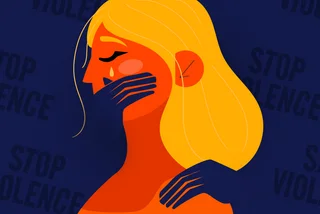

Criticism from opposition and experts
Former justice minister Eva Decroix described the move as largely symbolic but politically significant. “It sends a clear signal about the value priorities of this government,” she said, arguing that the debate should instead focus on improving protection for victims of domestic and sexual violence.
Deputy speaker of the lower house Barbora Urbanová said the treaty has been heavily distorted in public debate. She argued that Czechia should instead be focused on implementing existing European obligations to combat violence.
Former regional development minister Ivan Bartoš said the convention addresses violence in a comprehensive way, including prevention and support systems. He accused the government of taking steps that run counter to victim protection and prevention efforts.
'A sad signal' for victims of violence
Representatives of organizations working with survivors of abuse strongly criticized the decision. Klára Šimáčková Laurenčíková, former government commissioner for human rights, said the move is unlikely to be welcomed by victims or support services.
“Let’s look at who is celebrating the withdrawal of support for ratification of the Istanbul Convention. It is certainly not victims of domestic violence or organizations that provide them with daily assistance,” she said.

Jitka Poláková, head of the organization proFem, which runs support services for survivors of sexual violence, called the decision “a sad signal for victims of domestic and sexual violence,” warning it would not improve conditions for those affected.
Markéta Kos Mottlová of the Czech Women’s Lobby said the group would closely monitor the government’s approach to upcoming EU-level legislation on combating violence against women.
Czechia’s government has ended its support for ratifying the Istanbul Convention, a Council of Europe treaty aimed at preventing and addressing domestic and sexual violence. What do you think about this decision?
What happens next
With the government formally revoking its earlier support, Czechia is now not expected to pursue ratification in the current parliamentary term. The treaty remains in force in around 40 countries, while several EU member states have yet to ratify it.
The government has argued that previous parliamentary steps had already stalled the process, making the convention effectively inactive in Czech law. Critics, however, say the decision represents a broader political shift away from prioritizing gender-based violence prevention and victim support.