



 Reading time: 3 minutes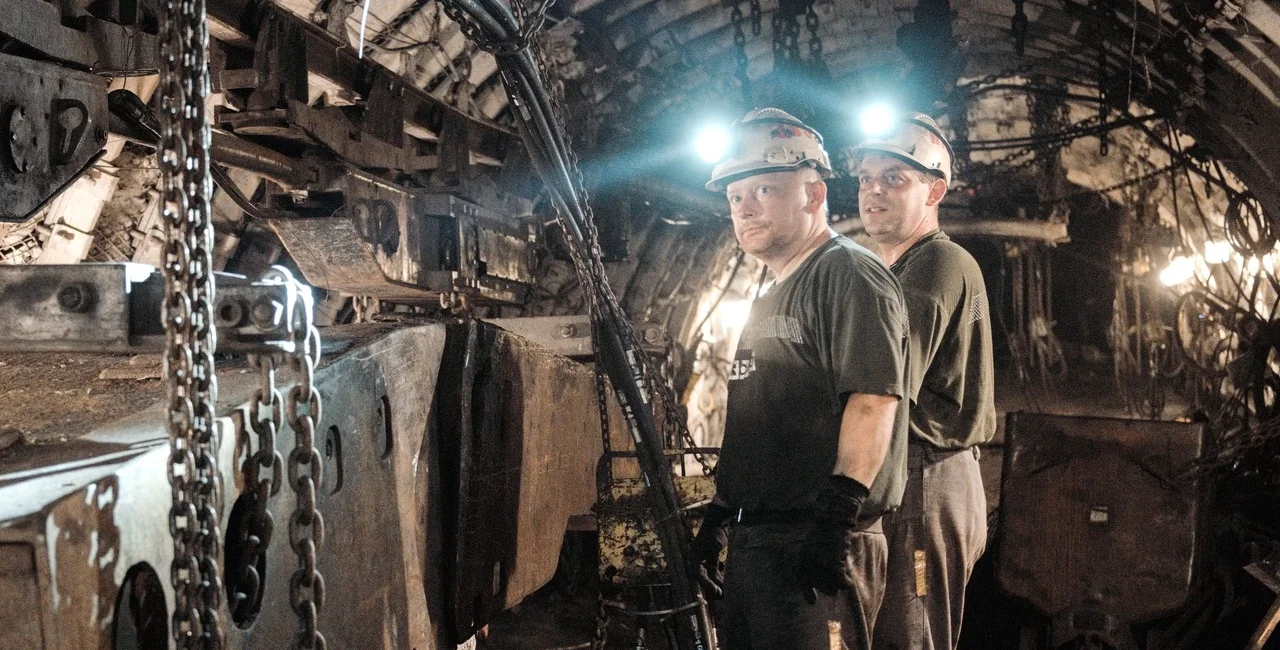

 Summary for: After 250 years of coal, what comes next for Czechia's economy and environment?
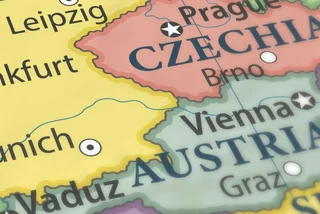
Czechia’s last deep coal mine, the ČSM shaft in Stonava, is set to close by the end of January, bringing more than 250 years of coal mining in the country to an end. Once the backbone of the Moravian-Silesian industrial heartland, the mine’s closure marks the conclusion of an era that powered regional steel production and heavy industry.
The end of hard coal mining signals a shift in energy, employment, and the environment in a region long associated with underground mining. OKD, the state-owned company that operates the mine, will lay off roughly 900 workers as it winds down extraction.
Communities that grew around the industry must now adapt to new economic realities while managing the environmental legacy of centuries of excavation.
Czechia ends coal mining after 250 years
Mining in the Ostrava-Karviná basin began in the late 18th century, drawing tens of thousands of workers and driving infrastructure and industrial growth. At its peak in the 1980s, the basin employed more than 100,000 miners and produced up to 25 million tons of coal annually. Following privatization, the industry declined, and OKD’s workforce fell to just 2,300 by 2025.
“Global coal prices are low, while our mining costs are ever greater with the ever greater depths we go to,” OKD director Roman Sikora told Reuters. Deep mining at ČSM is no longer economically competitive, while shrinking domestic steel production and Europe’s environmental transition have reduced demand.
Economists note that the region has already weathered major employment shocks over the past three decades. Technical University of Ostrava economist Jan Belardi said unemployment now stands at 6.6 percent, supported by retraining programs and foreign investment, including South Korean automotive projects.
For locals, the closure carries both practical and personal consequences. Employees who have spent decades in the mines now face job transitions. Lenka Czyzová, who has worked at the ČSM mine as a canteen worker, said the closure is deeply felt: “We’ll all have to look for work now,” she told Radio Prague. “It’s a real shame that it’s ending.”

Severance packages for departing employees will total more than half a billion crowns, with payouts reflecting years of service. Meanwhile, OKD is preparing to remain active above ground, developing battery storage facilities, cogeneration plants using mine gas, and industrial properties in the Karviná district.
What comes next
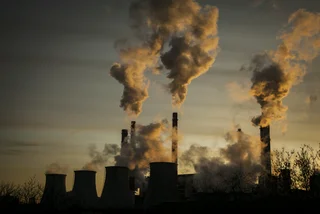
Coal mining has left a visible mark on the landscape, including polluted lagoons, ground subsidence, and abandoned infrastructure. The European Union’s Just Transition Fund will provide CZK 19 billion ($908 million) to support regional redevelopment and decarbonization efforts.
Surface lignite mining is expected to continue in western Czechia, while Poland still maintains black coal operations employing roughly 70,000 people. Analysts say the Czech transition mirrors broader European trends away from fossil fuels, highlighting both economic and environmental imperatives.
OKD’s new projects aim to transform the company into an energy and industrial services provider. Sikora said plans include a 40-megawatt-hour battery storage facility and a cogeneration unit for electricity and heat, expected to be operational by late 2026.
The end of ČSM marks the last chapter of deep coal mining in Czechia, but it also signals the start of a broader regional transformation. Authorities and companies are investing in retraining programs, renewable energy projects, and industrial redevelopment to replace coal-dependent employment and reduce environmental risks.

Observers will be watching how the region balances economic renewal, environmental remediation, and energy needs, offering a potential model for other former coal-dependent areas across Central Europe.