



 Reading time: 4 minutes

 Summary for: How well-being shapes academic success, according to a Prague education expert
What helps a child truly thrive at school? For many expat families in Prague, the answer goes beyond grades. If you want your child to feel confident, resilient, and able to cope when things don’t go as planned, you need to reinforce their emotional well-being both at home and in the classroom.
Schools often say they care about student well-being. They know it matters, and they know parents expect it to be a priority. But are they actually doing enough?
Children are much more open to learning when they feel confident and supported. When students feel safe, valued, and capable, they naturally become more curious and willing to learn,” says Lana Gergisak, founder and director of Central Point School.
In other words, well-being is not separate from learning, but something that makes learning possible. Yet finding this balance sometimes feels tough in Czechia’s sink-or-swim education system, where old-school values leave little room for children to feel nurtured, safe and independent.
Expats.cz spoke with Gergisak about how schools and families can work together to strengthen children’s emotional well-being, and how that approach plays out at Central Point School.
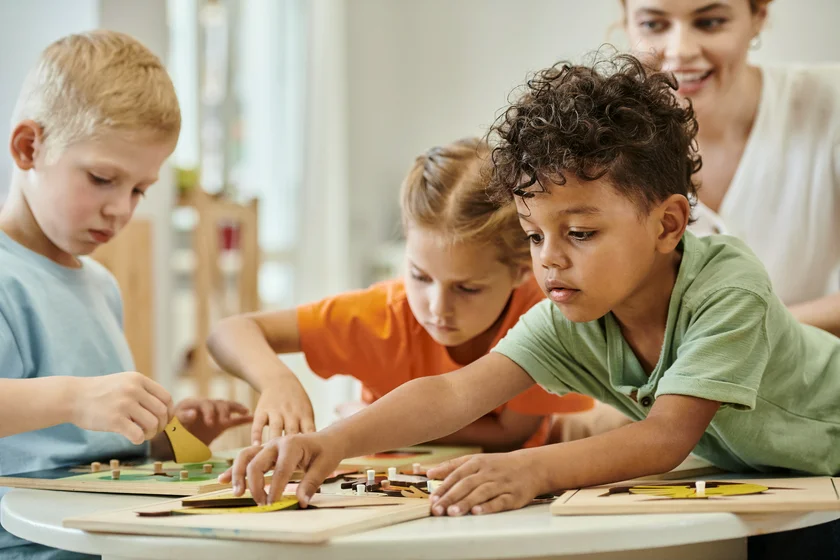
Learning thrives when well-being is part of everyday life
Children need opportunities to connect, communicate, and make mistakes within a supportive environment, because, as Gergisak notes, “When children are overwhelmed by their emotions, learning becomes more difficult.”
Located in Prague’s expat-friendly Žižkov neighborhood, Central Point creates space for students to explore feelings and learn how to handle challenges through PSHE (Personal, Social, Health and Economic Education) lessons. The school also uses the Responsive Classroom approach, which is a student-centered, evidence-based teaching model that supports academic success by developing social-emotional skills and building a positive classroom community.
These things aren’t separate,” she says. “Emotional regulation and meaningful relationships go hand in hand. One without the other can’t fully support a child’s growth and learning."
Critical thinking is embedded across subjects. When children are encouraged to share ideas, make connections and place events into context, they take greater ownership of their learning, which in turn builds confidence.
Gergisak suggests that parents can reinforce this by encouraging independence (for example, letting children try, struggle, and try again before stepping in).
Additionally, they can praise effort and problem-solving rather than perfection. For instance, instead of asking, “Did you get it right?” ask, “What was challenging?” These questions send the message that growth matters more than perfection.
Giving children a voice and guiding them through challenges
Children who feel heard are more likely to engage, Gergisak explains. At school, this might look like open discussions, shared decision-making, and giving students opportunities to reflect and repair when conflicts arise.
Parents play an important role here, too. When a child comes home upset, it helps to listen before rushing to fix the problem. Saying something like, “It sounds like that feels unfair,” can help children name and process their emotions rather than push them aside.
Parents can also build resilience and problem-solving skills by asking thoughtful questions when children need more support. This invites children to think more deeply rather than immediately receiving the answer.
Growing up in a digital world
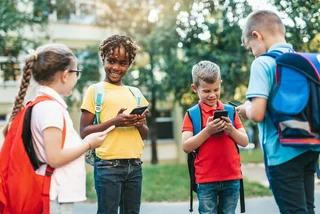
Children are navigating a digital world that even adults are still figuring out, and no conversation about well-being is complete without discussing screens.
“We need to do better as a society,” says Gergisak. “Children are being exposed to inappropriate content online far too early, and phone addiction is becoming a real concern.”
Online safety should not be a one-off classroom lesson. Central Point regularly addresses this topic through its PSHE lessons, assemblies and parent workshops.
The Czech government, meanwhile, is currently weighing a ban on social media for kids under 15. If approved, the ban could go into effect later this year, helping schools and families combat the growing threat social media poses to a child’s well-being.
Families can work together to set boundaries that work for them, like creating screen-free times or areas, keeping devices out of bedrooms overnight, and talking openly about what children are watching and how it makes them feel.
Most importantly, parents need to model the habits they want to see. Children notice when adults scroll at the dinner table, but they also notice when adults put phones away and give full attention.
A child’s well-being is a shared responsibility
When it comes to well-being, Central Point takes a learner-centered approach. Children who are actively involved in the learning process, Gergisak explains, are far more likely to retain knowledge and develop into lifelong learners than when they are simply told what to think.
Families can help reinforce this message through small, consistent actions at home. When schools and parents work together, children gain more than academic skills. They gain confidence, resilience, and the belief that they can navigate a complex world.
"Well-being should shape how we teach, how we lead, and how we relate to one another every day,” says Gergisak. “When it is woven naturally and consistently into the life of a school community, children truly thrive.”