



 Reading time: 4 minutes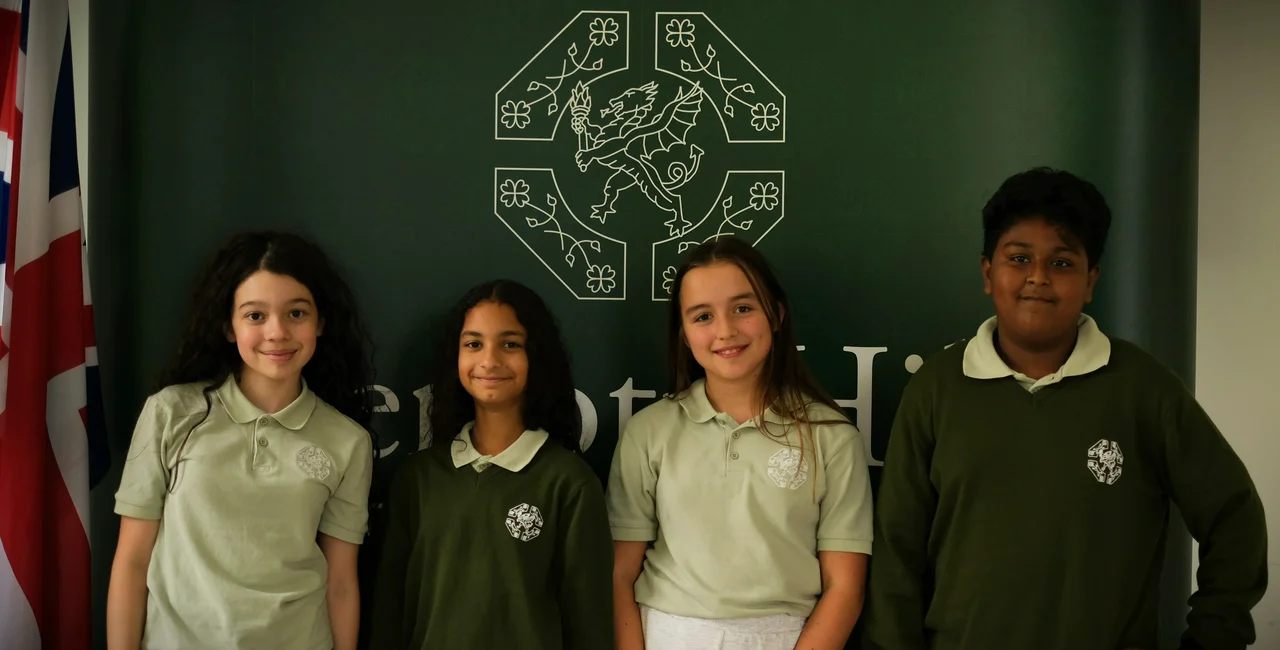

 Summary for: Exporting excellence: Is the British education system better taught in Czechia?
British international schools remain a top choice for many expat parents with children in Czechia, often chosen based on values that offer learning grounded in the English curriculum and language. But in an ever-changing, globalized society, what does ‘Britishness’ mean in the 21st century? This isn’t just an abstract question but a real consideration for institutions that uphold ‘British values’ abroad.
Think of a classic British school and certain images might spring to mind: blazer-and-tie uniforms, grand old buildings, and cricket on the sports field. However, while these visible aspects remain important for many schools in the UK and beyond, the essence lies in an approach to learning that fosters critical thinking.


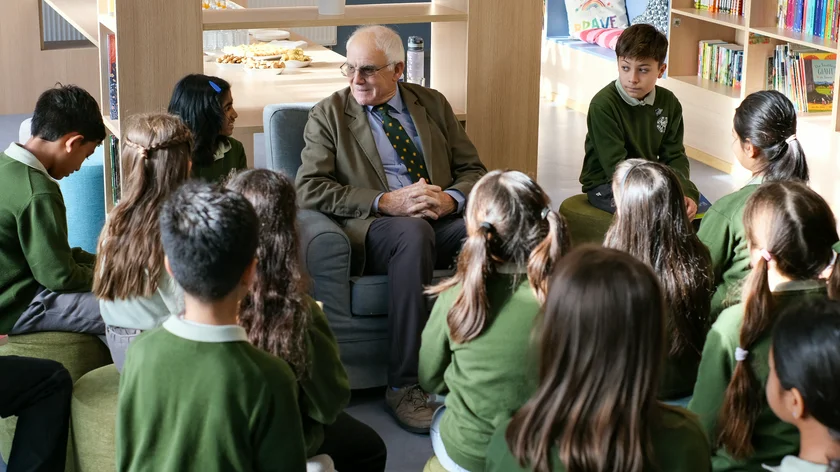

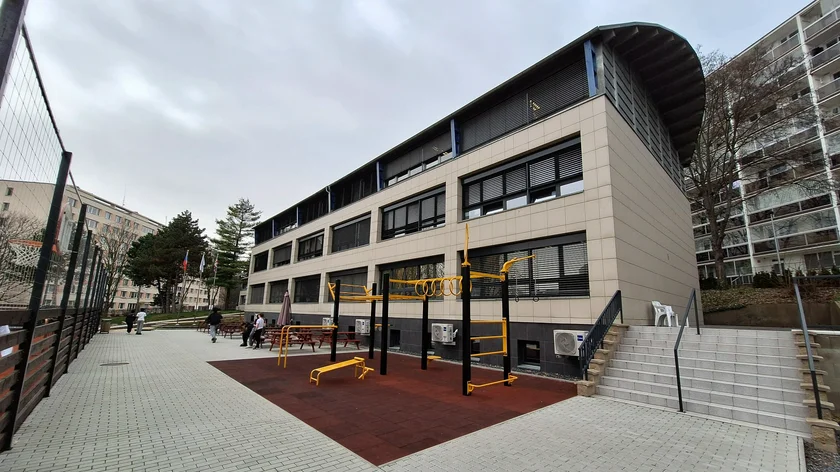

What defines a British approach to education, and why do so many expats continue to choose it for their children? We spoke with Robert Ford, Executive Headteacher at Perrott Hill British School (PHBS), to find out.
Why ‘go British’ after Brexit?
The British curriculum remains the world’s most popular, used in about 30 percent of international schools worldwide, and is still a source of pride for UK citizens, who are among the world’s most positive about their education system. But “immense strain” resulting from insufficient funding and growing class sizes in the UK suggests British schools abroad may be better positioned to maintain the strengths of the model than those at home.
Ford argues that international values and structures make British schools immune to “political decisions” such as Brexit. “If anything, Brexit has made a British influence on education in Europe and beyond even more important,” he adds.

For expat families, the emphasis on personal development beyond academic success is a big draw, instilling values of community and diversity that are vital to anyone with an international lifestyle.
The PHBS experience is much more holistic than other schools which aim at drilling tests and assessments daily, known as ‘exams factories’,” Ford explains. “British education is synonymous with high-quality, traditional, but also innovative and character-building education.”
Its association with a flagship school in the UK “helps develop key aspects such as international mindedness, global citizenship, equality, intellectual curiosity, well-being, leadership and social responsibility,” according to Ford. Students’ successes in extracurricular activities such as the Model United Nations and the Duke of Edinburgh Award exemplify this.
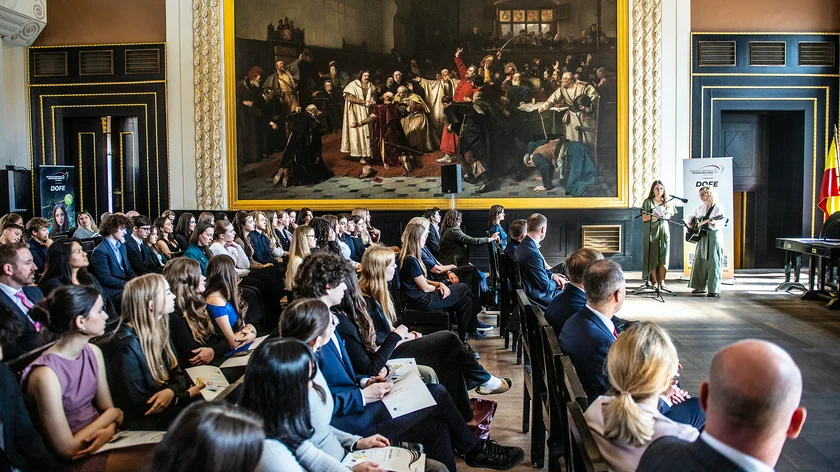
“This is what education should look like,” the Headteacher emphasizes, “and how we teach a global mindset for the next generation.”
Becoming truly bilingual is just the beginning
Research shows that bilingual children develop stronger cultural awareness and communication skills, supporting empathy and adaptability in diverse environments. Sadly, language learning in the UK has been in decline for years, and the Higher Education Policy Institute has noted that there are now more A-level entries for Physical Education than for French, German, and classical languages combined.
For children growing up in Czechia, second or third language fluency is often a natural advantage that is less common in UK school systems, and makes English-language education a key draw of British international schools. For expat families where English is their native language, the continuity of English instruction from early years through leaving exams ensures long-term fluency alongside additional languages.

This fluency often opens new doors beyond graduation. The UK consistently ranks as the world’s second most popular destination for international university study (behind the U.S.), and the British curriculum, especially the dominant Cambridge International curriculum, offers a path, as A Levels remain one of the most popular leaving qualifications among international schools worldwide.
We have to equip students with the skills, knowledge, and characteristics needed to take on the world confidently in this tumultuous decade and beyond,” Ford emphasizes.
Why the ‘British’ model is more than just a label
Expat parents who visit a school in person can observe daily life, speak with students, and see how teachers and school leaders engage with them. But not all British Schools are created equal, and being fully informed is key.
“There are lots of gimmicks and fads in the educational marketplace,” Ford admits. “But with the good schools, which value education for the nurturing, development, and progress needed to prepare students confidently for the future, ‘British school’ is much more than just a label.”
This openness to the world is what sets British international schools like PHBS apart. Here, expat children develop not just knowledge, but a set of values and principles that stand them in good stead to lead successful, happy international lives.
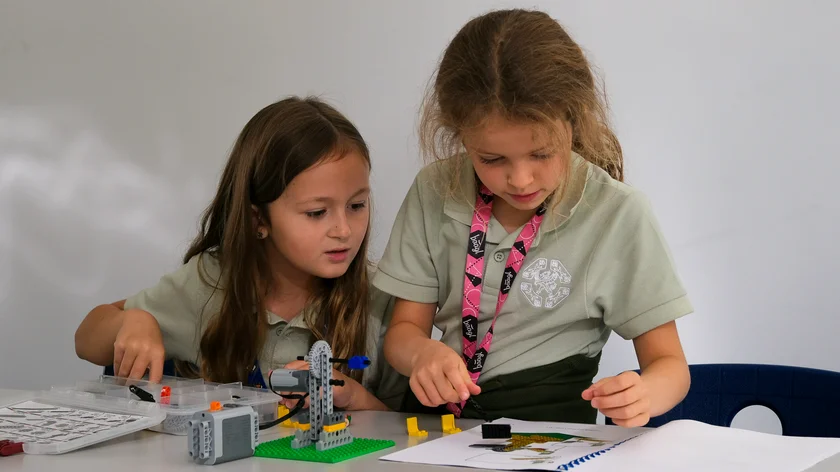
Additional enrichment activities, such as clubs, student leadership councils, counseling, tutoring systems, and more, help develop characteristics that will benefit them throughout their adult lives.
Some schools may claim to have found a magic formula for learning, but as Ford says, “British education, like any great education, is timeless. It’s about a child being happy, safe, and cared for. It’s about teachers sharing their passion for learning and about preparing young people for an ever-changing world, so that they feel confident enough to take their place in it.”