The European Court of Human Rights will hold a hearing Feb. 9, 2027, on Liechtenstein’s complaint against Czechia over property confiscated from its ruling family after World War II.
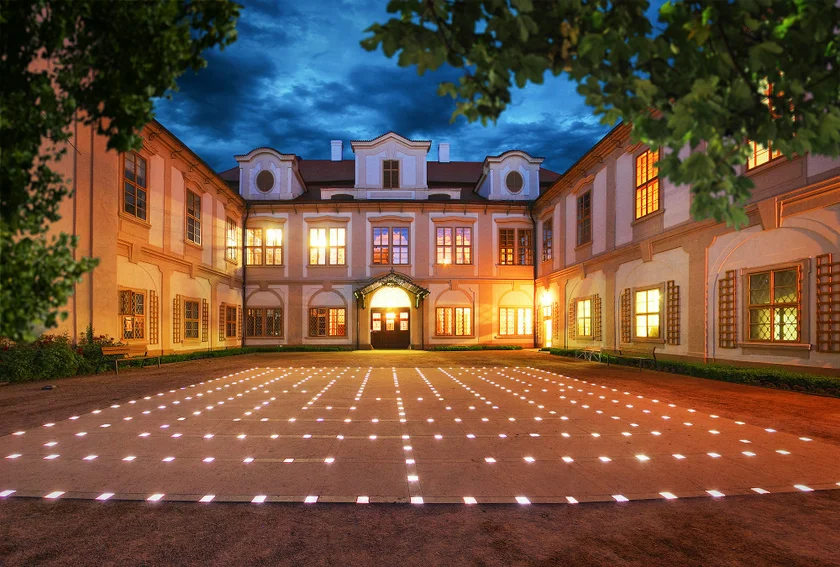
The case forms part of the Liechtenstein family’s decadeslong efforts to recover Czech property, including thousands of hectares of farmland and forests and landmarks such as the Lednice-Valtice complex in South Moravia. The disputed holdings are estimated to be worth at least CZK 30 billion.
PARTNER ARTICLE
A seven-judge chamber in Strasbourg will examine both the complaint’s admissibility and its merits, the Czech Justice Ministry announced. Scheduling the hearing does not establish whether Czechia violated the family’s rights.
A dispute over property and court decisions
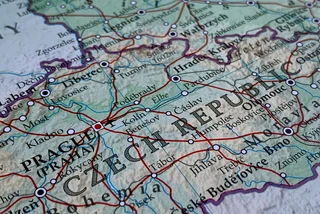
Liechtenstein submitted its interstate complaint in 2020, initially drawing on a dispute over approximately 600 hectares near Říčany, southeast of Prague.
It alleges that Czechia violated several protections under the European Convention on Human Rights, including property rights, respect for private and family life, and the prohibition of discrimination.
Liechtenstein subsequently raised additional objections, including an alleged breach of the right to a fair trial before the Czech Supreme Court, according to the office representing the Czech government before the Strasbourg court.
The country also requested an oral hearing.
“Holding an oral hearing is a usual procedural step in interstate cases,” the Justice Ministry said in its announcement. The court will send both sides the specific questions to be addressed before the hearing takes place.
Interstate complaints are relatively uncommon at the European Court of Human Rights, which overwhelmingly handles applications brought by individuals.
The proceedings concern alleged human rights violations connected with Czech court decisions over the confiscated property. The February hearing will assess those arguments rather than itself constitute an announcement that the properties will be returned.
Wartime nationality remains at the heart of the case
The dispute stems from the postwar confiscation of the Liechtenstein family’s holdings under the Beneš decrees.
Czechoslovak authorities maintained that Prince Franz Joseph II had declared German nationality and behaved accordingly during the war. Liechtenstein argues that Czech courts subsequently erred by accepting that position.
The family disputes the historical claim, saying the prince was not German, never declared himself to be German and was the head of a sovereign state that remained neutral during World War II.
The Liechtensteins’ ties to the Czech lands stretch back centuries. They were among the wealthiest aristocratic families in the region, particularly in Moravia, where their former estates remain prominent cultural landmarks.
Alongside Lednice and Valtice, the family owned the chateaux at Bučovice, Plumlov and Velké Losiny. The Strasbourg proceedings add a new stage to the legal dispute over the treatment of those historic holdings.