



 Reading time: 3 minutes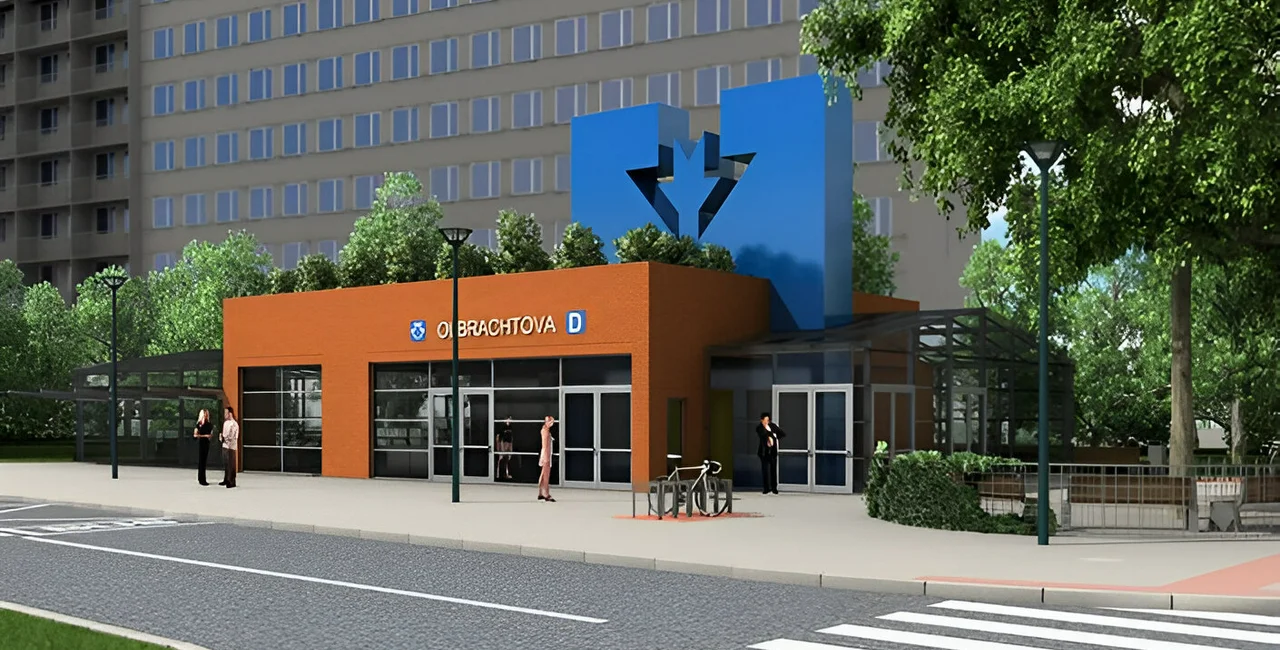

 Summary for: Where the streets have new names: Prague's renaming debate reignites
Prague Deputy Mayor Zdeněk Hřib (Pirates) is spearheading a move to rethink the city’s public names, starting with the planned Olbrachtova metro station, the first completed stop on Line D.
Hřib has proposed renaming the station Ryšánka, arguing that public transport stops “should certainly not have names inspired by totalitarian or extremist regimes.”
The current working name honors writer Ivan Olbracht, a communist-era figure whose legacy has drawn criticism from historians and Prague 4 officials.
“This is about what kind of stories we tell through our city’s map,” Hřib said. “We’ve discussed this across the transport agencies, and Ryšánka makes much more sense locally, and morally.”
The Institute for the Study of Totalitarian Regimes supports the change, urging new stations to commemorate resistance heroes such as WWII pilot Josef Bryks or priest Josef Toufar, both persecuted by totalitarian regimes.
NEW TOOL: Prague Street Book
To bring transparency to the city's complex naming history, Prague has launched the free, public Prague Street Book application. This comprehensive database holds over 8,300 current and historical street, square, and park names. A joint project by City Hall and the Prague Archives, the resource is enriched with historical maps and photographs, offering accessible information for ongoing civic identity debates.
Focus on women’s names and gender gap
Hřib is also pushing to ensure Prague’s soon-to-open Dvorecký Bridge, connecting Podolí and Smíchov, bears a woman’s name.

“It should honor a Czech woman who embodies strength and compassion,” he said. While Hřib himself has consistently advocated for a female name, his advisor, Marie Kobrlová, confirmed that St. Agnes of Bohemia is a strong contender for the name, honoring the 13th-century Czech princess and nun.
The discussion over names also highlights a persistent gender representation gap. Averil Huck, who leads Prague Feminist Tours and spent years working on gender equality projects, confirmed in an interview that less than 5 percent of Prague's streets are currently named for women.
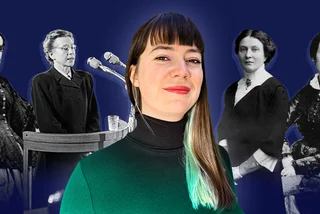
Initiatives like her tours seek to address this gap by highlighting the women, from suffragists to reformers, who shaped Czech history.
Recent developments have sought to address this, approving streets named after women such as Madeleine Albright, Toyen, and Meda Mládková.
Even playful ideas have gained attention, such as a large petition to name streets in Rohanský ostrov after The Lord of the Rings characters. Ultimately, the area's streets will honor philosophers, including the prominent female thinker Simone Weil.
Erasing history?
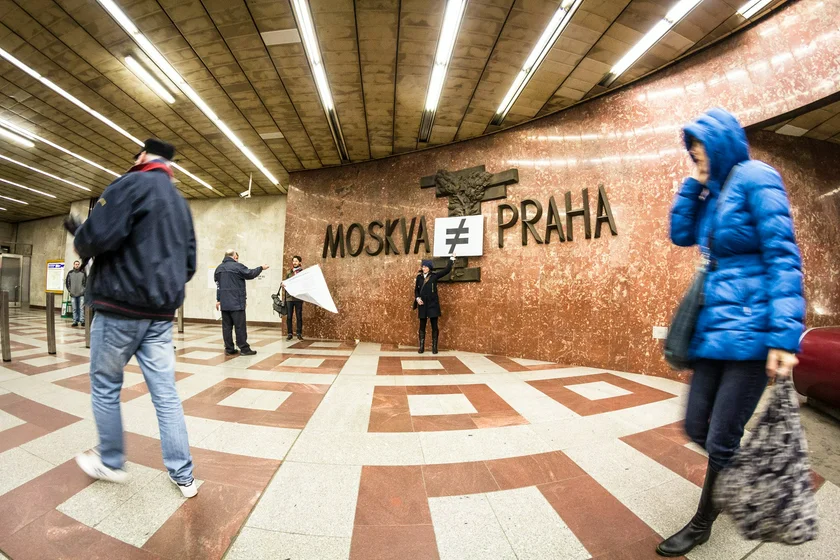
Yet, this push to redefine Prague’s historical landscape is not without controversy. The debate over renaming has also fueled disputes over monuments, notably at the Anděl metro station (formerly Moskevská).

Deputy Mayor Hřib proposed the removal of a bronze sculpture celebrating "Moscow-Prague" friendship, viewing it as Soviet propaganda.
The Transport Company ultimately kept the sculpture but agreed to install an explanatory plaque, acknowledging the opposing view that removing the art would be "erasing history."
Recent high-profile renamings
Prague’s broader reckoning with history continues: Koněvova Street, long named after Soviet Marshal Ivan Koněv, officially became Hartigova Street in Prague 3 this October, honoring Karl Hartig, the first mayor of Žižkov.
In 2022, a street and bridge near the Russian Embassy were renamed Ukrainian Heroes Street and Vitaliy Skakun Bridge, reflecting the city’s political stance amid the war in Ukraine.

As Hřib put it, Prague’s naming debates are about more than geography: “It’s a question of values, of who we choose to remember, and what kind of future we want to reflect in our streets.”
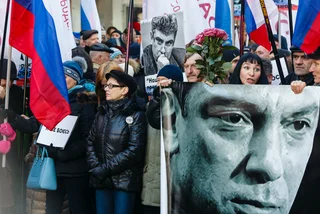
This tension, between memory and values, remains central to the city's identity debate. As Deputy Mayor Zdeněk Hřib concluded, Prague’s naming debates are about more than geography: “It’s a question of values, of who we choose to remember, and what kind of future we want to reflect in our streets.”
Top 10 Most Common Honored Persons (Historical Usage)
1. Jan Hus 39
2. Karel Havlíček Borovský 39
3. Jan Žižka 38
4. John Amos Comenius 32
5. Bedřich Smetana 32
6. František Palacký 27
7. Miroslav Tyrš 26
8. Alois Jirásek 25
9. Jan Neruda 24
10. Svatopluk Čech 22