



 Reading time: 4 minutes

 Summary for: Prague's homeless population faces a harsh winter: Here's how you can help
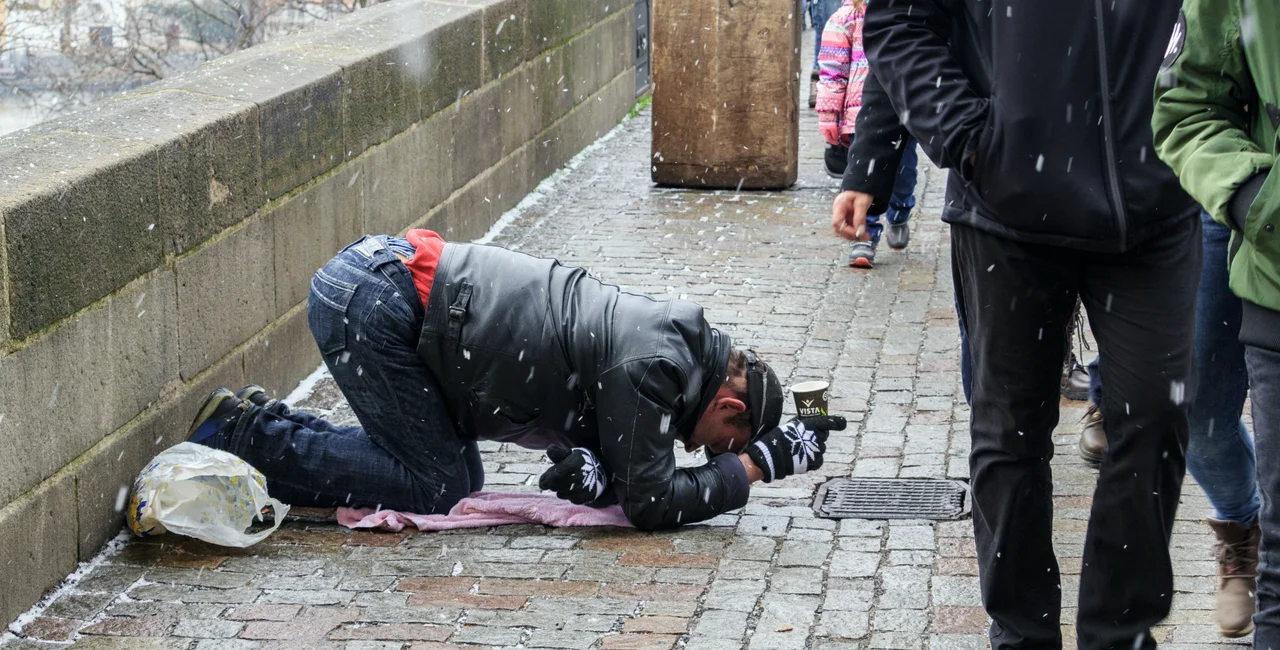
A night indoors, a shower, a replacement identity document: helping someone leave Prague’s streets can begin with something small. Keeping that person housed requires support that continues long after the temperature rises.
Around 2,600 people live on the streets of the Czech capital, according to an estimate from local charity Naděje. That figure specifically describes people experiencing long-term homelessness, rather than everyone without a secure home.
PARTNER ARTICLE

As Prague prepares to expand its winter services, organizations working with people experiencing homelessness warn that everyday support remains stretched. For residents wondering how to help, there are ways to contribute—from funding accommodation to supporting outreach workers who build relationships over months or years.
What happens beyond a night in a shelter?
Prague’s response combines overnight shelters, residential facilities, day centers, healthcare and social counseling with temporary accommodation and supported housing, City Hall spokesperson Vít Hofman told Czech News Agency.
These services meet different needs. Someone may require a safe place to sleep tonight while also needing help replacing documents, accessing treatment or securing an income before a longer-term housing option becomes realistic.
District social workers, known as sociální kurátoři, help connect those steps. Prague 1 spokesperson Karolína Šnejdarová described work that includes arranging documents, finding accommodation and linking people with other services. Continuity and trust are central to that approach.
Support also aims to prevent homelessness. Districts help residents address debts, unemployment and health problems that threaten their housing.

The scale of that daily work is substantial. Naděje’s Prague branch says it supported an average of 537 people each day in 2025, provided accommodation to 223 and treated 14 patients in its medical facilities. Those are service figures, rather than a count of everyone experiencing homelessness in Prague.
Why winter help matters—and where the gaps remain
Prague’s winter humanitarian measures run annually from Dec. 1 through March 31, expanding accommodation, day centers and outreach. Coordinated by the Prague Social Services Center, the network brings together municipal services, charities and emergency responders.
Naděje’s Aleš Strnad welcomed the seasonal provision, which allows people to spend nights indoors free of charge. He also praised the humanitarian hygiene center in Troja.

But Prague needs at least twice its current day-center capacity, he says. Residential shelters are full, with waiting lists for available places.
Strnad argues that opposition from nearby residents helps prevent new centers from opening, even as the public raises concerns about people living outside without adequate hygiene facilities.

His broader point is that emergency accommodation needs somewhere to lead: affordable housing, accessible residential services and sustained support.
The local branch of the Salvation Army makes a similar distinction. Its current winter campaign explains that shelter can create the first opportunity to address documents, health, income and housing. During particularly cold periods, when beds are unavailable, it also offers places where people can remain indoors seated overnight.
One district’s different approach
Prague 9’s Homeless Blues project has offered accommodation in portable cabins since 2013, linked to activities such as collecting litter or looking after parking areas and a skatepark.

Cabins are distributed across roughly 30 locations, and more than 200 people have participated over the project’s lifetime. Some have subsequently secured permanent jobs with the district.
Those cumulative participation figures do not establish how many people have moved into permanent housing. They do, however, illustrate one district’s attempt to combine accommodation with regular responsibilities and contact with municipal services.

How you can help this year
- Contribute toward a night indoors. The Salvation Army’s Nocleženka campaign accepts CZK 100 donations toward overnight accommodation, with access to food, hygiene facilities and social workers. Donations support its shelters across Czechia, including Prague, according to current need.
- Fund winter shoes and clothing. Naděje’s Prague campaign Darujte nohy v teple buys shoes and warm clothes for distribution through outreach workers and day centers. The annual collection runs from November through January.
- Volunteer with an English-speaking community. FriendShip Prague brings Czechs and international residents together to support people experiencing homelessness. Its volunteers distribute food, clothing and essential supplies every weekend.
- Donate winter essentials in Karlín. Caritas Prague’s charity clothing collection particularly needs warm men’s jackets, winter shoes, hats, gloves and scarves. Bring clean, washed clothing to Pernerova 20, Prague 8, where reception accepts donations around the clock.
- Help provide free meals. Volunteer-run Jídlo pro všechny (Food for All) prepares and distributes vegetarian meals for people in need and welcomes prospective volunteers. To discuss current opportunities in English, contact info@jidloprovsechny.cz.
- Support a longer stay indoors. Nejdřív střecha (Roof First) funds temporary accommodation in participating shelters and hostels, including in Prague. Support can cover up to two months, alongside professional help with documents, benefits, employment and finding further accommodation. Donations pay for clients’ accommodation.
- Offer practical or organizational skills. Prague-based AAA Global Care Foundation invites volunteers to help distribute supplies, organize donated items and events, or assist with administration. Apply through its English-language volunteer page and ask which Prague activities currently need support.
- Check whether someone needs immediate help. Prague’s social services center advises speaking to a person who appears to be at risk and asking whether they need assistance. If their life or health is in danger, call 155. Its seasonal winter dispatch service does not operate before Dec. 1; year-round services continue outside the winter program.