




 Reading time: 2 minutes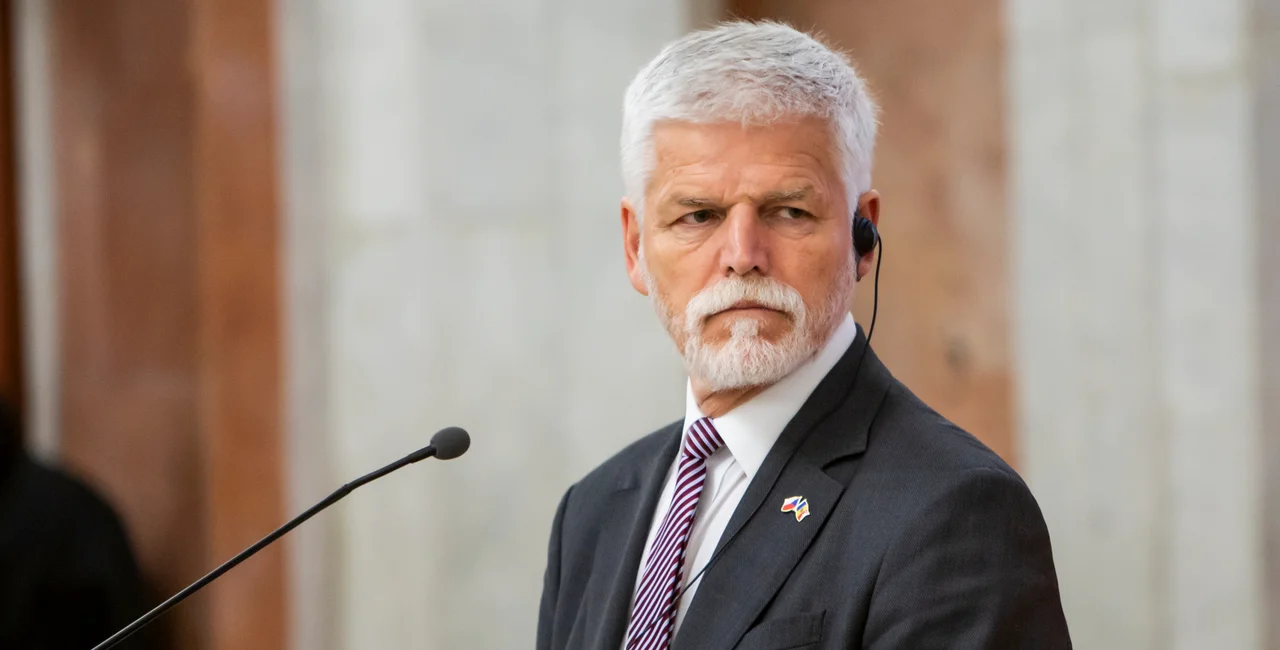

 Summary for: Pavel sees no imminent Russian attack on NATO, warns of other threats
Czech President Petr Pavel said Monday that he does not believe Russia is likely to launch a direct military attack on a NATO member. He warned, however, that Moscow could carry out a larger hybrid operation, such as a cyberattack or an act intended to disrupt daily life and spread fear.
Speaking in New York at the start of his visit for the UN General Assembly, Pavel also said it was dangerous to question NATO’s collective-defense commitment. His remarks followed a warning from Czech intelligence chief Michal Koudelka that Russia might test the alliance’s unity within months.
“I do not think there is really a risk of a direct Russian attack on NATO,” Pavel told Czech journalists. Russia is not in a position to risk an open military confrontation with the alliance as a whole, he said.
That assessment does not rule out a less conventional operation, Pavel added. He described possible cyberattacks or subversive acts aimed at interrupting ordinary life and creating uncertainty. He did not say that such an attack was imminent or identify a specific target.
Different assessments of the risk
Koudelka, head of the Czech Security Information Service, told The Guardian that Russia could test NATO within months rather than years. He raised possibilities including a limited incursion or a provocation intended to challenge the alliance’s response.
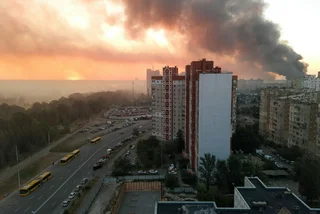
Pavel’s comments draw a distinction between that kind of warning and the likelihood of a direct attack on NATO territory. He said Russia’s current position makes a full confrontation with the alliance unlikely, while leaving room for actions that fall short of open warfare.
The discussion also follows comments by Slovak Prime Minister Robert Fico, who said he did not want Slovakia drawn into a military conflict “because of some Article Five.” After Pavel called those remarks serious, Fico suggested the Czech president, a former NATO general, wanted to fight.

Why Article 5 matters
Article 5 is NATO’s collective-defense pledge: an armed attack on one member is treated as an attack on all. Pavel said the alliance cannot function unless its members are prepared to contribute to one another’s security.
“I consider any statements questioning Article 5 or questioning our membership in NATO dangerous in the current security context,” he said, adding that he hoped Czechia would avoid thinking along those lines.
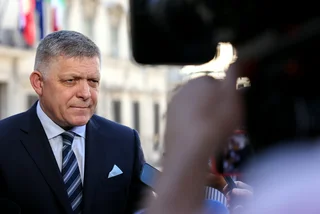
Responding to Fico’s suggestion that he favored war, Pavel rejected the idea that supporting collective defense meant wanting a conflict. Peace, he argued, requires countries to be willing to act to protect it.
Pavel is in New York to lead the Czech delegation at the UN General Assembly, where he is due to deliver the country’s national address this week.