


 Reading time: 7 minutes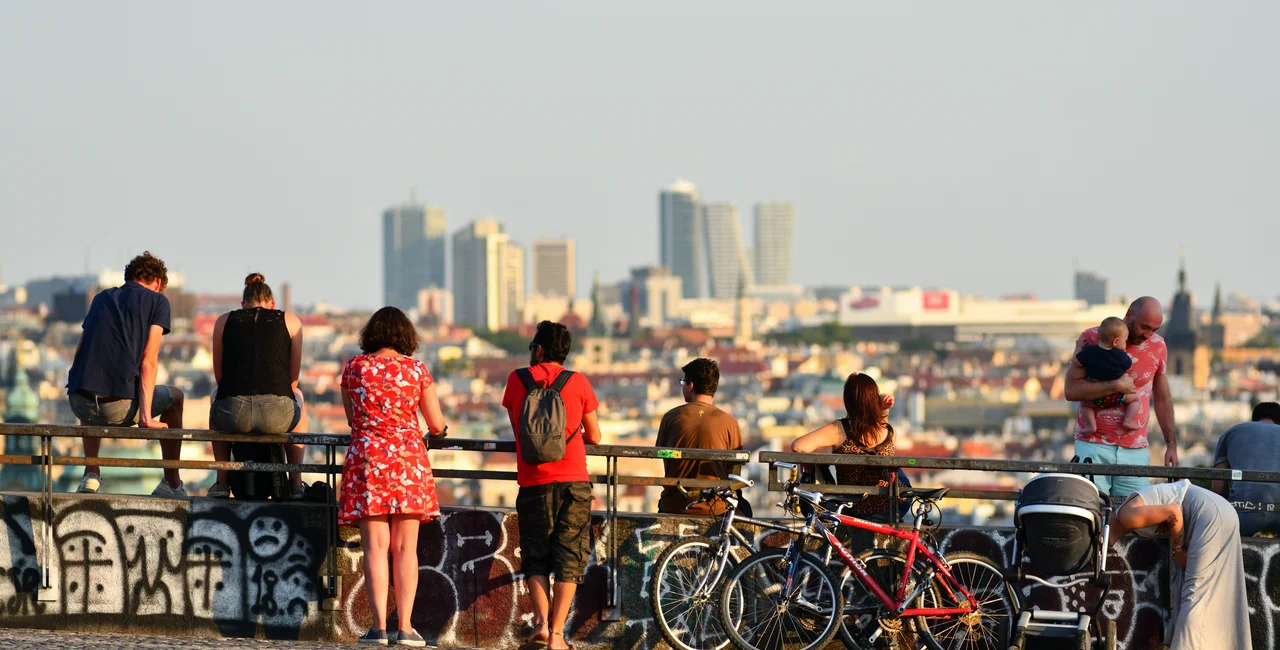

 Summary for: ‘Paris isn’t romantic’: European expats on what they wish Czechs knew
For six EU citizens who have spent between three and more than 20 years here, in Prague and Czechia, the reasons they came are not necessarily the reasons they stayed.
We spoke with residents from Germany, Romania, Greece, France, Sweden, and Slovakia about what brought them to Prague, how their relationship with the city has changed, what they find easier or harder here than elsewhere, and what still connects them to the places they left behind.
Their experiences differ, but questions about language, friendship, work, and belonging come up repeatedly. So does a broader question: how do you build a community and have a voice in the place you live when you don't always know where to begin?
Prague wasn't always the plan
For some, Prague was the result of a relationship. For others, it was work or study, or simply the place where opportunities appeared.
Lieselotte came to Prague from Germany almost 10 years ago because of her husband's work. When he retired, leaving was no longer an obvious next step.
“We decided to stay,” she said.
Cécile arrived from France much earlier, in 1999, because she had a Czech boyfriend. Although the relationship ended many years ago, Prague remained.
“I have a Czech child and a life here,” she said.

Ivka, from Slovakia, came to Prague for university 23 years ago. She found work in her field and gradually built a life around it. She also found friends and a more diverse environment than she had experienced in Slovakia, making returning less appealing.
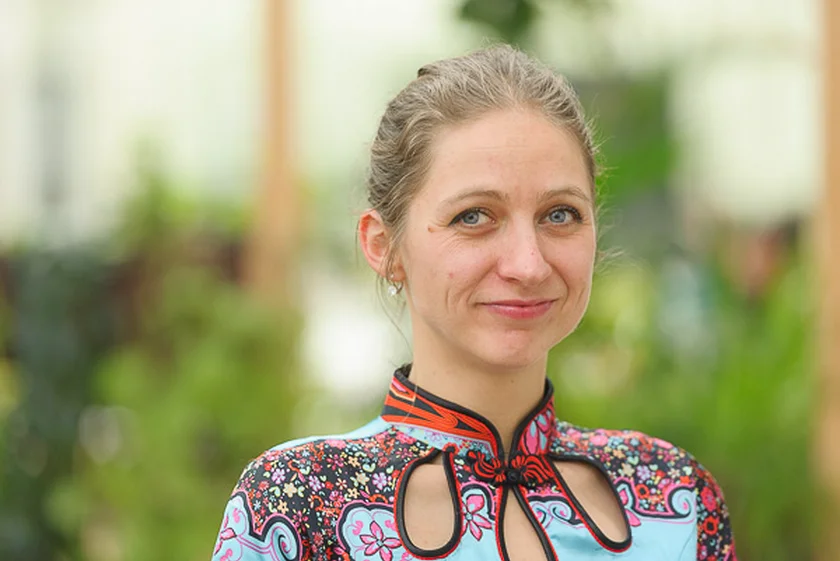
Today, with a child in shared custody, living in Prague feels natural.
For Marianna, Prague was connected to the Greek financial crisis. She came to the Czech capital 11 years ago, although she says she did not have very concrete plans for the future when she arrived.
Sorin, from Romania, has been in Prague for three years. He originally came for work and had once planned to move to the UK after studying in Brno. But the Czech job market offered the strongest opportunities, so he stayed.
He doesn't necessarily see Prague as a permanent destination. He is still watching the UK and waiting for what he considers better opportunities there.
Swedish respondent Anders* (a pseudonym) has lived in Prague for more than 15 years. After moving around Europe and living in several countries, he eventually ended up in Prague.

Living here isn't always the same as belonging
The longer someone stays, the more complicated the question of integration can become.
For Sorin, language remains a fundamental dividing line. He says that without Czech, genuine integration into Czech society is difficult, regardless of what other languages someone speaks or how much effort they make.
His own social circle is still largely international.
“I'm not that well integrated in the Czech society,” he said. “I mostly meet with foreigners and people interested in global and EU politics.”
For Cécile, the challenge has been less about practical life than about making social connections. Even after many years in the country, she describes meeting people and making friends as one of the hardest parts of living here.
She also sees a broader reserve toward foreigners, something she says can persist even after spending decades in Prague.

Ivka's experience has been different. She doesn't feel she went through a clearly defined “integration process.” Her Czech and international friendships developed naturally during university and later through work.
Being Slovak also gave her an advantage. The linguistic proximity between Czech and Slovak made it easier to move between the two cultures.
Still, she would like to see more openness toward difference.
She wishes people were more likely to see another culture as something to gain from rather than simply something that creates a gap between people.
Prague has its surprises
Not all of the differences between Prague and the places they came from are difficult ones.
For Lieselotte, one of the biggest surprises was how safe the city felt. She was also struck by how clean Prague was and by how well-behaved people generally were in everyday life.

Marianna found urban life easier than she had expected.
For Sorin, one of the pleasant surprises was intellectual rather than practical. He found a community interested in philosophy and bigger ideas, something he had not encountered during his university years in the smaller city of Brno.
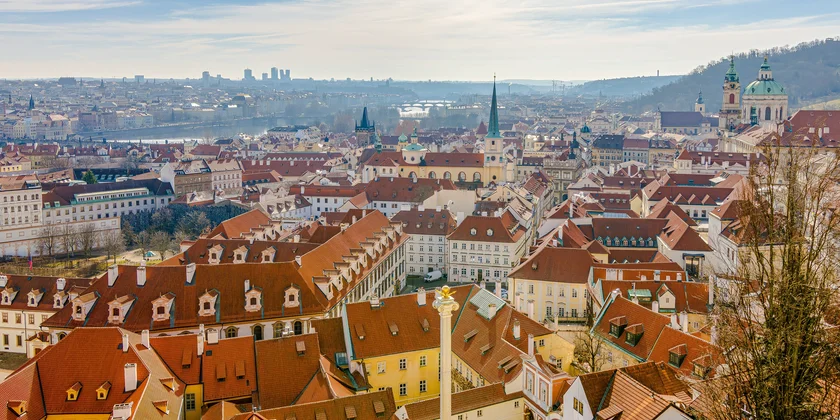
Ivka has discovered things about Prague that she particularly enjoys, including its theater culture. The downside is that popular performances can require bookings weeks in advance.
She also values Prague's close relationship with its Vietnamese community, which she describes as a genuine pleasure.
Not everything compares positively, however. Ivka considers Prague's cycling infrastructure less developed than that of other cities she knows.
Some things are harder to replace
For all the ways Prague has become home, there are still things the respondents miss from the places they came from.

Food is the most common answer. Three respondents specifically mentioned it, while another also said food was something she missed at times, although she added that Czech food is improving.
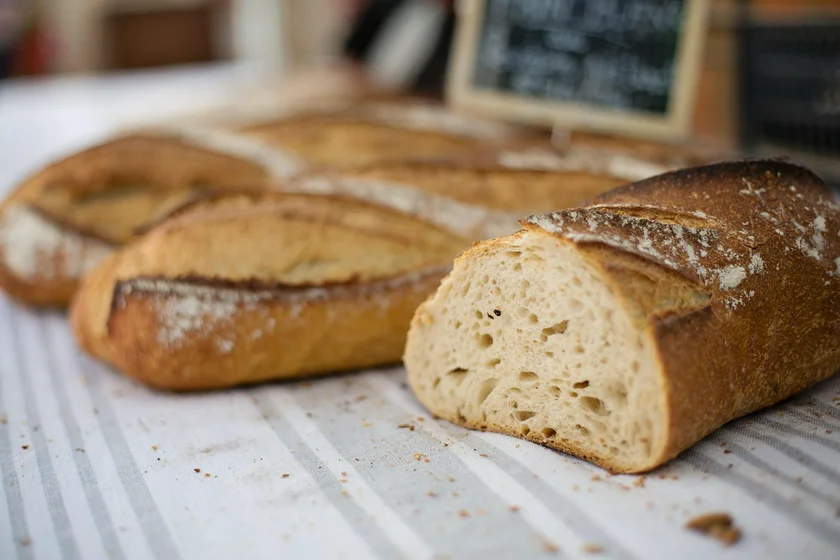
The other answers are more personal: Lieselotte misses bread and smiles; Sorin misses the sea; Anders misses the mountains and his best friend.
What they wish Czechs knew
The respondents also had some ideas about the assumptions Czechs make about their home countries.
Cécile has one particularly specific request: “I wish they stopped considering Paris to be a romantic city. It isn't.”

Marianna wants Czechs to know that “most of them work hard,” pushing back against stereotypes about Greeks.
The Swedish respondent, Anders, offered a more nuanced correction to perceptions of Sweden: “It's not so fantastic as they think, and lately that's also not as bad as some say.”
For Ivka, the issue is less about correcting a particular stereotype and more about how Czechs view people from other cultures. She would like to see more openness to “otherness” and for people to see another culture as a gift rather than simply a difference that needs to be overcome.
Voting is another question of belonging
The question of how much a foreign resident participates in local life also comes up in something much more practical: voting.
Among the six people interviewed, two are registered to vote in Czech municipal elections. Four are not currently registered, although one is considering doing so.
Lieselotte said she is in the process of registering and believes she still has time.

Marianna only recently learned that EU citizens can register to vote in Czech municipal elections.
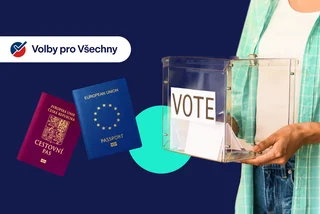
Prague Voting: The Essentials (Oct 9–10, 2026)
Who’s eligible: EU citizens (18+) with a Czech temporary or permanent residence certificate and a valid EU ID
How to register: Submit a written application to your district’s municipal office in person, by post, or via digital databox
The shortcut: Use the Volby pro Všechny English-friendly tool to auto-fill your form in minutes
Key deadline: Register as soon as possible, ideally at least two weeks before the election
Last-minute option: Register on the spot on election day only at the specific polling station for your address (must bring your EU ID and physical residence permit)
What you decide: Two ballots electing future mayors and deciding on housing, transport, schools, and parks for both Prague City Hall and your local district
Ivka is also considering registering, but says finding the time has been difficult alongside work, a child, friends and household responsibilities.
“I feel a growing need for myself to be part of decision-making also around my neighborhood,” she said, adding that she believes she will change her answer to “yes” soon.
Cécile and Anders are already registered.
Sorin, meanwhile, is not, something that reflects his own more complicated relationship with staying in Prague permanently. He says he does not plan to remain forever and continues to look toward opportunities in the UK.

For people who have lived in Prague for years or even decades, the decision to participate locally can therefore mean different things. For some, it is a natural extension of having built a life here. For others, the question of whether Prague is truly permanent remains open.
Finding a home without leaving the old one behind
There is no single route into life in Prague.
Some arrived because of love and stayed because of family. Others came for work or university and discovered opportunities that kept them here. Some have spent more than two decades building careers, friendships and families in the city, while others are still unsure whether Prague is where they will eventually settle.
Their answers also show that belonging isn't necessarily a clean break with what came before. Someone can miss the sea, mountains, bread, or food and still consider Prague home. Someone can build a Czech family while still feeling socially separate. And someone can live in the city for years while remaining open to the possibility of leaving.

For these six EU citizens, Prague has become home in different ways, but none of them arrived with the same idea of what that home would look like.
* Anders is a pseudonym; the respondent requested anonymity.