 Reading time: 4 minutes

 Summary for: Meet the ‘Czech Edison’: The man who lit up Prague, and electrified its trams
Before electric trams became part of Prague’s daily soundtrack, they were something people came to marvel at. In 1891, a short railway on Letná offered passengers a glimpse of a different kind of city: one where electricity could move people as well as illuminate buildings.
Behind it stood František Křižík, the engineer and entrepreneur whose name remains associated with Prague’s transformation into a modern capital.

A new exhibition at the National Technical Museum looks beyond his familiar “Czech Edison” nickname to explore the restless experimenter, family man and sometimes impractical businessman behind the achievements.
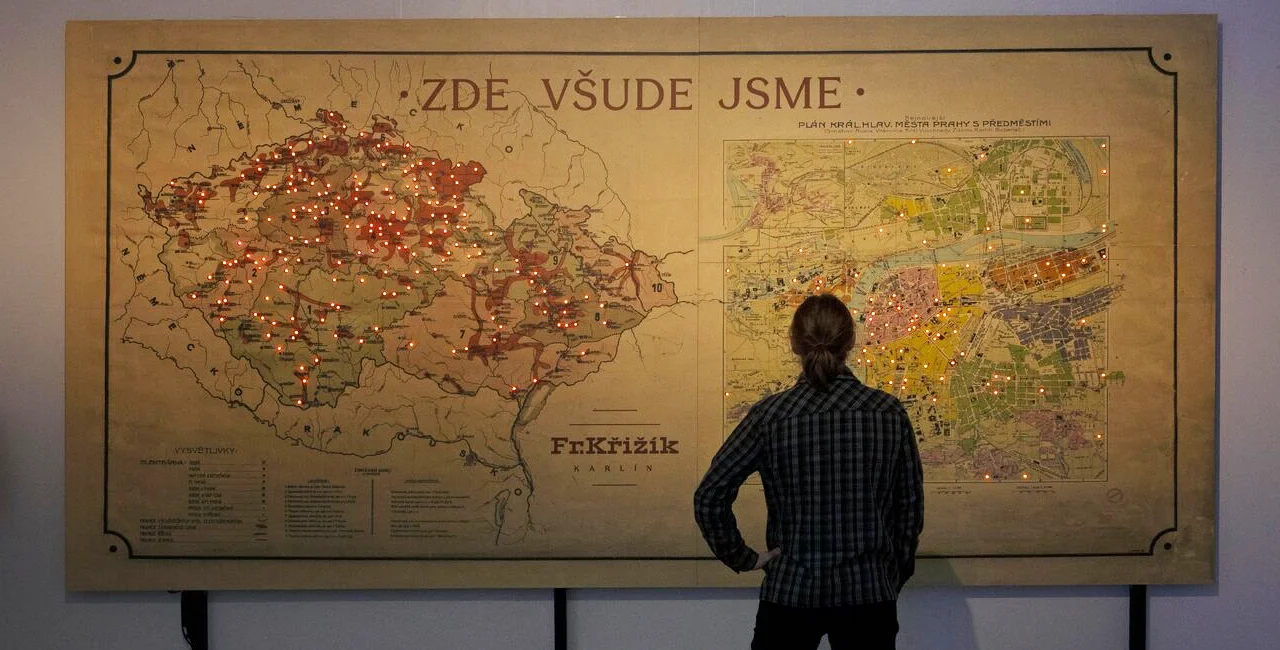
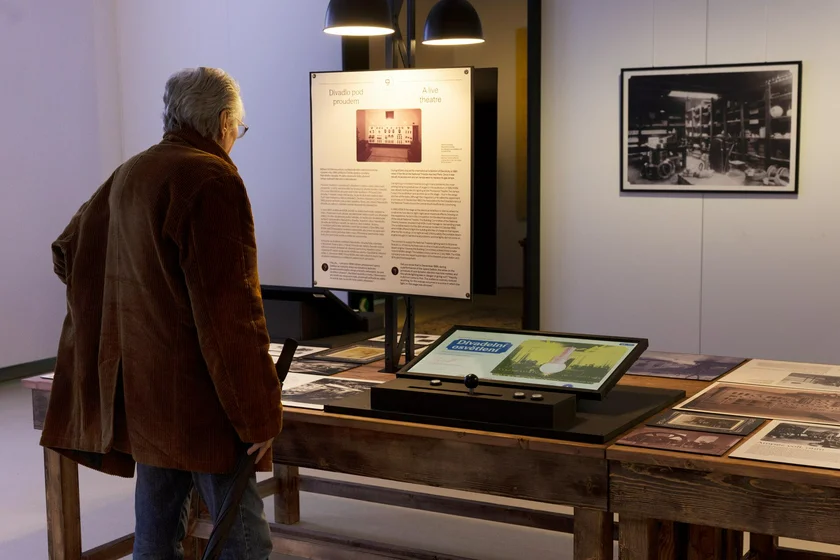
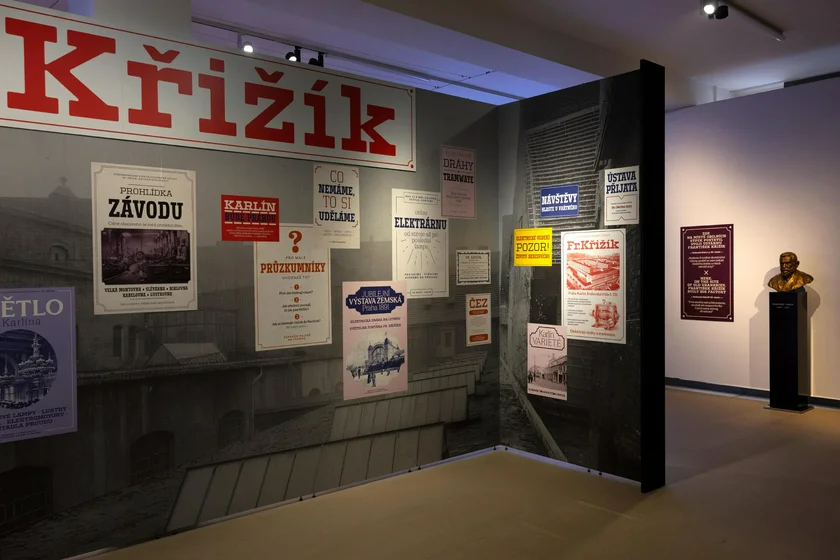
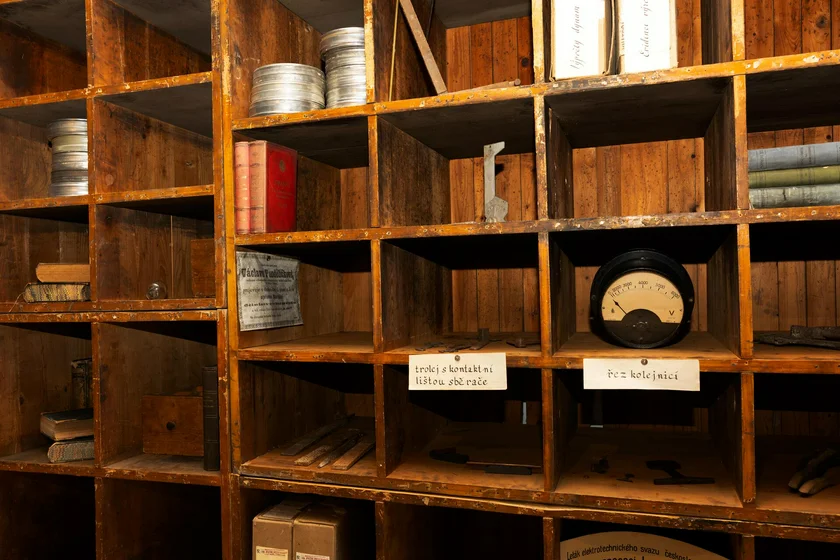
Opening Nov. 11, František Křižík: Knight of Electrical Engineering runs through Aug. 29, 2027, spanning next year’s 180th anniversary of his birth. Its setting is an imagined version of his Karlín factory, where visitors can explore the workshop and office of a man convinced that electricity would change everyday life.
From a shoemaker’s son to international recognition
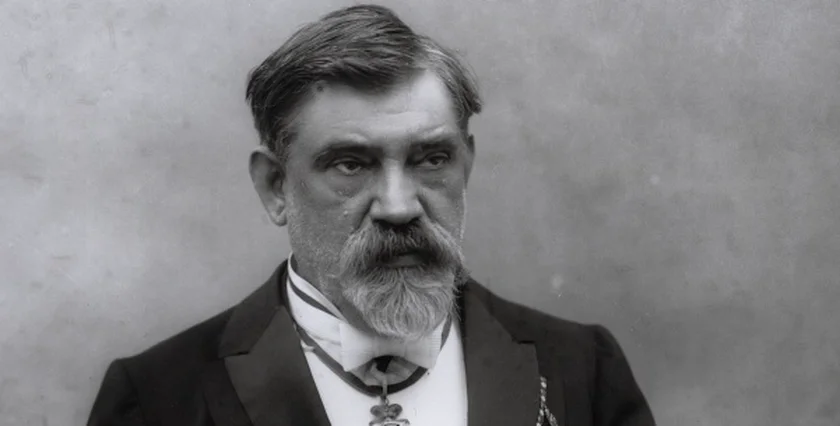
Born in Plánice near Klatovy on July 8, 1847—the same year as Thomas Edison—Křižík grew up in a family with limited means. His father was a shoemaker, and continuing his education required considerable effort.
According to the Czech Academy of Sciences Library, he supported himself through tutoring while studying in Prague. Unable to afford the fee for his school-leaving examination, he nevertheless attended the technical college as a nondegree student.
Practical experience proved decisive. Work with railway signaling and telegraph equipment gave him opportunities to identify problems and improve machinery.

A visit to the 1878 Paris exhibition introduced him to the electric lighting known as the Yablochkov candle. He subsequently developed an improved arc lamp, earning a gold medal at the international electrical exhibition in Paris in 1881.
Křižík did not invent electric lighting from scratch. His importance lay in refining technology and finding ways to put it to work.
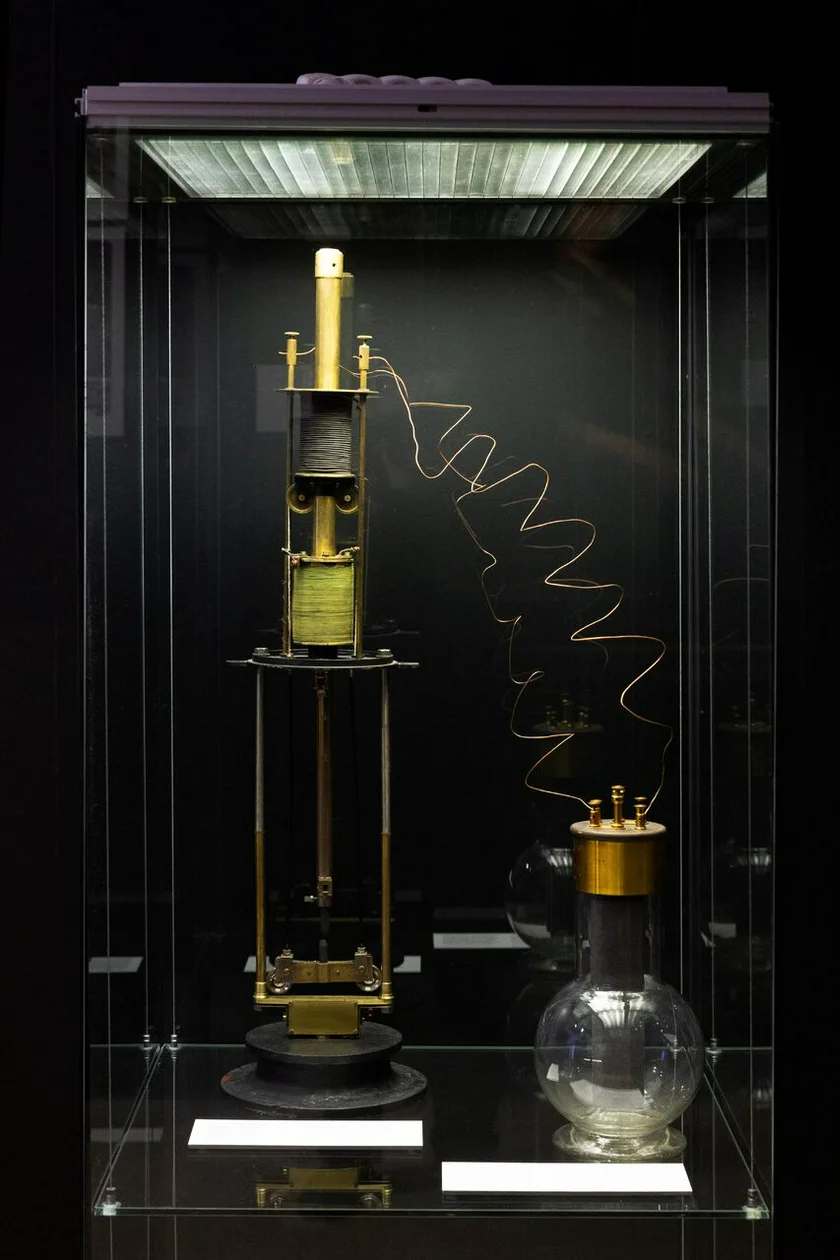
The new exhibition makes that process visible by displaying an arc lamp alongside a Yablochkov candle, together with his Paris medal. Rather than presenting innovation as a single flash of inspiration, it follows the work of testing, adapting and building.
The year Prague saw an electric future
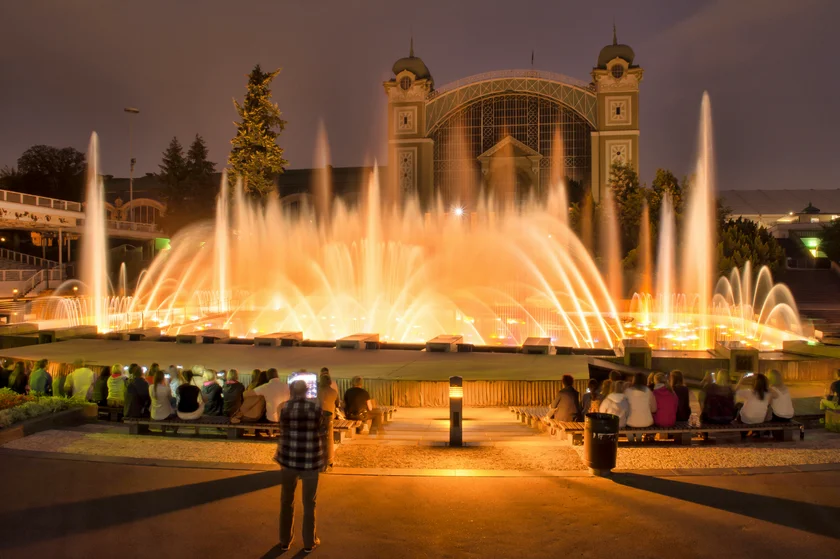
The 1891 Jubilee Exhibition brought several of Křižík’s ambitions together. His lighting illuminated the grounds, while his electrically lit fountain turned engineering into a public spectacle.
His tramway provided another demonstration. Prague already had horse-drawn trams, introduced in 1875, but the Letná line showed what electric traction could offer. It opened on July 18, 1891, and operated until 1900.
A more substantial undertaking followed in 1896, when Křižík opened the electric railway linking Prague with Libeň and Vysočany. Municipal electric services developed soon afterward, and the city began electrifying its horse-tram network in 1898.
Seen together, these projects explain his lasting importance. Electricity was becoming something residents could encounter in streets and public spaces, rather than only in demonstrations or industrial equipment.
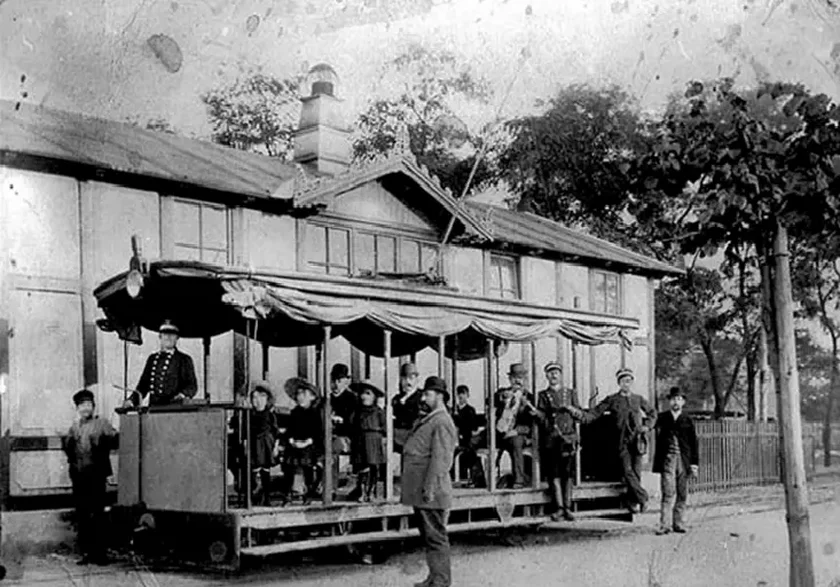
There is a particularly fitting connection with the exhibition’s location: his pioneering Letná railway crossed land where the National Technical Museum now stands.
A physical reminder resurfaced in 2025, when workers digging a sewer in nearby Ovenecká Street discovered an original rail. According to museum director Karel Ksandr, they contacted the museum, which added the fragment to its collection.
A restless engineer behind the respectable portrait
The exhibition also steps away from machinery to show Křižík’s private world. Portraits of him and his wife, Pavlína, appear alongside a commemorative bowl given to the couple for their golden wedding anniversary.

Curator and museum archivist Helena Cedlová describes someone who enjoyed driving, smoked cigars and launched himself into projects with little regard for their profitability.
That enthusiasm had consequences. In 1917, a bank-backed joint-stock company took over his business, bringing an end to his independent leadership of the enterprise.
The exhibition’s workshop setting reflects this complicated personality. Co-author Miroslav Kukrál describes an engineer who saw even a straightforward commission as an opportunity to experiment—an approach that could produce breakthroughs while making business more difficult.
One celebrated creation will require a separate journey. Elinka, the historic electric railcar associated with the Tábor–Bechyně railway, is not coming to the Prague exhibition.
Instead, the museum is preparing commemorative journeys between the two towns in 2027, working with Tábor’s Hussite Museum for the anniversary. Dates have yet to be announced.
For now, the Prague exhibition offers a closer look at how ambitious ideas became lamps, transport systems and a working factory—and at the personality that kept pushing those projects forward.

Visit the exhibition: František Křižík: Knight of Electrical Engineering runs Nov. 11, 2026–Aug. 29, 2027, on the second floor of the National Technical Museum, Kostelní 42, Prague 7. Find visitor information on the museum’s website.