 Reading time: 2 minutes

 Summary for: Lunchbox nation: Rising prices reshape Czech lunch habits
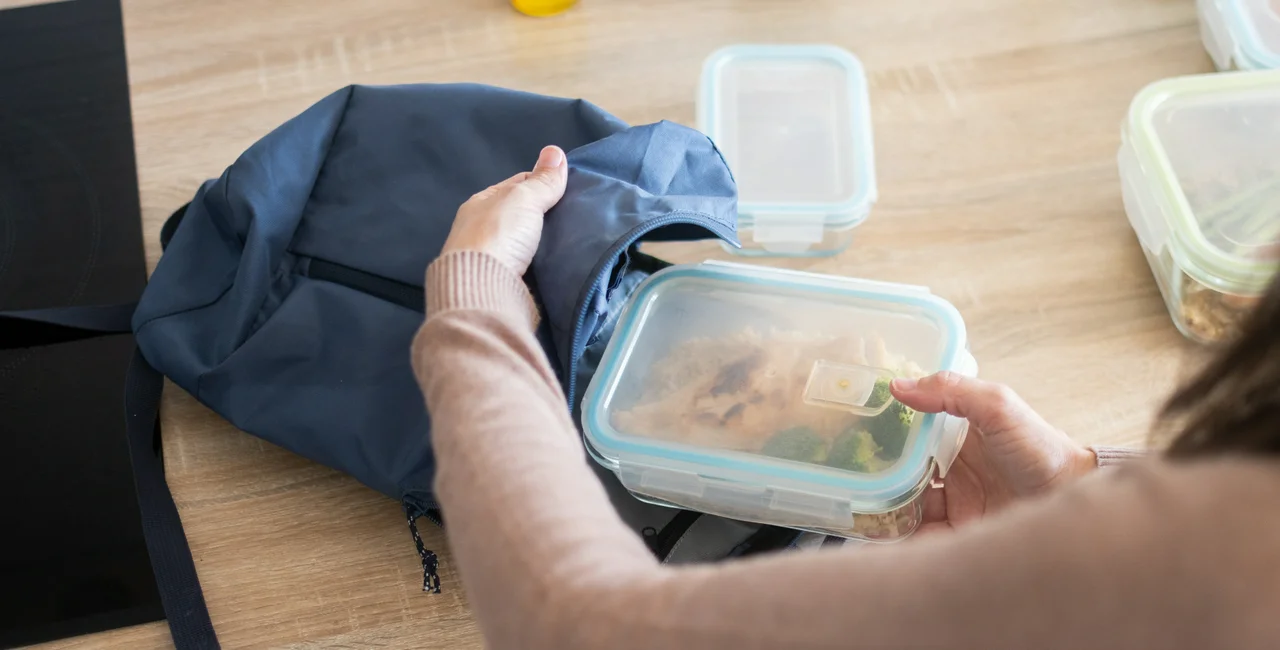
The homemade lunchbox is replacing the restaurant lunch for a growing share of Czech workers, as rising prices change what people eat—and whether they go out at all.
More than half of respondents now bring food prepared at home to work, compared with 9 percent in 2009, according to Edenred’s Food Barometer survey of 3,280 diners. The average restaurant lunch costs CZK 202.90, up 36.5 percent over five years.
Even those who still eat out are cutting back. Soup and drinks are increasingly being dropped from orders, while respondents also report wanting healthier meals with less salt and more fresh vegetables.
The lunch menu loses its regulars
Almost four in five respondents—78.4 percent—said they had reduced restaurant visits over the past year because of rising prices. More than half, 52.4 percent, described the reduction as substantial.
Among those watching their spending, 43.8 percent said they went without a drink because of the price, while 41.5 percent skipped soup.

The shift puts pressure on restaurants that depend on regular lunchtime customers, according to Tomáš Prouza, president of the Czech Confederation of Commerce and Tourism. He said falling lunchtime revenue was prompting businesses to increase menu prices, adding to the pressure on diners’ budgets.
Prouza also warned that fewer shared restaurant lunches could weaken social connections between colleagues.

The Edenred survey suggests Czech diners are particularly willing to cut restaurant spending. Asked whether higher prices would lead them to reduce visits, 89 percent said yes—seven percentage points above the international average.
Households are watching grocery spending, too. Approximately 68 percent of respondents said discounted products made up at least half their shopping basket. A quarter had switched to cheaper food brands, while a fifth had reduced purchases of premium or higher-quality products.
Diners want healthier food, despite tighter budgets
Cost-cutting has not erased interest in eating better. Almost half of respondents, 48.8 percent, said they were placing greater emphasis on a balanced diet than a year earlier, an increase of eight percentage points.

Fresh vegetables were the strongest preference: 81.4 percent expected them on their plate. Another 77.6 percent favored grilled or baked dishes over fried food, while 73.4 percent wanted less salt.
But finding an appealing lunch is also a practical problem. Around 40 percent cited insufficient restaurant options near work and a lack of time as obstacles to eating better.

Physician and nutritional epidemiologist Eliška Selinger said healthier choices needed to be easy to make, pointing to affordable options near workplaces, clearer labeling, less salt in prepared meals and enough time to eat.
Rising restaurant prices are prompting more Czech workers to bring homemade lunches to work. What do you usually eat for lunch on workdays?
The findings leave restaurants facing two demands at once: customers want to spend less, but they also expect fresh, balanced food. For an increasing number of workers, preparing a lunchbox at home is how they are trying to satisfy both.