
 Reading time: 2 minutes

 Summary for: Drought hits Czech vegetable harvest as some growers lose up to half their yields
Czech vegetable growers have suffered yield losses of 30 to 50 percent for some crops in the worst-affected areas this year, with the overall harvest expected to fall below previous seasons.
Prolonged drought and high temperatures caused the greatest difficulties, compounded by spring frosts and localized hailstorms, according to the Vegetable Growers’ Union of Bohemia and Moravia.

The losses vary considerably by region, crop and access to irrigation. The union’s estimate does not mean vegetable production nationwide has fallen by as much as half.
Summer crops bear the brunt of extreme weather
Extreme weather caused almost CZK 700 million in direct crop damage through mid-September, affecting 11 percent of the land planted with vegetables, the union said.

The total cultivated area also declined, falling by 447 hectares year on year to 11,824 hectares.
Drought and heat particularly affected crops intended for summer and early autumn harvesting, including cabbage and other brassicas, onions, peas, lettuce and beetroot.
“This year again confirmed how sensitive vegetable growing is as a sector,” union chairwoman Monika Nebeská told ČTK.

“Growers faced not only weather extremes but also higher costs for fuel, labor and, above all, operating irrigation systems,” she said.
Access to water was decisive. Warm conditions benefited fruiting vegetables where irrigation was sufficient, with peppers among the crops delivering high yields. However, some pepper production lost value because of damage to the fruit during sorting.
Autumn brought partial relief. Cooler weather, rainfall and a prolonged frost-free period extended the growing season, helping some late crops recover part of the earlier losses.
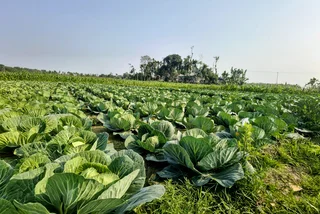
Late cabbage, other brassicas, spinach and some root vegetables performed better than growers had initially expected. Part of the harvest remains in the fields.
Rising costs squeeze growers’ finances
Lower yields have coincided with higher spending on irrigation, energy, fuel and labor.
Growers have limited scope to pass those costs on through selling prices, Nebeská said. The combination is particularly difficult for smaller businesses and producers of vegetables requiring substantial manual work.
The weaker season follows an improved harvest in 2025. Preliminary figures put last year’s commercial vegetable production at 229,899 metric tons, up 8.3 percent from 212,302 tons in 2024.
Favorable weather supported that recovery, although abundant vegetable supplies across Europe pushed prices down.
The number of commercial vegetable growers in Czechia fell by five last year to 395. The union said this reflected continuing consolidation within the sector.
Czech production covers approximately 35 percent of domestic vegetable needs, leaving the country reliant on imports for the remainder. The union has not yet provided a final nationwide production total for this year.