 Reading time: 2 minutes

 Summary for: Suspicious banana shipments tip Czech customs off to huge cocaine network
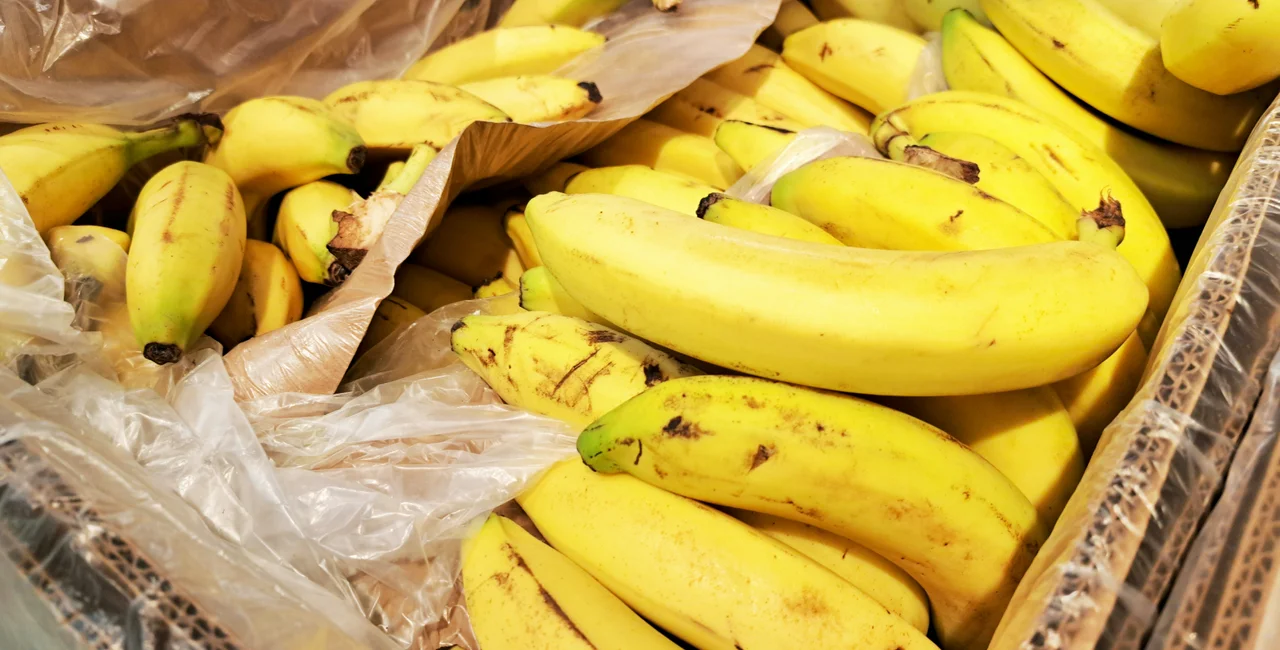
Suspicious banana shipments heading to Czechia helped expose an international network accused of smuggling tons of cocaine into Europe, investigators announced Thursday.
The case began when customs officers in Ústí nad Labem noticed unusually large consignments in 2021. Five years of investigation culminated Tuesday in 44 arrests and 84 searches across several countries.
PARTNER ARTICLE

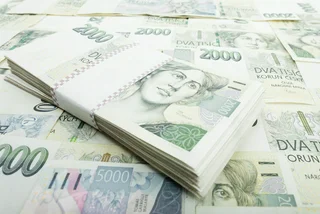
Czech officers carried out seven of those searches, seizing €1 million—approximately CZK 24.4 million—and another CZK 850,000 in cash.
Czech discovery grows into international investigation
Lukáš Starý, Czechia’s national member at the EU judicial cooperation agency Eurojust, said the initial work by North Bohemian customs officers was crucial.
“Without the customs officers from northern Bohemia, the case would not have been developed,” he told journalists in The Hague.

The Ústí nad Labem Regional Public Prosecutor’s Office began supervising the case after the suspicious shipments were identified.
Eurojust became involved in 2023, bringing Czech and Swiss representatives together. Investigators believed Switzerland was home to the largest number of people involved in the suspected organization. Germany later joined the joint investigation team.
Investigators established that cocaine was entering Europe through the Belgian port of Antwerp in quantities measured in tons, Starý said.
He argued that the lengthy investigation had allowed authorities to move beyond lower-level participants and identify those behind the operation.
Front companies allegedly concealed shipments
According to investigators, the organization established companies in Switzerland and the Netherlands that presented themselves as legitimate trading and import businesses.

Those companies allegedly provided cover for drug shipments arriving by sea from South America. The network is also accused of laundering criminal proceeds and using encrypted communications.
In August, authorities intercepted a shipment containing more than 850 kilograms of cocaine in Antwerp.
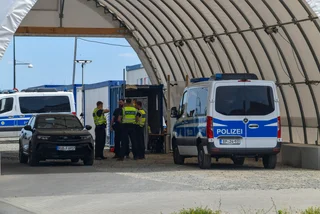
Tuesday’s coordinated operation resulted in arrests in Switzerland, Germany and other countries. Assets seized outside Czechia included more than 2.3 million Swiss francs, approximately CZK 61 million, cryptocurrency and 15 weapons.
Two of the 44 people arrested had operated in Czechia, according to Starý. He described them as brothers of Turkish origin.
One was detained in Greece and the other in Poland. Authorities are now addressing their extradition to Switzerland for criminal proceedings.
The arrests and seizures form part of an ongoing criminal case; the allegations against individual suspects have not been determined by a conviction in the proceedings described.
Eurojust, which coordinated the cross-border investigation, said maritime transport remained the most common route for moving drugs across the Atlantic into Europe.
The case illustrates how scrutiny of shipments destined for Czechia helped investigators trace a much wider operation across European borders.