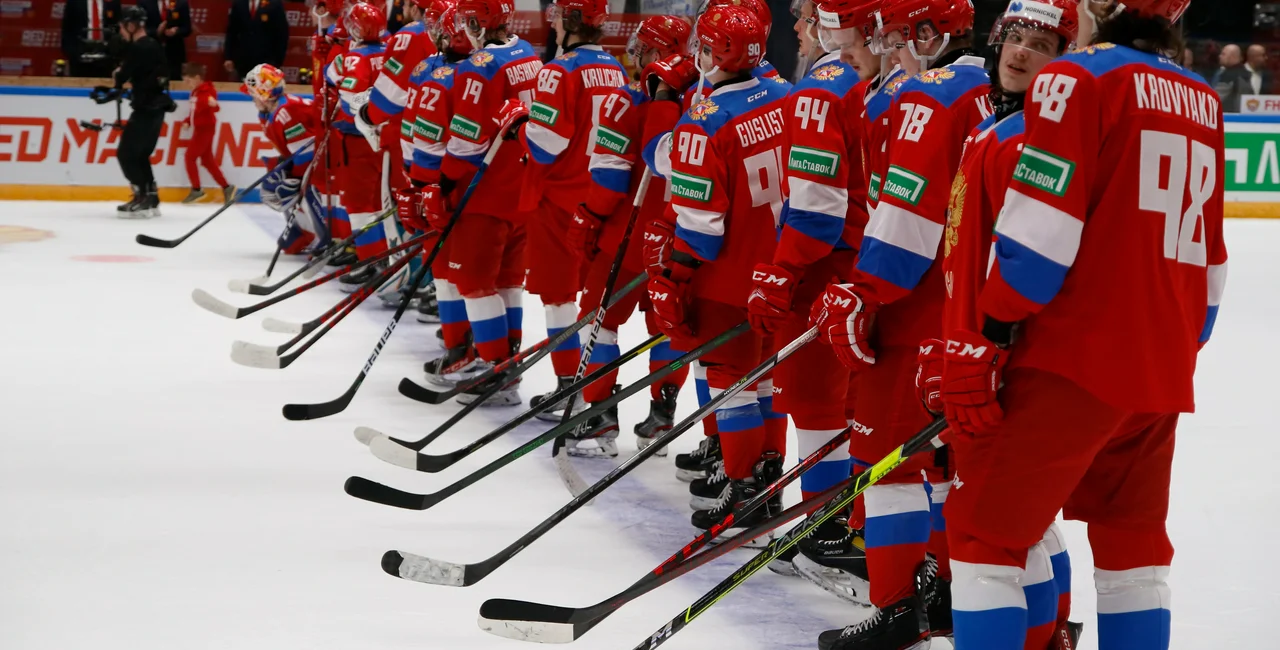
The Czech Senate has opposed holding sporting matches or tournaments involving Russian or Belarusian national teams and clubs in Czechia, citing Russia’s continuing war against Ukraine.
The position received support from 68 of the 72 senators present on Wednesday. It backs the government’s efforts to prevent Russian sporting delegations from entering the country and supports coordinated boycotts of matches against Russian and Belarusian teams.
PARTNER ARTICLE
The statement is a parliamentary position rather than a new law banning sporting fixtures.
Senators challenge Russian hockey’s return
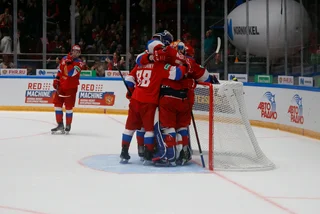
The Senate criticized the Court of Arbitration for Sport’s decision allowing Russian national hockey teams to return immediately to international competitions.
Senators argued that the decision failed to account for security risks and conflicted with efforts by democratic countries to isolate Russia over its invasion of Ukraine.
Their statement also said many Russian athletes were officers in the Russian military and that national sporting representation was used to promote the current regime.
The Senate welcomed the Czech Ice Hockey Association’s efforts to coordinate with other democratic countries on refusing matches against Russian and Belarusian teams.
It also called for practical support if that stance carries consequences for Czech players and clubs.
Specifically, senators asked the government to work with the National Sports Agency to provide full legal, diplomatic, and financial protection for Czech national hockey teams and clubs threatened with sanctions by international federations for refusing such matches at tournaments abroad.
The request concerns possible future sanctions; the announcement did not identify any already imposed.
January’s Ostrava tournament is a focus
The debate has immediate relevance for the women’s under-18 ice hockey world championship scheduled for January in Ostrava.
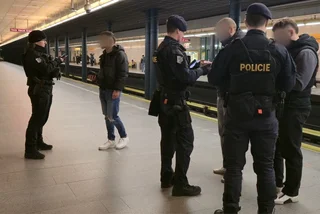
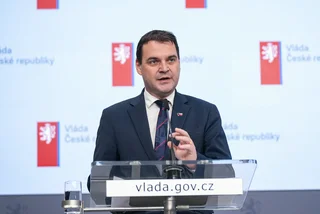
Interior Minister Lubomír Metnar said last week that Russian athletes would not be allowed to enter Czechia, including those arriving with visas issued by another European country. He said the policy would also apply to the Ostrava tournament.
Foreign Minister Petr Macinka has separately asked fellow EU foreign ministers not to issue visas to Russian hockey players that would enable them to participate in sporting events.
The Senate endorsed the government’s existing approach to Russian sporting delegations while setting out a broader objection to hosting both Russian and Belarusian teams.
Its statement also highlighted the impact of the war on Ukrainian sport. Senators cited 800 Ukrainian athletes killed, thousands seriously injured, and hundreds of thousands of children and young people unable to use sports facilities.
The chamber’s position combines support for entry restrictions with a request that Czech teams receive government backing if refusing to compete leads to disciplinary action abroad.