 Reading time: 2 minutes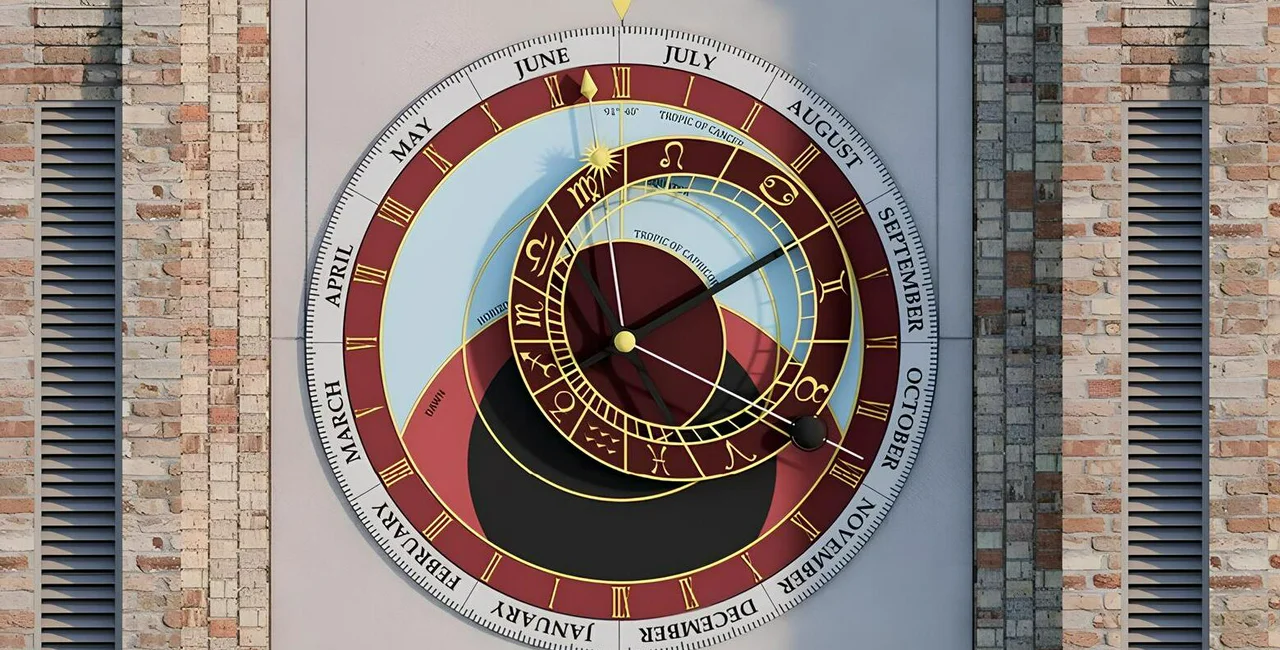

 Summary for: Czech president to unveil the US version of Prague's Astronomical Clock
In a symbolic ceremony, President Petr Pavel and his Slovak counterpart will today unveil a newly built astronomical clock – resembling Prague’s – in the U.S. state of Iowa, paying tribute to Czechoslovak immigrants who settled in the U.S.
Ordinary Czechoslovak workers and a wolfdog
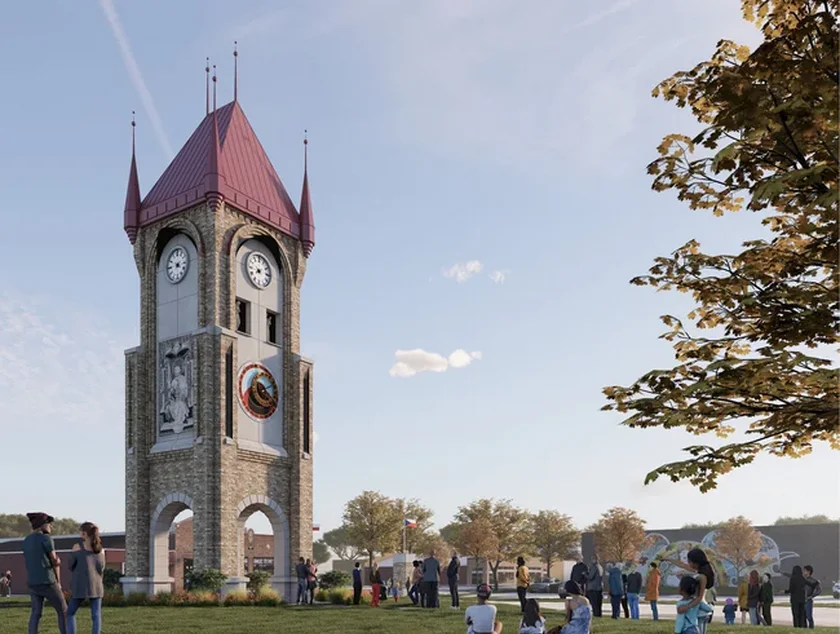
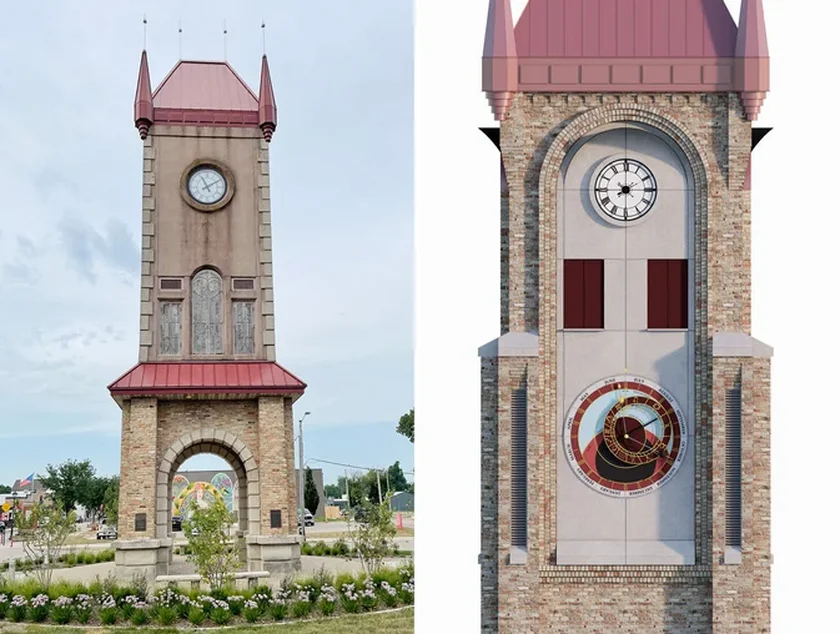
The clock, located in Cedar Rapids, is a replica of the 614-year-old Prague Astronomical Clock with a unique twist. Instead of apostles, 12 wooden sculptures of Czechoslovak immigrants will rotate through the windows, accompanied by the music of composers Antonín Dvořák and Bedřich Smetana. A Czechoslovak wolfdog will bark every quarter of an hour instead of the traditional rooster crowing.
The clock's installation marks the culmination of a 30-year goal for the National Czech and Slovak Museum and Library, celebrating its 50th anniversary this year. The museum's Vice President and COO, Dalibor Mikuláš, credited the project’s realization to a USD 250,000 (CZK 5.6 million) donation from Czech-born banker Ernie Bureš.
The clock honors the stories of Czechs and Slovaks who immigrated to Iowa in the late 19th century, establishing the largest Czech and Slovak minority in the U.S. The 12 sculptures, designed by Slovak sculptor Andrej Haršány, depict a cross-section of professions and types of people who founded the Czech Village, which still thrives today. These include a farmer, miner, banker, and butcher.
A city with strong Czech roots
The clock's unveiling is a testament to the strong cultural community in Czech Village, an area of Cedar Rapids, which has preserved the rich Czech-Slovak-Moravian cultural heritage. Several businesses, such as pubs and restaurants, have Czech-style names and serve Czech food an drink.

"In winter, there are very severe frosts here, even minus 25 degrees Celsius, and they could damage the internal mechanism of the astronomical clock," Jiří Lev, one of the clock designers, told Czech media outlet Deník N. As a result, the clock will stop operating on the symbolic date of Nov. 17, which is the Struggle for Freedom and Democracy Day. It will then resume in the spring.
The clock's construction cost USD 2 million (CZK 45 million), mostly raised through fundraising efforts. As the clock begins its life in the tower, it will serve as a symbol of cultural pride and a tribute to the immigrants who shaped the community, Mikuláš says.
Today’s meeting between the Czech and Slovak presidents comes almost exactly 30 years after Czech President Václav Havel and Slovak counterpart Michal Kováč met with then-U.S. President Bill Clinton in Cedar Rapids.