



 Reading time: 2 minutes

 Summary for: Czech PM rejects EU budget proposal, warning Czechia could lose CZK 78 billion
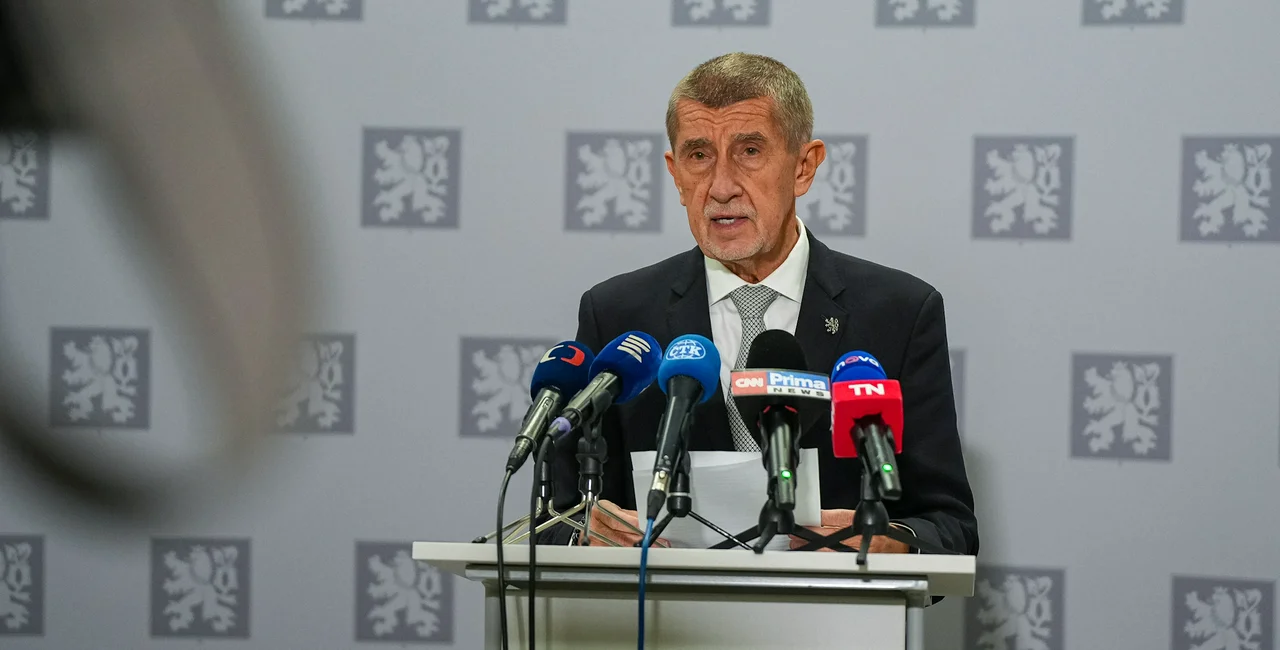
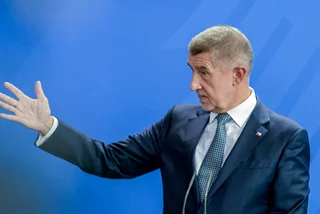
Prime Minister Andrej Babiš rejected the European Union’s proposed long-term budget Friday, saying Czechia would receive EUR 3.2 billion, or approximately CZK 78.2 billion, less than under current arrangements.
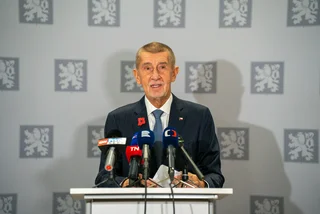
Speaking in Brussels after an extraordinary EU summit, Babiš said the proposal remained unacceptable and that negotiations had produced no progress toward an agreement.
PARTNER ARTICLE

Czechia is seeking more funding for cohesion policy, which supports poorer regions and aims to reduce economic and social disparities across the bloc.
Talks will continue at the EU summit on Dec. 17–18. European Council President António Costa wants an agreement before the end of the year, although substantial differences remain between member states.
Dispute over how EU money is distributed
Babiš’s main objection concerns the balance between funding allocated to individual countries and centrally managed EU programs.
According to the prime minister, member states receive 62 percent of funding under the current budget, with 38 percent going to central programs. Under the new proposal, the national share would fall to 46 percent.
Central programs support areas including research, education, digitalization and the environment. Applicants compete across the EU, unlike cohesion funding, where countries have predetermined allocations.
Babiš said Czechia receives only 1.28 percent of central program funding and argued that expanding those programs would favor larger, older member states.
He also criticized proposed increases in EU administrative spending. A group of 17 countries supporting cohesion policy, including Czechia, wants an additional EUR 7 billion to soften planned reductions in regional funding.
Babiš argued that the money could come from administrative expenditure. He expects Costa to present a revised proposal in the coming weeks but expressed skepticism about the prospects for a deal.
Ukraine funding adds another division
Support for Ukraine remains another point of contention.
Costa said after the summit that 24 member states supported a new EUR 45 billion loan to Ukraine. He did not identify the countries opposing it, although Czechia, Slovakia and Hungary have consistently objected to the proposal.
Babiš said there had been no substantive negotiations on Ukraine at the summit, though some countries had raised the issue. Further talks are expected.
Before the meeting, German Chancellor Friedrich Merz linked Germany’s approval of the next seven-year budget to a commitment from all 27 member states to share the cost of supporting Ukraine from 2027 onward.
Merz described that support as a matter of collective European security. Babiš again rejected the connection, arguing that the budget negotiations should focus on funding for EU member states and their citizens.
The Czech prime minister nevertheless acknowledged that Ukraine’s situation was serious and said Europe should play a more active role in efforts to resolve the conflict.