




 Reading time: 3 minutes

 Summary for: Czech news in brief for May 23: Saturday's top morning headlines
 Fatal stabbing highlights Czech school safety
Good morning, this is your Saturday Morning Mix. We start the day with a growing debate over safety in Czech schools, after police recorded hundreds of incidents since January and teachers warn of rising aggression and even fear of entering some classrooms. In travel news, Czechs are increasingly choosing to stay closer to home for their summer holidays, with domestic tourism rising sharply this year amid concerns about cost and global uncertainty.
This morning's top story
Fatal stabbing highlights Czech school safety
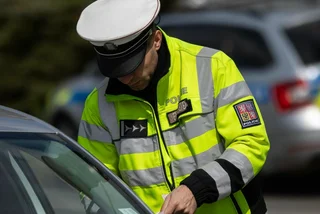
Police in Czechia have recorded 694 safety-related incidents at schools since January, including 204 criminal offenses, according to the National Counter-Terrorism, Extremism and Cybercrime Centre. Education experts and school leaders say violence and threats in schools are increasing, with some teachers reportedly afraid to enter certain classrooms due to aggressive pupils and, in some cases, parents.
What is happening in schools: Officials and principals point to rising behavioral problems, including threats, assaults, and substance use among students. School leaders say many incidents stem from worsening mental health among children and a lack of adequate support systems, including school psychologists and trained security staff.
Why it matters: The data shows a sharp rise in violent crime at schools. Principals say they feel unsupported and lack tools to manage dangerous situations, calling for stronger legal powers, funding for security measures, and faster access to psychological care.

More top headlines
Sudeten German Cultural Awards presented in Brno
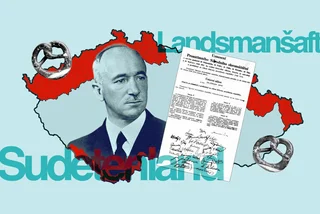
The Sudeten German Cultural Awards were presented Friday evening in Brno to two women and two men during the Sudeten German Days, which are being held outside Germany for the first time in the event’s 76-year history. The grand prize went to writer Petra Laurin, who focuses on the history and folklore of Germans from the Jizera Mountains and has published bilingual works on the region’s heritage.

The message: Bavarian minister Ulrike Scharf said the Brno gathering signals reconciliation between Czechs and Germans, calling it proof that “where there were ditches, there are bridges.” The event takes place against a historically sensitive backdrop, but organizers frame it as a cultural rather than political meeting.
Czech state considers selling explosives company
The Czech state is considering the sale of Explosia, a Pardubice-based manufacturer of gunpowder and explosives, Prime Minister Andrej Babiš said after visiting the company. He supports the idea of a sale, arguing that proceeds could help fund NATO-related defense commitments.
The political clash: Opposition figures, including former defense minister Jana Černochová, said selling a strategic defense manufacturer during heightened global security tensions would undermine Czech resilience.
News you can use
Czechs favor domestic trips for summer holidays

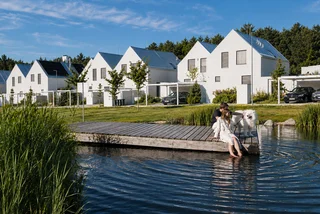
More Czechs are planning to spend their summer holidays in Czechia this year, with 77 percent opting for domestic travel, up 12 percentage points from last year, according to a CzechTourism survey. Interest in foreign holidays has meanwhile dropped sharply. Nearly one-third of respondents said the conflict in the Middle East has pushed them toward closer and safer destinations, while rising travel costs are also shaping decisions.
Where people are going: South Bohemia, South Moravia, and the Moravian-Silesian region are among the most popular domestic destinations this summer. Nearly half of travelers plan to visit places in Czechia they have never been to before.
Prague event marks Operation Anthropoid
A multi-day event marking Operation Anthropoid began Friday at Prague’s Ládví Cultural House, ahead of the May 27 anniversary of the assassination of Nazi official Reinhard Heydrich. The program includes lectures on the anti-Nazi resistance, historical reenactments, film screenings, and exhibits tied to the Czech and Slovak paratroopers involved in the 1942 mission.
Why it matters: Organizers say the event aims to counter growing online claims that the assassination unnecessarily caused civilian deaths through Nazi reprisals, including the destruction of Lidice and Ležáky.