Coal comfort: Viral black fried cheese honors Czech mining history

A jet-black take on Czech fried cheese has drawn diners from across the country while paying tribute to Stonava’s recently closed coal mines.

Expats.cz Staff

Written by Expats.cz Staff Published on 26.09.2026 14:44:00 (updated on 26.09.2026) Reading time: 3 minutes

A restaurant in the Moravian-Silesian village of Stonava has transformed one of Czechia’s most familiar comfort foods into a tribute to the region’s fading mining industry. And an unexpected viral sensation.

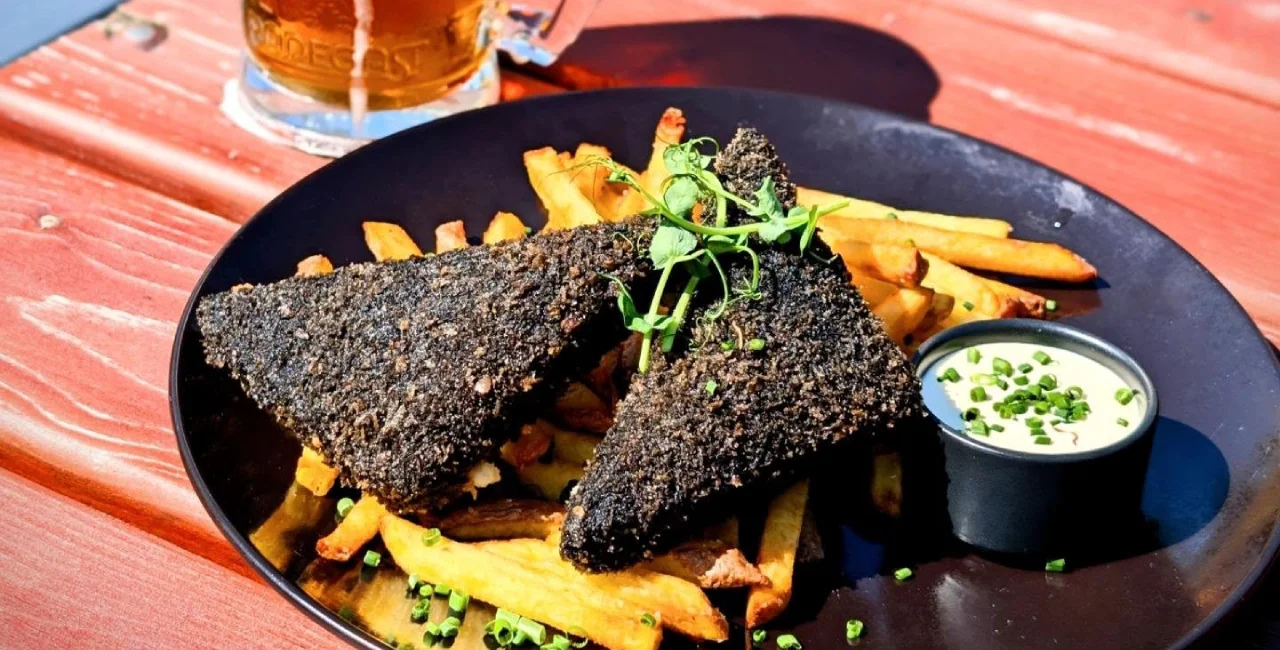
The Havířský smažák, or Miner’s Fried Cheese, looks less like the familiar golden Czech pub staple and more like a piece of coal freshly pulled from the ground. Beneath its jet-black panko crust, however, is melted Gouda served with fries cooked in beef tallow and homemade tartar sauce.

The unusual dish has drawn diners from across Moravia and nearby Poland. Restaurant PZKO has reportedly sold more than 1,000 portions since introducing it less than a month ago.

A Czech classic goes underground

Chef Jan Mikeš, 33, created the dish after the restaurant began looking for a popular meal that could also reflect Stonava’s mining heritage.

The connection is particularly timely. Miners brought the final cart of black coal out of the ČSM mine in Stonava on Feb. 4, marking the end of active extraction in a region shaped by the industry for generations.

“We wanted something on our menu to be connected with mining—because where else?” Mikeš told iDNES.cz.

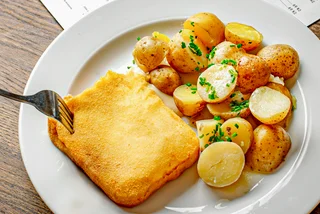
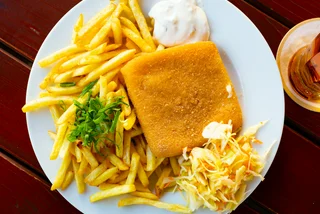
His answer was smažený sýr, commonly shortened to smažák: a thick slice of cheese coated in flour, egg and breadcrumbs before being deep-fried. Frequently accompanied by fries and tartar sauce, it is a fixture of Czech pubs, cafeterias and fast-food stands—and a dependable meat-free option for visitors navigating a traditional menu.

The Stonava version retains the familiar flavor but replaces the usual golden coating with a coal-black crust. Mikeš insists that the effect comes from a natural ingredient rather than artificial coloring, but he is keeping the precise recipe secret.

That secrecy has helped fuel curiosity online, where commenters have compared the dish to a coal briquette, burned shoe leather and breaded charcoal.

Some diners initially fear that the coating will taste odd. Adam Sikora, who traveled from nearby Havířov to try it, said those concerns quickly disappeared.

“Honestly, at first I was worried it might be burned and bitter,” he said. “But no—it was really excellent. And a very unusual masterpiece.”

Food tribute to a disappearing industry

The black cheese is part of a broader attempt to preserve Stonava’s mining identity after the closure of the surrounding pits.

The municipally owned PZKO cultural center and restaurant has been decorated with dark curtains, tablecloths in traditional mining colors and miniature mine carts used as tabletop decorations. Pictures depicting miners and collieries line the walls.

“The mines have closed, so we’ll cook miners’ food,” restaurant operator Martin Horecký said.

While the dish was conceived partly as a promotional idea, its popularity has exceeded the restaurant’s expectations. Guests have reportedly traveled from Brno and Poland specifically to order it, while one customer made the journey by bicycle from Ostrava.

Mikeš said social media reactions are divided largely between those who have only seen photographs and those who have actually tasted the food. Online viewers sometimes assume the cheese has been badly burned, while diners have generally praised its conventional flavor beneath the theatrical appearance.

The chef is already considering expanding the theme with a “black miner’s trio” made from three different cheeses.

For now, the original Havířský smažák offers an edible reminder of an industry disappearing from the Czech landscape: black on the outside, comfortingly familiar within. And a little easier to chew than a lump of coal.

Did you like this article?

Want to see more from us? Select Expats.cz as a preferred source on Google.