



 Reading time: 3 minutes

 Summary for: Candles, cherry branches and devils: A guide to Czech Advent traditions
The first candle on the Advent wreath will be lit in Czech homes and churches on Sunday, Nov. 29, beginning a countdown punctuated by baking, flowering branches and a visit from a bishop accompanied by a devil.
Advent is the Christian season of preparation for Christmas, taking its name from the Latin word for arrival. In Czechia, its customs bring together church observances, household rituals and regional folklore. Some remain familiar parts of December; others survive mainly in particular communities or presentations of folk traditions.
PARTNER ARTICLE
For newcomers, knowing the dates helps explain why the Christmas season seems to have several different beginnings.
Four candles, four Sundays
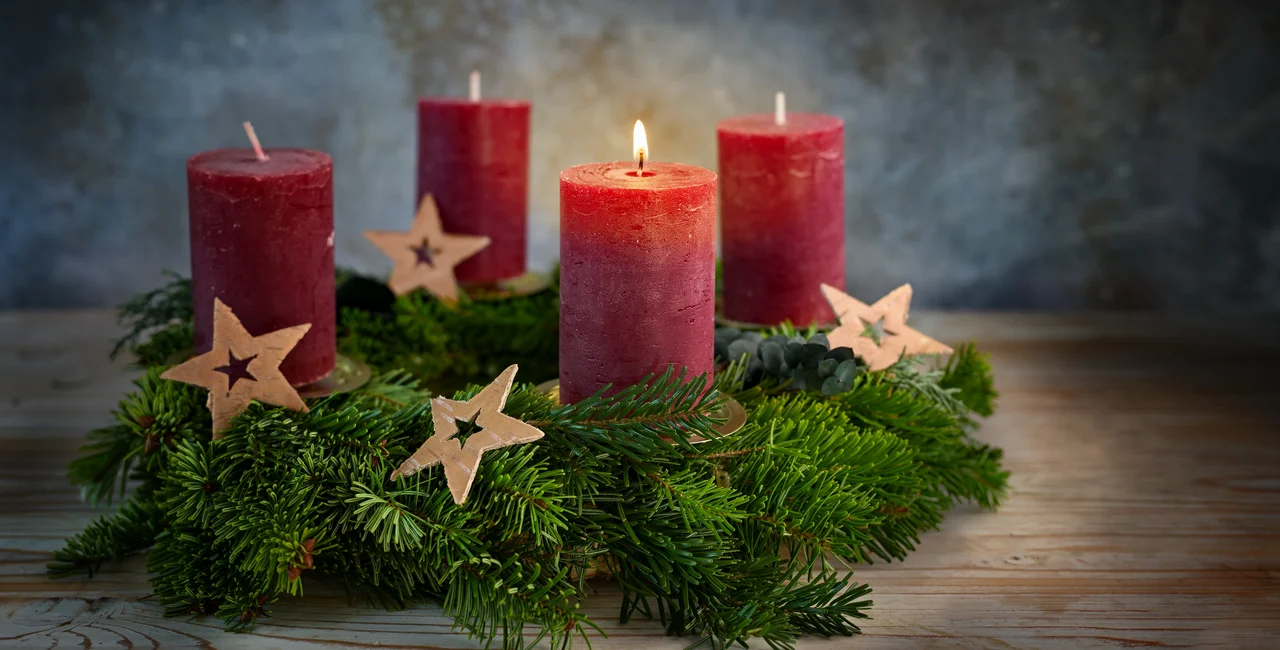
The adventní věnec, or Advent wreath, is the most visible household countdown. One candle is lit on the first Sunday, two on the second, and so on until all four are burning.
This year, the Sundays fall on Nov. 29, Dec. 6, Dec. 13 and Dec. 20. The chocolate calendar usually starts separately on Dec. 1: Advent itself follows the church calendar and begins on a different date each year.
The evergreen wreath has roots in German tradition and is a relatively recent addition compared with older masked processions. Its candles have become a familiar part of Czech Christmas preparations.
You may also hear the Sundays called železná, bronzová, stříbrná and zlatá—iron, bronze, silver and gold. Czech Radio traces these metallic names to commerce and Christmas shopping; they are popular labels rather than formal church names.

Baking begins before the holiday
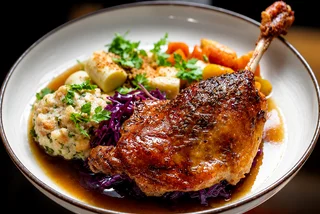
Advent is also the working season for vánoční cukroví, the small cookies that fill Christmas plates. Familiar varieties include vanilla crescents (vanilkové rohlíčky), jam-filled Linzer cookies (linecké) and decorated gingerbread (perníčky).
The early start has a practical explanation: some varieties need time to soften or develop their texture. Recipes and the choice of which kinds to make differ between households, making the preparation itself part of the family ritual.
Dec. 4: Bring home a barborka
On St. Barbara’s Day, the custom is to cut a branch from a cherry or sour-cherry tree and place it in water indoors. The twig is called a barborka.
According to the National Museum’s account of the tradition, an unmarried girl whose branch flowered by Christmas Eve could expect to marry the following year. Today, the custom also offers the prospect of fresh blossoms in the middle of winter.

The name once belonged to masked visitors, too: white-clad Barborky brought small gifts and reprimanded children. Those processions have become much less widespread than the flowering-branch custom, however.
Dec. 5: Mikuláš makes his rounds
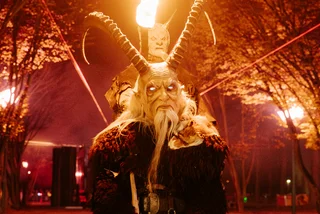
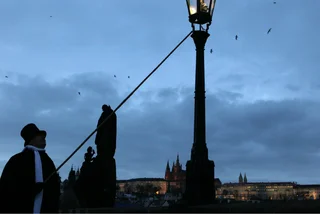
The evening before St. Nicholas’s feast brings one of Czechia’s most recognizable December sights. Mikuláš, dressed as a bishop, arrives with an angel and a čert, or devil.
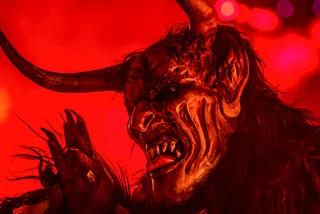
Children traditionally recite a poem or sing in exchange for sweets and small gifts. The trio visits homes and appears in public squares and at organized events. This year, Dec. 5 falls on a Saturday.
Mikuláš has his own role in the calendar. The main Christmas presents arrive on Dec. 24, traditionally brought by Ježíšek, the baby Jesus.
Dec. 13: Remember the mysterious lucky
St. Lucy’s feast preserves a stranger side of Advent folklore. The lucky were masked women, often dressed in white sheets, who visited households around the saint’s day.
Their appearance and behavior varied by region. Ethnographic records describe figures carrying feathers, spindles or wooden spoons, inspecting work and cleanliness, frightening children and sometimes communicating through hissing or growling.
These were regional customs, with some processions preserved in eastern Moravia. They help explain why older Czech Advent traditions include so many unsettling visitors alongside the familiar angel and devil.

Hear Advent before sunrise
Another continuing tradition is roráty: early-morning Advent Masses associated with old devotional songs, often celebrated before daylight and by candlelight.
The name comes from the Latin opening words Rorate caeli. For those interested in the religious and musical roots of the season, these services offer a quieter way to experience Advent. Check individual parish schedules for current times.

Make room for generosity
A modern Czech Advent ritual unfolds on television. Czech Television’s charity concerts return for their 36th edition this year, broadcast on ČT1 each Advent Sunday at 5:30 p.m.
The first, on Nov. 29, comes from Prague’s Břevnov Monastery and supports Malyna Via’s work with children with disabilities and their families. Later broadcasts come from Kutná Hora, Rožmitál pod Třemšínem and Prague’s Strahov.
It is another way to mark the four Sundays: a regular gathering built around music, anticipation and helping someone else.