



 Reading time: 4 minutes

 Summary for: Beyond the classroom: Extracurricular benefits every expat parent should know
After-school clubs, known as kroužky, are a big part of Czech school life. They provide an easy way for kids to make friends, try new activities, build confidence, language skills, and a genuine sense of belonging. These activities aren’t just “nice extras” however; research and experiences show that they can make a real difference in how students thrive at school.
For expat families in particular, these extracurricular programs provide an added layer of support that can transform a child’s integration process. Understanding why these activities matter beyond the classroom can help your kids feel at home in a new city and cultural environment.
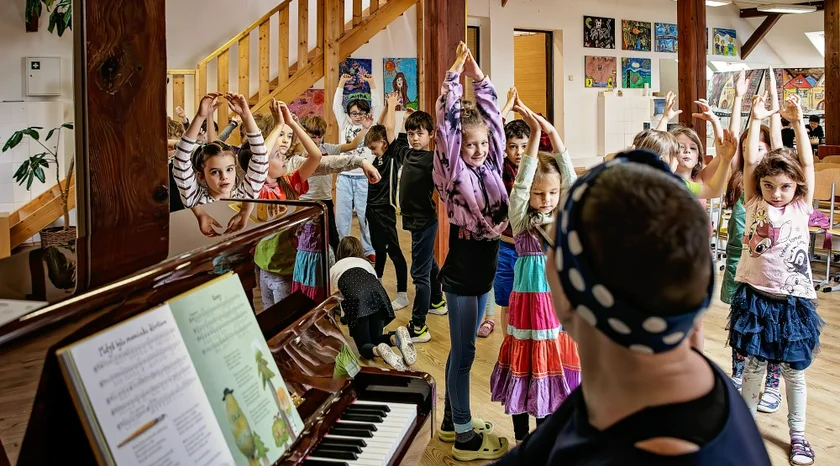
Some schools, like Cesta k úspěchu in Prague’s Břevnov neighborhood, take a more holistic approach, offering a variety of activities that complement their personalized and community-focused academic approach. Here’s how these extracurriculars can support students not just academically, but also socially, emotionally, and creatively.
Why extracurricular activities really matter
When kids feel good about themselves and their place in the school community, learning in the classroom becomes easier, more enjoyable, and more meaningful. “Experiencing diverse activities early on helps children understand their strengths and passions, which can guide their future academic and personal choices,” says Dr. Stanislav Svoboda, founder and CEO of Cesta k úspěchu.
The research supports this: studies show that structured activities help children build confidence, feel more connected, and develop skills that extend well beyond school, while also supporting stress management, emotional regulation, memory, and problem-solving.
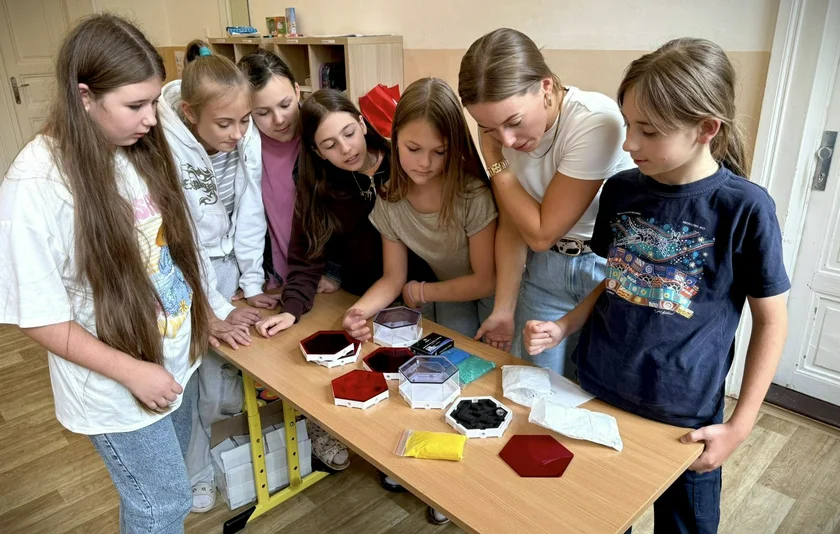
In Czechia, the Ministry of Education reflects this evidence in practice, backing national programs that support clubs, sports, and other structured activities to keep children engaged, encourage healthy interests, and reduce risky behavior.
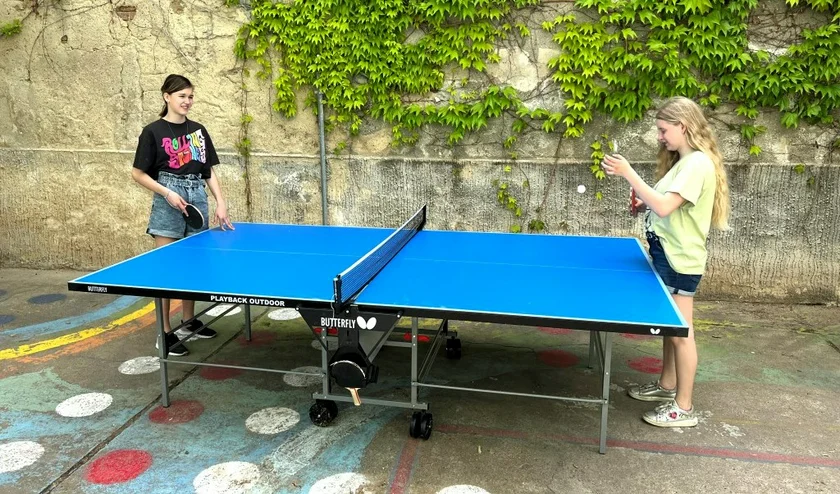
Cesta k úspěchu offers a diverse afternoon program that ranges from extended language lessons to sports games, dance, self-defense, music, drama, art, ceramics, chess, and introductory programming and 3D printing. These are conveniently available on campus in an environment students know well and feel comfortable in, and which don’t require extra transport or involvement from parents until it’s time to go home.
These experiences are especially beneficial for students of expat families, who often seek a safe space for children to try new things, discover hidden talents, and explore their interests. Svoboda adds that “beyond skill-building, these activities also support social integration, cultural adaptation, and emotional well-being, making the transition to a new country smoother and more positive.”
Supporting talents without pressure
When children are encouraged to try different extracurriculars over time, they learn what they enjoy and where their strengths lie before they’re asked to specialize in a subject.
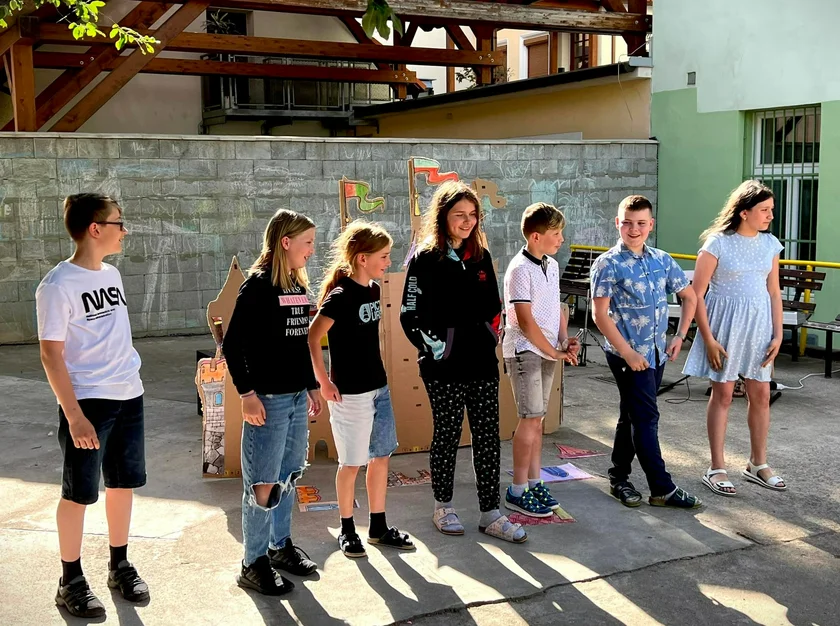
That’s exactly why Cesta k úspěchu designed its clubs to be interest-led. Each club is a natural extension of what makes the school unique. They build on the existing educational approach, providing space for activities that would not be possible in regular classes.
For example, students usually participate in math and skills olympiads because they are genuinely interested in the subjects, and the confidence they gain from competitions often carries into the classroom.
By connecting a child’s personal interests with structured challenges, schools can create a positive feedback loop where growth in one area reinforces success in others,” Svoboda emphasizes.
Parents elsewhere often push their children into structured test preparation classes, and the results vary. But many students intrinsically enroll in these through Cesta k úspěchu, where they can test their abilities, practice problem-solving, and experience progress before the looming rigorous gymnázium entrance exam.
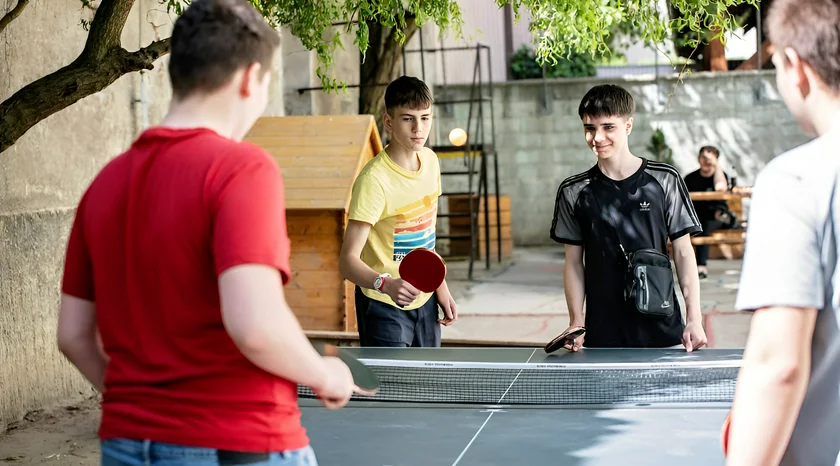
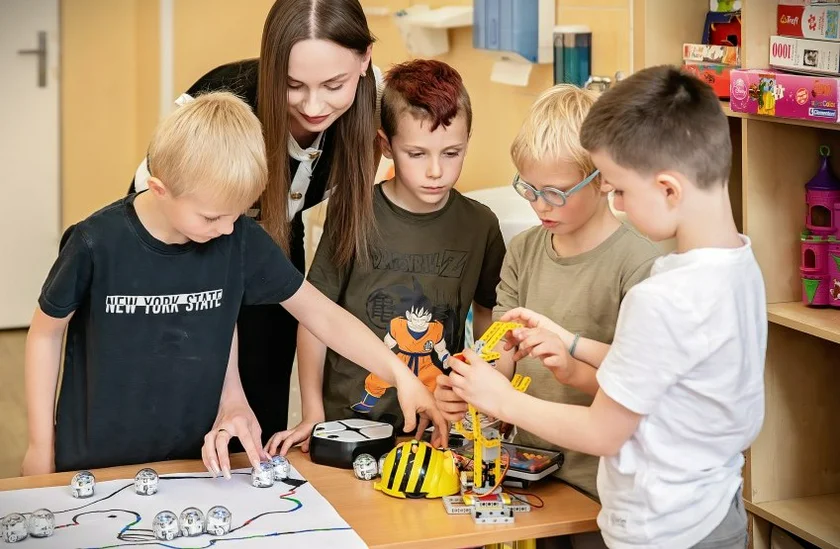
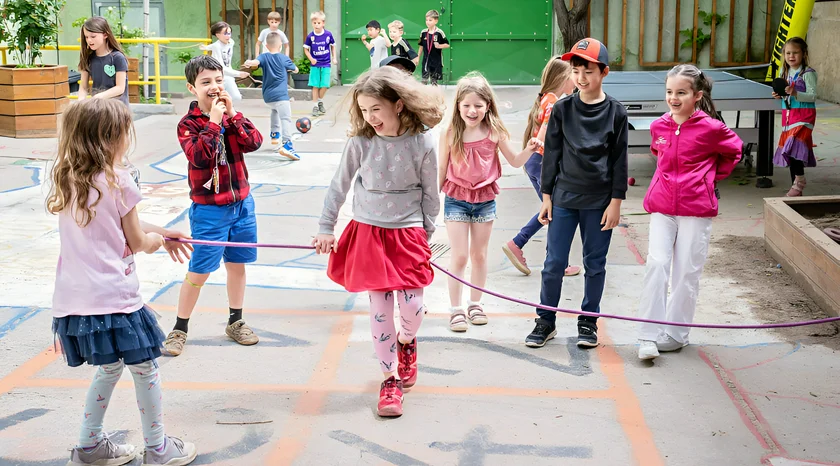
This approach helps them find the right balance in a non-competitive environment, so that an after-school activity feels more like a choice rather than an expectation.
Why life outside the classroom matters just as much
Some of the most enduring life lessons happen outside of classrooms and lecture halls. Daily outdoor activities, trips, cultural experiences, and hands-on projects all contribute to the learning experience. They foster social skills, teamwork, and emotional resilience, which improve participation and collaboration during class.
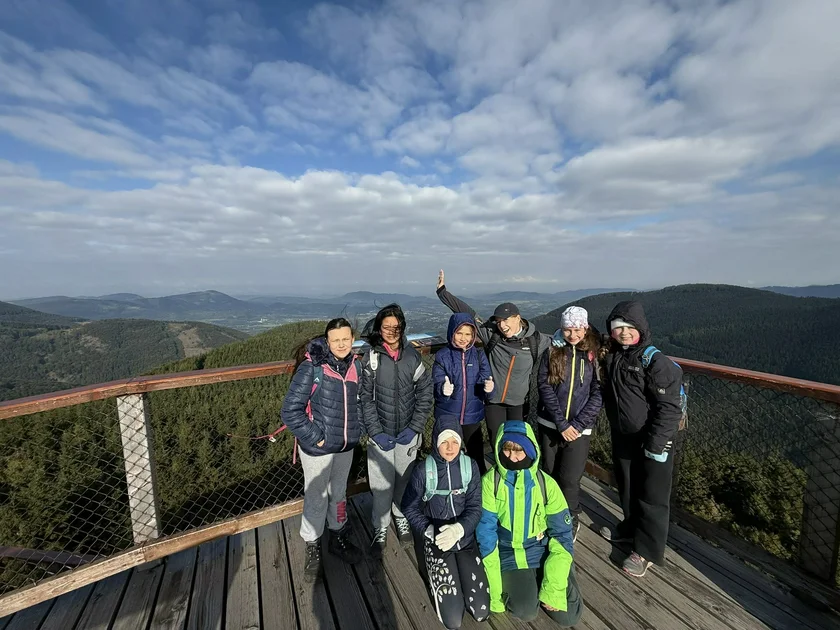
At Cesta k úspěchu, students spend at least 30 minutes outside every day. School gardens turn learning into something physical and tangible. Outdoor adaptation stays help new students build confidence and friendships during pivotal transition years. School-sponsored ski courses and international trips to places like England and Spain introduce children to new environments while encouraging independence and teamwork.
Beyond activities themselves, community plays a quiet but important role in school life. Shared events, workshops, and informal gatherings bring families together and help children feel that school is a place where they are known and supported. Maintaining connections, even after students move on, reinforces the idea that school is not just a phase, but part of a longer journey.
“Life outside the classroom provides experiences that deepen understanding and spark creativity,” says Svoboda. “The skills, confidence, and curiosity children develop through activities beyond the school day directly enhance their engagement, motivation, and success in academic subjects.”