



 Reading time: 4 minutes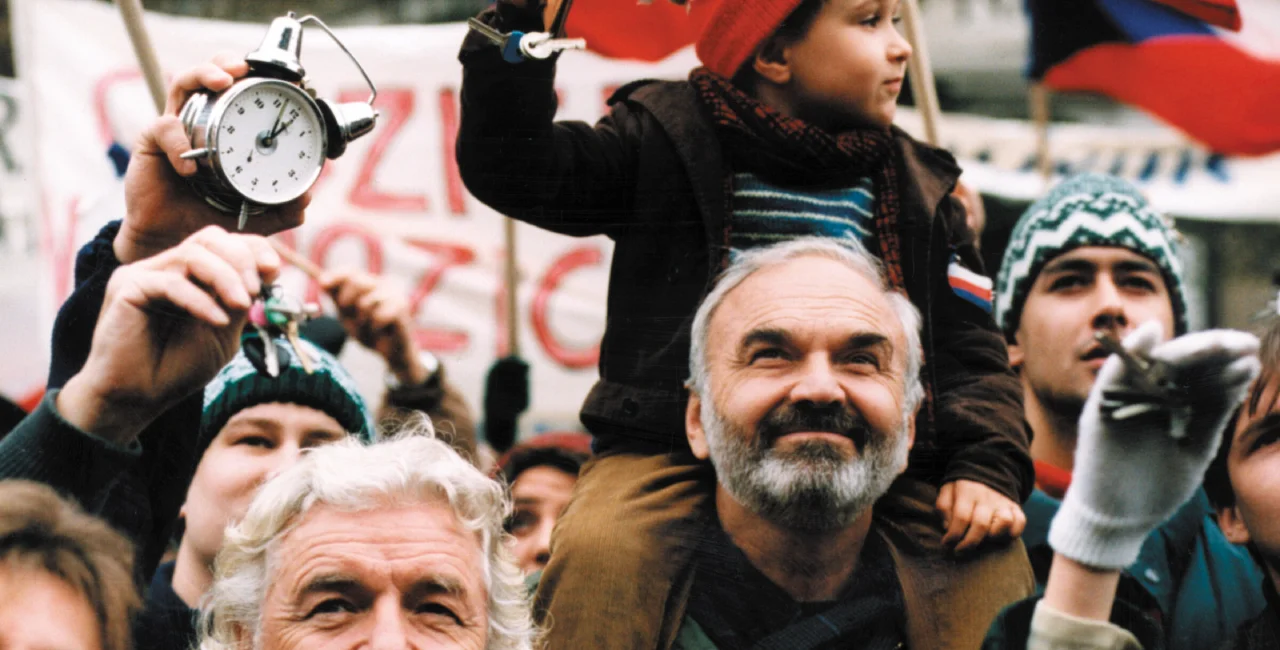

 Summary for: Why Zdeněk Svěrák is one of Czechia’s most beloved cultural icons
Czech actor, playwright, and screenwriter Zdeněk Svěrák turns 90 today, and his legacy is being celebrated across the country with a live broadcast from Prague’s Theater of Jára Cimrman and screenings in more than 100 cinemas across the country.
For Czech audiences, few cultural figures have shaped modern humor, language and storytelling as deeply as Svěrák. For international residents in Czechia, his work offers one of the clearest windows into how Czech comedy, identity, and film have evolved over the past six decades.
Svěrák's career spans radio, theater, film and literature, but a few pillars stand out: the fictional genius Jára Cimrman, his work in the Oscar-winning film Kolya, and a rare ability to connect generations through accessible, deeply local humor.
Jára Cimrman: Czechia’s greatest (fictional) genius
Much of Svěrák’s cultural impact begins with one of the most unusual creations in European theater: Jára Cimrman, a fictional Czech polymath invented in the 1960s by Svěrák and his friend and collaborator Jiří Šebánek.
Cimrman was presented as an overlooked genius—inventor, playwright, scientist and adventurer—whose contributions to world history were constantly ignored or misattributed.

The character first appeared in the radio program Nealkoholická vinárna U Pavouka (literally, The Non-Alcoholic Wine Bar U Pavouka), where Svěrák and colleagues developed improvised sketches that mixed academic parody with absurd humor.
From this experiment grew the Theater of Jára Cimrman, founded in 1967, which remains one of Prague’s most consistently sold-out theaters. Its plays, co-written by Svěrák and Ladislav Smoljak, combine mock scholarly lectures with absurdist stage performances.

The humor is deeply Czech: dry, linguistic, and reliant on understatement, wordplay and bureaucratic parody. Works such as The Pub in the Glade (Hospoda Na mýtince) and The Stand In (Záskok) have become cultural references that many Czechs grew up knowing by heart.
For English-speaking audiences, Cimrman has even been translated and staged in Prague at the Žižkov theater, showing how unusually adaptable the format has become. While the humor is rooted in Czech language and culture, it remains a key entry point for foreigners trying to understand local comedic sensibilities.
Today, Cimrman is widely considered one of the most important fictional characters in Czech culture, so influential that he was once voted “Greatest Czech” in a public poll... before being disqualified for not actually existing.
Film career capped by Oscar win
While Cimrman shaped Czech theater and humor, Svěrák’s film career also brought him international recognition, most notably through his longtime collaboration with his son, director Jan Svěrák.
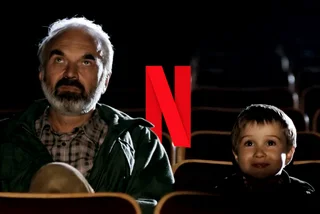
Their defining achievement came with Kolya, a film in which Zdeněk Svěrák not only wrote the screenplay but also played the lead role of a lonely Czech cellist who unexpectedly becomes the caretaker of a young Russian boy in the years leading up to the Velvet Revolution.

The film struck a global chord for its quiet emotional storytelling, set against the backdrop of political change in 1980s Czechoslovakia. It won the Academy Award for Best Foreign Language Film in 1997, the first and only submission from the Czech Republic to win the award (two previous submissions from the former Czechoslovakia also won).
Kolya was not an isolated success. The Svěrák–Smoljak writing partnership had already produced some of Czech cinema’s most iconic comedies throughout the 1970s and 1980s, including Joachim, Put Him into the Machine!, Mareček, Pass Me the Pen!, and A Cottage Near the Woods. They also produced a Cimrman movie, 1983's Jára Cimrman Lying, Sleeping.
Later collaborations with his son produced internationally-recognized films such as Elementary School, Dark Blue World, and Empties, blending nostalgia, humor and Czech historical memory. Across his son's films, Svěrák often appears on screen as understated, gentle characters such as teachers, fathers, or observers of everyday life.
A national celebration
Svěrák’s 90th birthday is being marked on March 28 with a nationwide cultural event originating from Theater of Jára Cimrman in Prague. The evening features an improvised program returning to the roots of his work, including a staged version of Nealkoholická vinárna U Pavouka, the first appearance of Cimrman.
A number of prominent Czech cultural figures are expected to appear, including Daniela Kolářová, Bolek Polívka, Karel Šíp and Vojtěch Kotek. The event is being broadcast live by Czech Radio and simultaneously screened in more than 100 cinemas across the country, a first-of-its-kind format combining radio, theater, and film distribution.

Part of the proceeds from ticket sales for the event will support Centrum Paraple, a Prague-based organization founded with Svěrák that assists people recovering from spinal cord injuries.
Czech Radio is also marking the occasion with special programming, including interviews, archival material and a new radio fairy tale written by Svěrák. The celebrations highlight how his work continues to span generations, from children’s songs and radio sketches to major cinematic works.
For many in Czechia, Svěrák’s influence is not confined to a single role or genre. Instead, it is embedded in everyday culture: in film quotes, theater traditions, school songs, and a uniquely Czech sense of humor that has endured for more than half a century.