




 Reading time: 2 minutes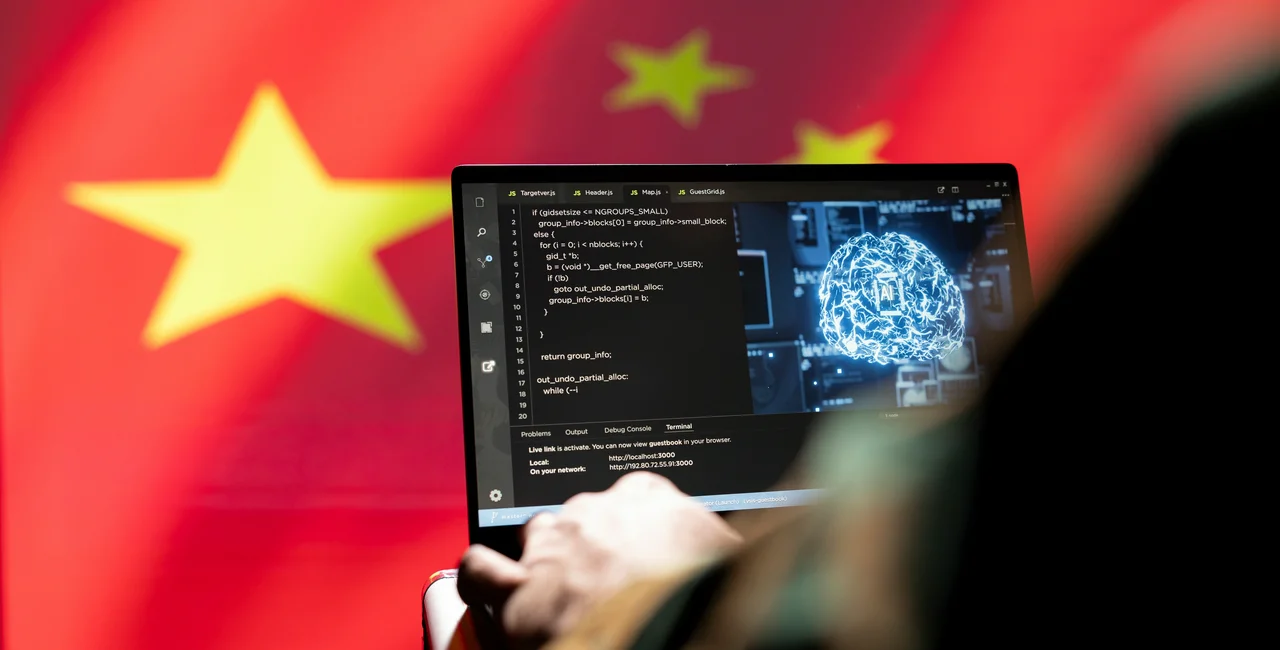

 Summary for: What the Czech-China cyber clash means for your security and privacy
The Czech government has formally accused China of orchestrating a prolonged cyberattack targeting the Ministry of Foreign Affairs. The announcement marks a significant escalation in cyber diplomacy and comes amid wider European concerns about foreign interference. Here’s what’s known so far—and how it could impact Czechia’s foreign relations.
Beijing blamed for breach
Chinese hackers targeted the Czech Foreign Ministry in a sophisticated cyberattack that lasted more than a year, the government said Tuesday, formally blaming Beijing for infiltrating one of the country’s most sensitive communication systems.
The attack, attributed to the Chinese state-sponsored group APT31, began in 2022 and affected a network tied to Czechia’s diplomatic operations, according to a joint investigation by multiple intelligence and cybersecurity agencies. Officials said the breach did not involve classified material, but it did expose internal communications.
“This malicious activity... was carried out by the APT31 cyber espionage group, publicly associated with China’s Ministry of State Security,” the Foreign Ministry said in a statement.
Everyday Impact
This cyberattack didn’t expose personal data but shows ongoing risks to Czech digital security. Outdated systems leave sensitive government info vulnerable, which could affect national security and public services. Cooperation with NATO, the EU, and allies aims to prevent future attacks and protect services like passports and healthcare. While your data wasn’t at risk this time, the breach highlights the growing need for strong cybersecurity to keep information safe.
Diplomatic fallout
Foreign Minister Jan Lipavský summoned the Chinese ambassador to Prague, Feng Biao, on Tuesday morning to formally protest the cyberattack. He said the ministry’s system had long suffered from outdated technology and security flaws, which made the breach possible.

“Documents related to Asia were of particular interest to the attackers,” Lipavský said, adding that a secure new communication system was introduced last July.
Prime Minister Petr Fiala praised Czech intelligence for detecting the intrusion and said the country is now working with EU and NATO partners to boost cyber defenses.
Backed by allies
The U.S., NATO, and the European Union all issued statements of support. “This fits a recurring pattern of behavior by APT31, which has previously targeted democratic allies,” said Lukáš Kintr, head of the National Cyber and Information Security Office (NUKIB).
The U.S. Embassy in Prague said the group has also stolen trade secrets and targeted foreign politicians and businesses tied to critical infrastructure.

Past warnings
Czech authorities have repeatedly warned about Chinese technology and influence operations. Since 2018, national agencies have issued alerts about Huawei and ZTE hardware, as well as apps like TikTok and WeChat.

Officials say the latest breach underscores the need for stronger digital defenses and coordinated responses across Europe and the Indo-Pacific.