




 Reading time: 2 minutes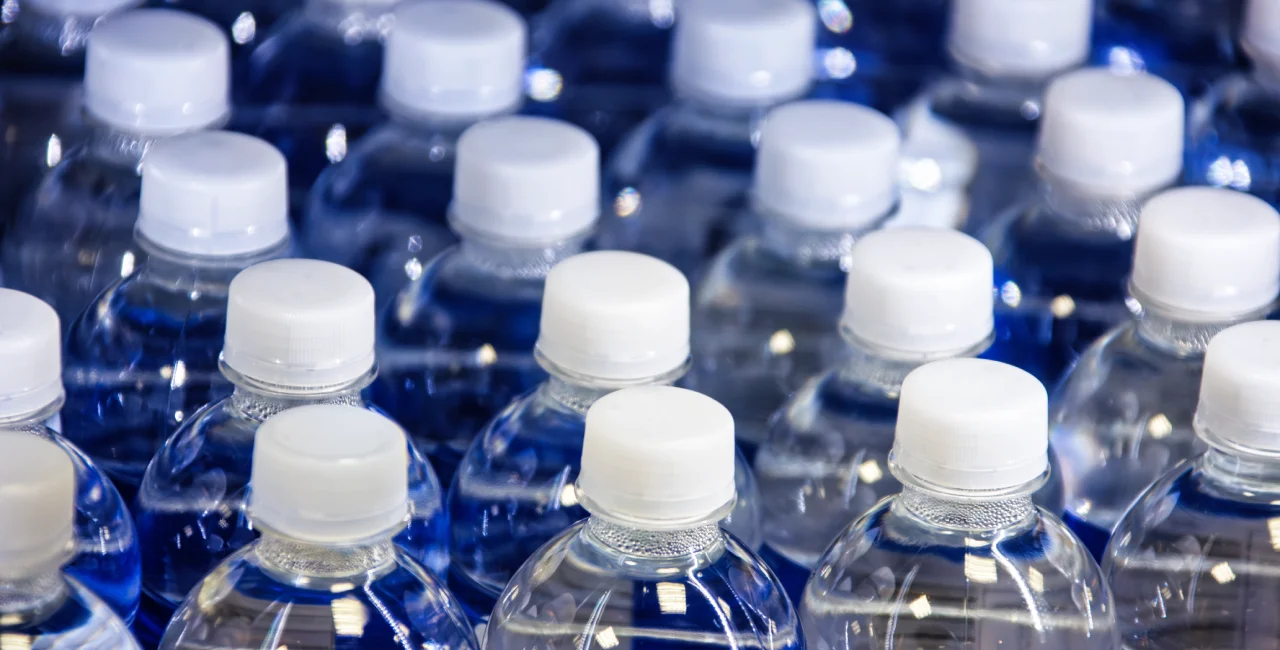

 Summary for: Slovak child hospitalized after drinking Czech-bottled water with extreme pH
A child in Slovakia has been hospitalized with chemical burns to the digestive tract after drinking from a bottle of mineral water produced in Czechia, prompting an investigation by authorities in both countries.
Laboratory testing of water from a half-liter bottle of lightly carbonated Natura found a pH level of 14, indicating possible contamination with a strongly alkaline corrosive substance, Slovak public health authorities said.

The affected batch was bottled in Teplice nad Metují in eastern Bohemia but, according to Czech authorities and the manufacturer, was supplied exclusively to Slovakia and is not available on the Czech market.
Consumers warned not to drink affected batch
The affected product is Natura lightly carbonated mineral water, 500 ml, batch L61481/00:20, with a best-before date of Nov. 27, 2026.
Slovak authorities have urged anyone with a bottle from the batch not to drink it and to return it to the place of purchase.
The case emerged in Kráľová pri Senci, around 30 kilometers from Bratislava. According to Slovak media, a child became ill after drinking from a previously sealed bottle and was taken to the National Institute of Children's Diseases.
Doctors initially suspected chemical burns to the digestive tract, which subsequent examination confirmed. The child remained hospitalized as of Wednesday.

A pH of 14 is at the extreme alkaline end of the pH scale. Slovak health officials said consuming a strongly alkaline substance can cause chemical burns to the mouth and digestive tract and, in severe cases, bleeding and other life-threatening complications.
The specific substance detected in the water has not yet been identified.
Czech food inspectors cautioned that the laboratory analysis was performed on a bottle that had already been opened and used by the consumer, meaning the source of the suspected contamination has not yet been established.
Preliminary findings also showed that the batch was bottled several hours after the production line's most recent sanitation, which Czech inspectors said does not currently point toward contamination during production.

The Czech State Agricultural and Food Inspection Authority is investigating the case with the manufacturer and distributor, while police in the Náchod region are cooperating with Czech health authorities and Slovak investigators.
Slovak police have opened criminal proceedings on suspicion of endangering health through defective food or other products.

Czech health officials stressed that the affected batch was exported only to Slovakia. Consumers in Czechia therefore do not currently need to take action, while the investigation into how the corrosive substance entered the bottle continues.