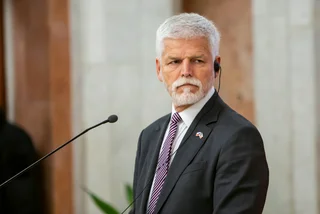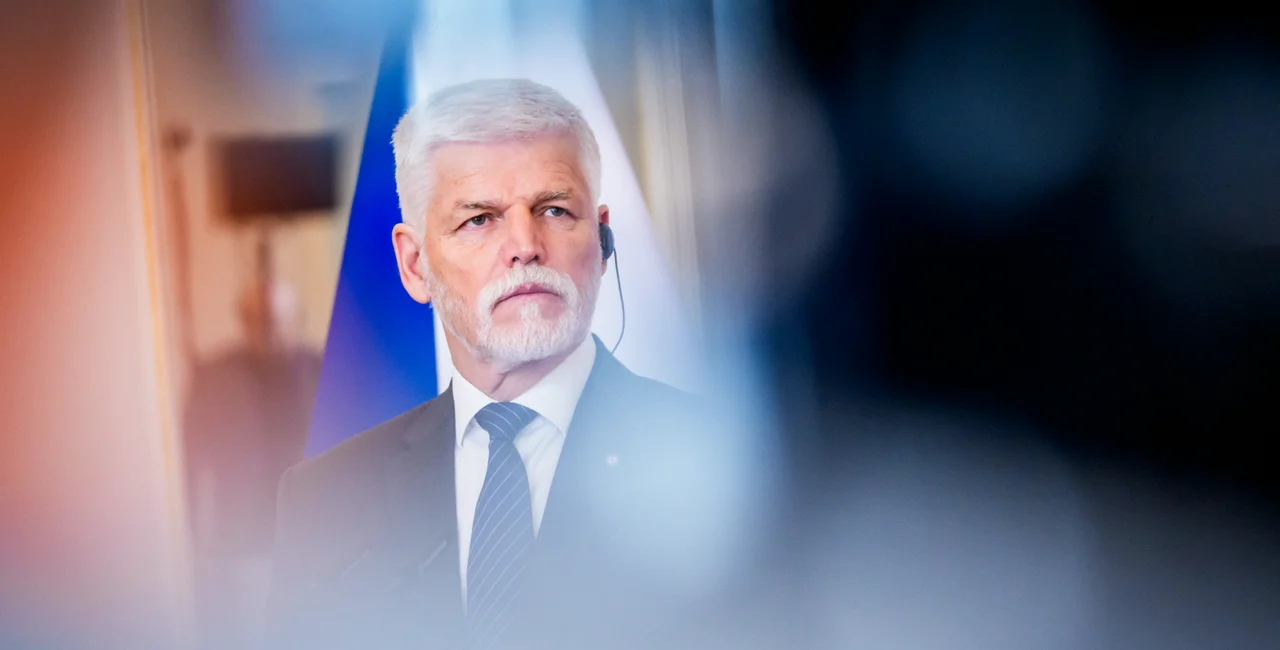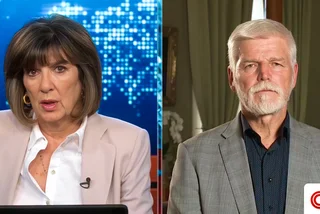
Russia poses a direct and growing threat to European security, Czech President Petr Pavel warned the UN General Assembly in New York on Wednesday, while calling for sustained pressure on Moscow alongside serious diplomatic efforts.
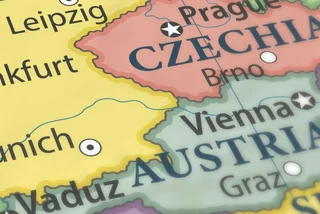
Pavel said the danger was no longer confined to Ukraine or countries on NATO’s eastern flank. He cited a recent attempted Russian drone attack on Leipzig/Halle Airport in Germany, around 150 kilometers from the Czech border, as evidence of the threat’s proximity.
But the consequences of Russia’s invasion extend far beyond Europe, he said, particularly through disrupted food production, exports and supply chains affecting countries dependent on affordable imports.
Pavel calls on China to use its influence
“Russia’s aggression continues to inflict enormous suffering on the Ukrainian people,” Pavel told the assembly. “Civilians and civilian infrastructure continue to be attacked indiscriminately.”
He noted that Russia launched and continues to wage the war despite holding a permanent seat on the UN Security Council. Pavel described the invasion as a violation of the UN Charter and the fundamental principles of international law.
The Czech president also called on China, another permanent Security Council member, to play a greater role in ending the conflict.
“China has the power, influence and responsibility to help prevent conflicts, de-escalate tensions and contribute to ending wars,” Pavel said. This responsibility, he added, includes using its leverage to help bring Russia’s aggression against Ukraine to an end.
Pavel nevertheless argued that the UN remains an essential forum for talks, even when an agreement appears distant. “While we need to raise the costs of war for Russia, we must give serious diplomatic efforts a genuine chance,” he said.
Czechia seeks UN Security Council seat
Part of Pavel’s address focused on reforming the United Nations and Czechia’s campaign for a nonpermanent seat on the Security Council in 2032 and 2033.
If elected, Czechia would take an active role in the council and accept its share of responsibility for preventing and resolving conflicts, he said. The country would support political engagement, humanitarian assistance and practical international cooperation.
“We will stand for the protection of civilians and critical infrastructure, and for accountability when international law is seriously violated,” Pavel said.
He also pledged that Czechia would continue advocating for human rights, democracy, peaceful assembly and free elections. New technologies, he said, should strengthen societies rather than weaken them.
Pavel warned that the success of UN reform would not be measured by the creation of new structures or diplomatic language. Instead, its credibility would depend on whether the international system could enforce its rules, protect civilians and uphold international law.
“The future legitimacy of the United Nations may depend on it,” he said. “Nowhere is this more important than in peace and security.”