 Reading time: 5 minutes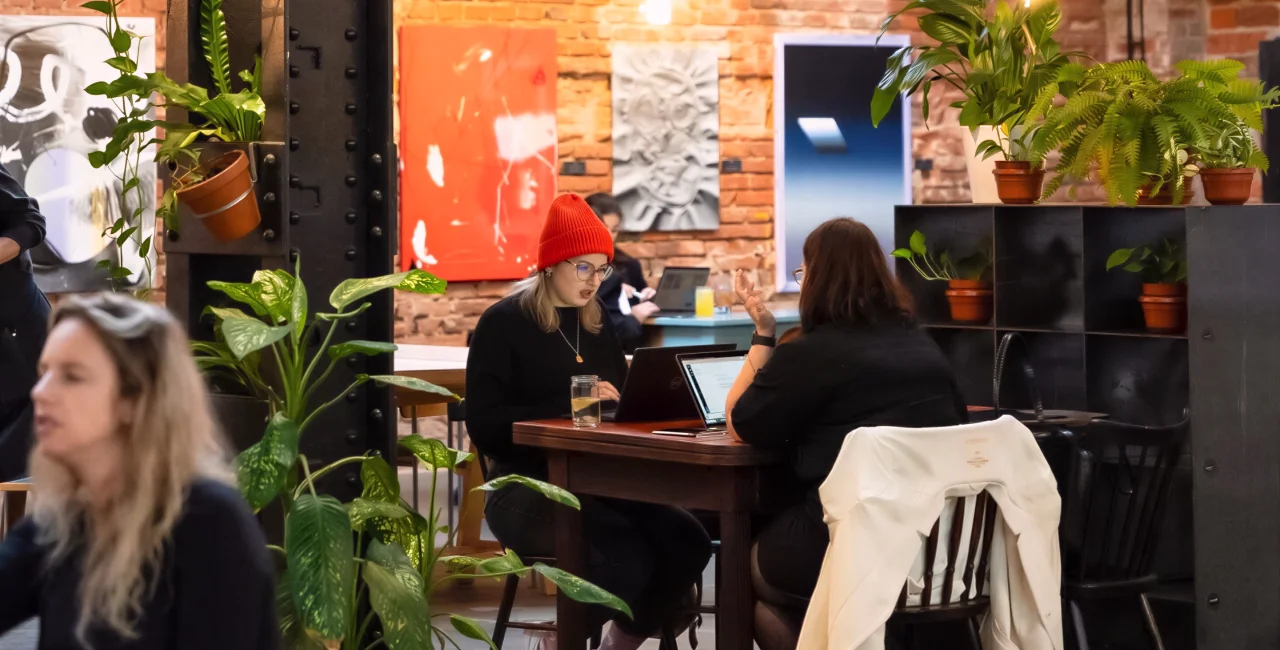

 Summary for: Prague’s coffee culture faces a laptop dilemma: When does a café become an office?
“No laptops, just real vibes.”
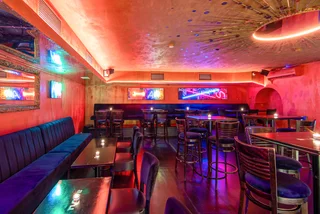
The signs appeared in the restaurant section at Vnitroblock in Holešovice in the first week of July. Since moving across the street in January, I’d made the café under the Dudes & Barbies brand a regular work spot.
The large space, cool vibes, tasty nibbles, strong Wi-Fi, and multiple bathrooms are ideal for a laptop-based career, especially in the dining area with the straight-backed chairs and 2- to 4-person tables. On that July day, however, work was restricted to just two long tables in that half of the space, and enforcement was active.
Despite the inner “hrumpf,” I fully understand the policy. As Czechia ranks among the leading countries for remote workers, I’ve watched us fill up tables at many Prague cafes for hours at a time.
As laptops become more common, café owners are increasingly weighing the value of long-stay customers against the need to keep seats available for diners and other guests.
Computer-free zones
Some have introduced computer-free zones or weekend bans; others have gone the opposite direction, actively courting remote workers.
“Our main goal is simply to ensure that customers who come to have a meal, whether it's during lunch or dinner, actually have a place to sit,” explains Zuzana Jurová, head of marketing, for Dudes & Barbies.
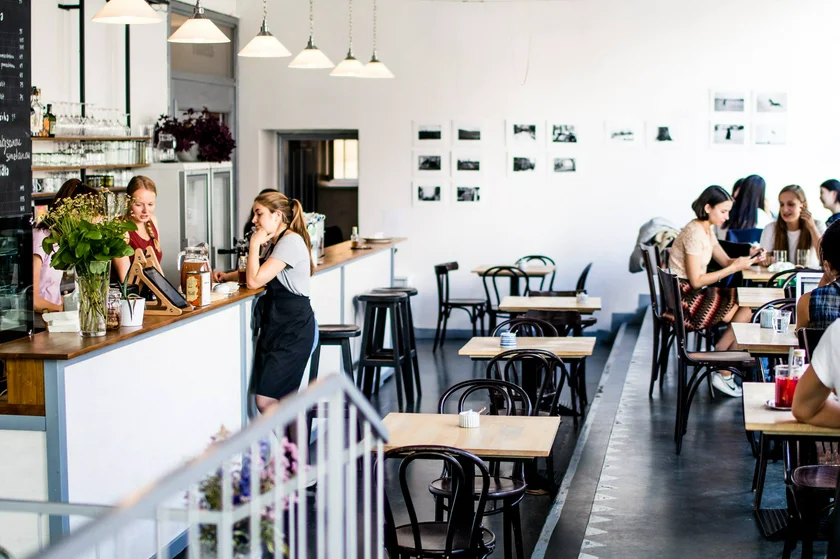

Jurová is far from alone. Many other Prague cafés now follow Vnitroblock’s approach, including Mamacoffee, where some tables welcome laptops, while others don’t.
“Some of our cafés have limited seating, and particularly during busy hours, guests working on laptops may occupy tables for longer periods of time,” says Magdalena Kovalčíková, marketing manager for Mamacoffee.
“This can make it difficult for others to find a place, including those who come for coffee, breakfast, or to spend time together.”
Weekend bans
Other Prague cafes have gone further, banning laptops entirely on weekends, including Coffee Corner in Vinohrady, Misto in Dejvice, and Cukrárna Alchymista in Letná.
Economics is also driving restrictions, says Kristýna Havleová, manager of Coffee Corner.
“I think the biggest problem is that some people come to work there, and they order one coffee and stay the whole day.”

That’s a problem in an industry with traditionally slim margins, explains Zuzana Petrusová, manager of Misto, a popular spot for laptop workers.
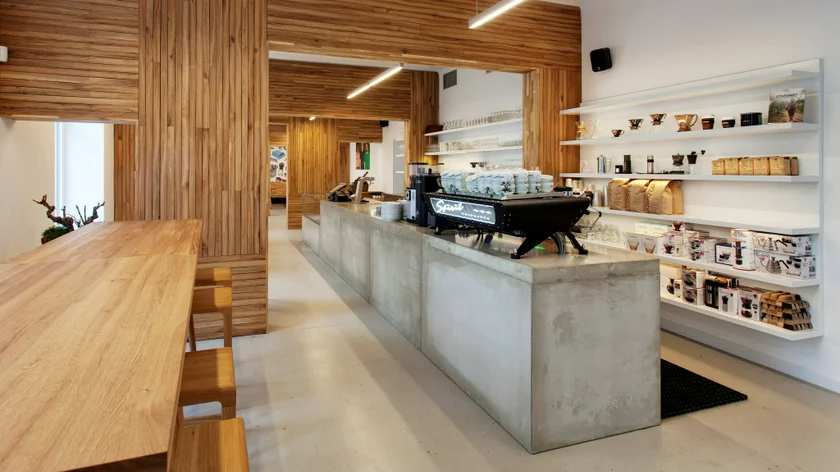
“If tables are occupied for several hours by guests who make only a small purchase, it can have a significant impact, especially in smaller spaces,” she explains.
The issue isn’t just financial, she says.
“We always feel genuinely sorry when we have to tell guests who were looking forward to visiting us that we don't have a table available.”
For Petrusová and other café owners, weekends are also part of the equation.
“Most people work throughout the week, and the weekend is their valuable time to slow down,” she says. “It doesn't make sense to keep tables occupied by people working on laptops while turning away families, groups of friends, or couples who came to spend time together.”

Havleová agrees.
“It’s the weekend! Enjoy yourself, have breakfast, slow down, and just stop for a minute.” A staff member at Cukrárna Alchymista expressed a similar sentiment: “On the weekend, you should enjoy.”
Not every café sees laptops as a problem
Loft Café in Karlin actively welcomes workers, placing cards on tables that read “We love that you choose our café as your workspace.” The café also offers “Work & Sip” packages with drinks and nibbles.
Kolektor Café at the National Gallery welcomes coworkers in designated areas, including its upstairs "blue room," while Globe Bookstore & Café in New Town has long been a favorite workspace for Prague's international community.

Perhaps no café in Prague embraces coworking more fully than Cafedu, just behind the National Museum.

Its two floors are filled with students and remote workers, and it offers dedicated coworking memberships starting at CZK 499 per month for students and CZK 1,790 for everyone else, well below the cost of many dedicated co-working spaces, which can run up to CZK 8,000 per month.
Best practices for plugging in
Whether a café welcomes laptops or limits them, owners say the same principles apply: be mindful of the space you're using.
“My biggest piece of advice is simple,” says Petrusová. “Be empathetic towards the cafés, and try to see things from their perspective. Running a café has become increasingly expensive. Cafés need healthy turnover not simply to increase profits, but to keep the whole business sustainable and continue providing the quality and hospitality that guests expect.”
If communal tables are available, she suggests using them instead of occupying larger tables meant for groups. “Sometimes people spread their laptop, chargers, notebooks, and bags across three spots.”
Situational awareness matters, too.
“If the café is full and people are waiting for tables, it's probably not the best moment to occupy a four-person table for hours over a single drink.”

Havleová concurs. “If you go to a cafe that serves a brunch, maybe don’t go around that time.
Ordering throughout a longer stay also helps.

"We understand that working takes time, but for the café to function, it's crucial not to sit for a whole afternoon over a single lemonade," Jurová says. "Ordering naturally throughout your stay is the best way to support the café and show appreciation for the workspace provided."
Ultimately, Petrusová says, small gestures can help preserve a balance that works for everyone.
"A little awareness and consideration go a long way, and they help cafés remain welcoming places for everyone."
Beyond the cafe: Prague’s unexpected coworking spots
Need a place to work but don’t want to spend the day in a traditional coworking office? Prague has plenty of less obvious options, from hotel lounges to hybrid spaces that blur the line between café and office.

- Hotel lounges Many Prague hotels welcome remote workers, especially during the day when their cafés and restaurants are quieter. The Augustine, a Luxury Collection Hotel, Prague in Malá Strana offers a peaceful setting with its historic monastery garden, while Hotel Paris Prague near Náměstí Republiky provides an Art Nouveau café atmosphere. A few blocks away, The Julius Prague has a coworking lounge open to the public. W Prague also welcomes coworkers in its lounge on Thursdays from 10:30 a.m. to 4 p.m. outside the summer season.
- More unexpected spaces: For those who want a more structured workspace without paying full coworking prices, Prague has several middle-ground options. Cafedu, near the National Museum, combines a café, study space, and coworking area, with private spaces available through daily, weekly, and monthly memberships. Prague Hygge, a newer concept in the Radost FX space, offers another hybrid option.