



 Reading time: 2 minutes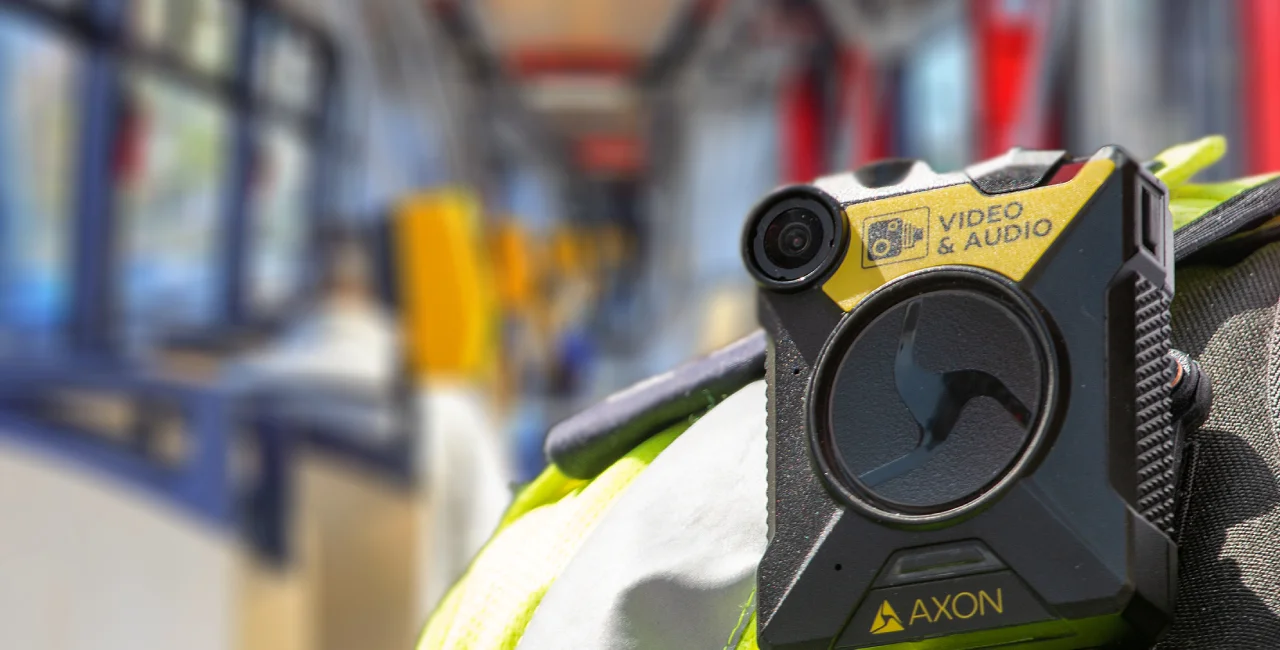

 Summary for: Prague ticket inspectors will soon be equipped with body cameras
Ticket inspectors on Central Bohemian Integrated Transport (IDSK) vehicles are now equipped with portable cameras to record interactions with passengers, and the measure will soon be brought to Prague.
The cameras come after a rise in disputes and complaints linked to the introduction of boarding through all doors, which has increased the frequency of verbal conflicts.

The new recordings provide objective documentation of inspections, enabling faster and fairer review of contested situations. Without video evidence, passenger complaints are harder to resolve, often resulting in conflicting statements.
How the system works
IDSK has signed a framework contract for up to 100 cameras worth over CZK 3.2 million. Inspectors are required to record the full duration of any ticket check. If a passenger files a complaint and no recording is available, the decision defaults in favor of the passenger.
All footage is encrypted and stored securely, with deletion schedules complying with legal requirements and internal guidelines, allowing review of complaints up to 30 days after recording.

Filip Drápal, a spokesperson for Prague Integrated Transport, emphasized that the cameras are intended to “increase transparency and improve communication,” rather than serve as a punitive tool.
Inspectors also receive regular training in conflict resolution and passenger interaction. The recent boarding changes have led to a need for additional inspectors across the region.

Expansion to Prague
The Prague Public Transit Company (DPP) plans to implement a similar system later this year. While metro stations, newer trams, buses, and trolleybuses already feature cameras, these are not always sufficient for documenting disputes during ticket inspections.
DPP spokesperson Daniel Šabík said a pilot project will test portable cameras with both video and audio recording, comparing different technologies and establishing an internal methodology in line with data protection and labor laws.
Have you ever been fined on Prague public transport?
The pilot is scheduled to begin in the first quarter of 2026, with collaboration between DPP, IDSK, and the Association of Transport Companies to share experience and best practices.
The move reflects a wider trend in public transport toward enhancing transparency and security during passenger interactions. By recording disputes, operators aim to reduce the number of unresolved complaints and improve the efficiency of complaint handling.
Passengers can expect that inspections may now be fully recorded, and any complaints should reference the availability of footage. Authorities encourage compliance with new boarding procedures and respectful conduct to facilitate smooth inspections.