



 Reading time: 3 minutes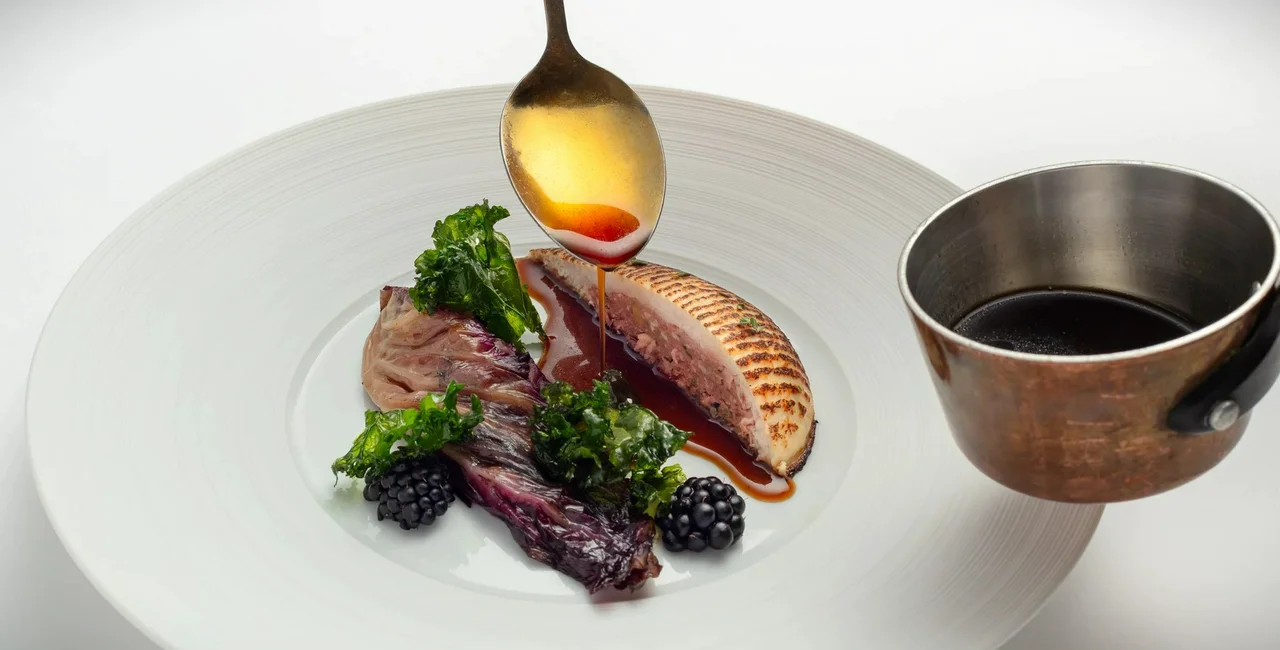

 Summary for: Levant flavors find a home in Prague as international chefs choose the Czech capital
When the Michelin Guide expanded to cover all of Czechia, it marked a turning point for the country’s dining scene. For many international professionals living in Prague, the shift reflects something broader; the well-connected city is increasingly proving to be the perfect launchpad to innovate within their industry.
One example is Parzival, a new 20-seat restaurant in Prague 1 that opened in October 2025 and earned a Michelin Guide mention within weeks. While early recognition is notable, the more significant story is why its chef, Gal Ben Moshe, chose Prague for his next chapter.
Ben Moshe is one of many professionals who arrive in Prague with established careers built abroad, including time in London kitchens under Jason Atherton and Marcus Wareing, experimental work at Chicago’s Alinea, and a decade cooking in Germany. He previously held a Michelin star for six years at his Berlin restaurant Prism, but rather than extend that concept elsewhere, he decided to start from scratch in the Czech capital.
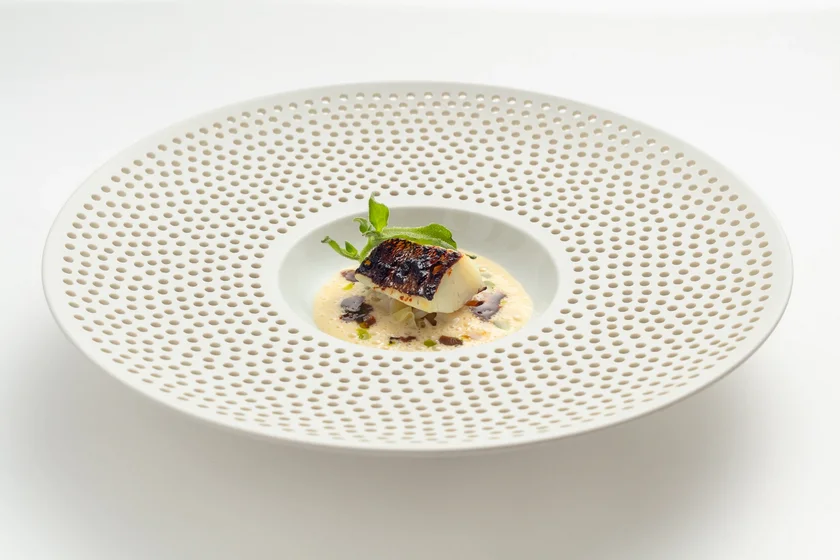
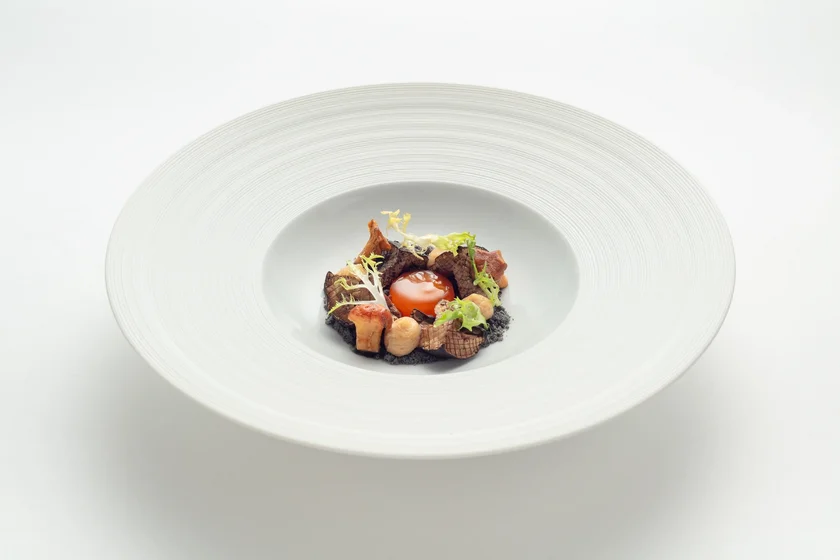
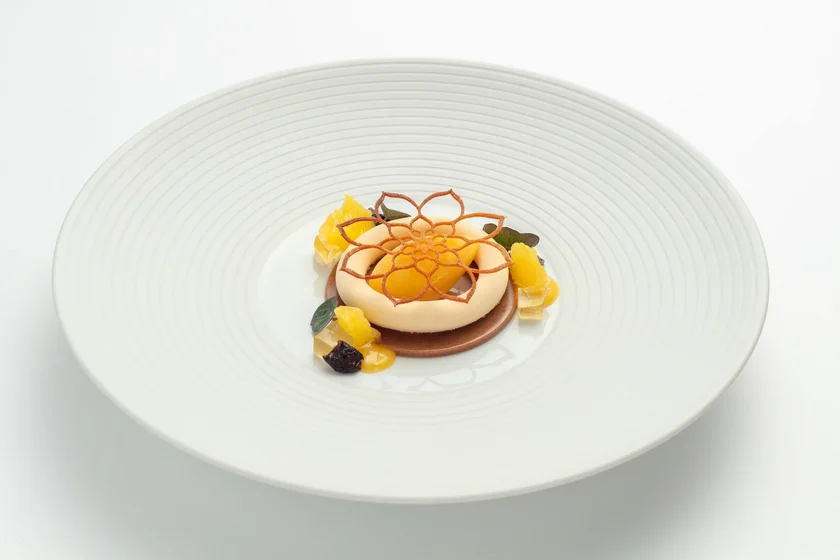
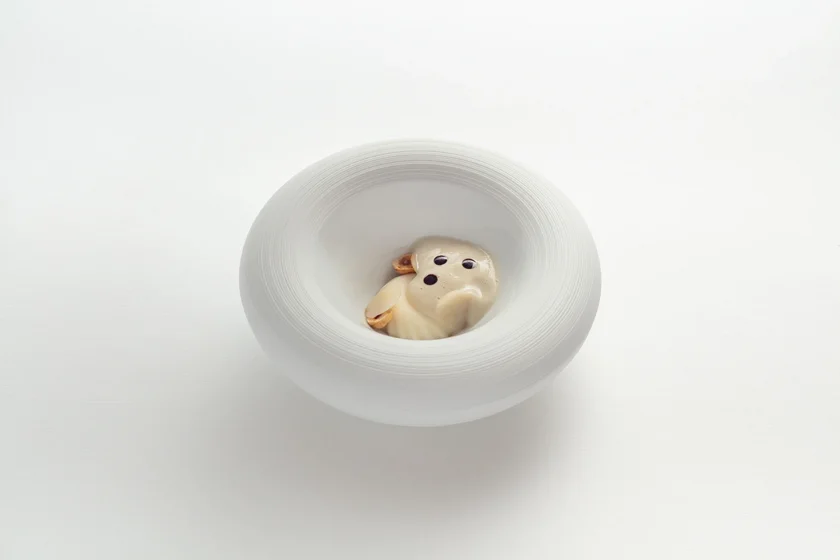
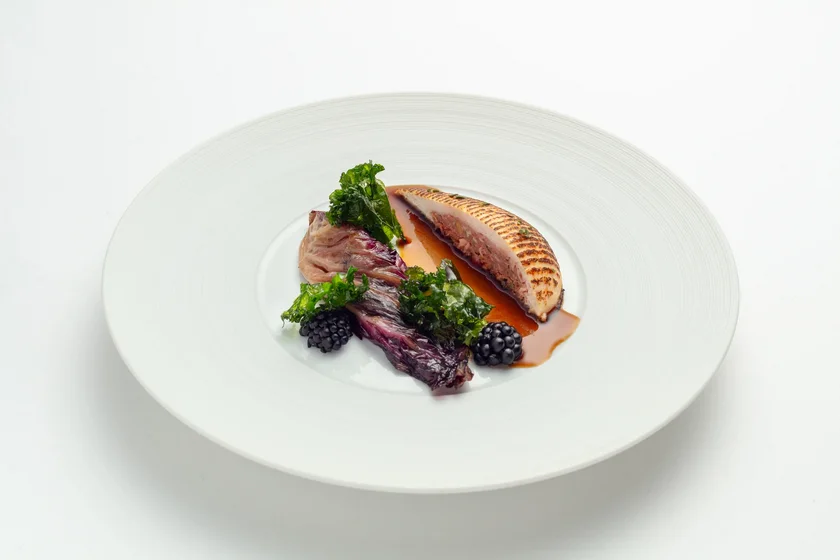
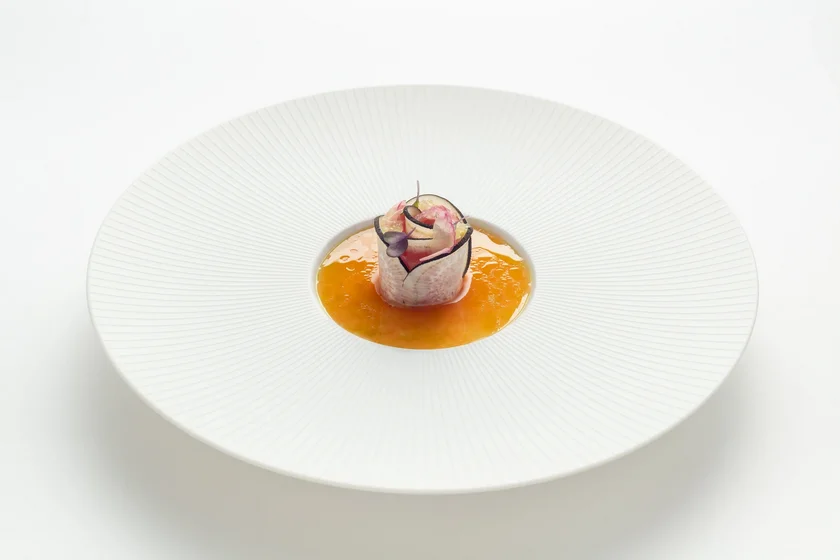


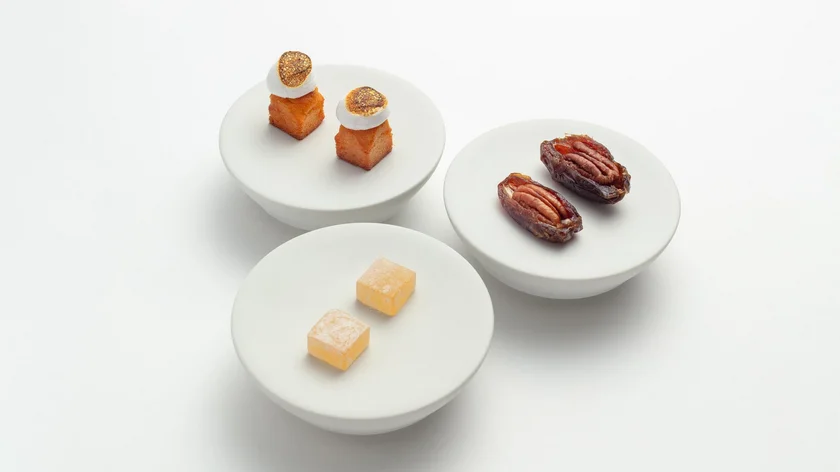
I didn’t want to open a sequel to Prism,” he says. “Prague deserved something created specifically for this city, not imported.” Parzival reflects what he describes as “the sum of everything he has learned,” shaped by movement rather than a single destination.
Levantine influences, quietly present
Instead of anchoring the restaurant in one cuisine, Parzival operates with a fixed six-course tasting menu in which each dish reflects a moment, influence, or experience from the chef’s life. The menu changes around six times a year, guided by seasonality and the story Ben Moshe wants to tell.
“The menu isn’t about geography,” he explains. “It’s about experiences that stayed with me. A smell from childhood, a technique I learned in London, a mistake that turned into a lesson in Berlin. Each course is one of those fragments.”
Ben Moshe was born and raised in the Levant, and those roots appear throughout his cooking. Parzival is not positioned as a Middle Eastern restaurant, and there is no fixed thematic framework tied to the region. Instead, Levantine influences are subtle, manifesting through flavor balance, acidity, and technique.
“I don’t force Levantine notes into the dishes,” he says. “They simply surface. Like an accent you never lose.”
Wine also plays a central role in the Parzival experience. Guests can choose between a classic pairing or a Levant-inspired option that highlights bottles from Israel, Lebanon, and neighboring regions.
The program is led by sommelier Jacqueline Lorenz, described by Ben Moshe as someone for whom wine is integral rather than decorative. “With Jacqueline, wine isn’t an accessory,” he says.
A space designed for focus, not spectacle
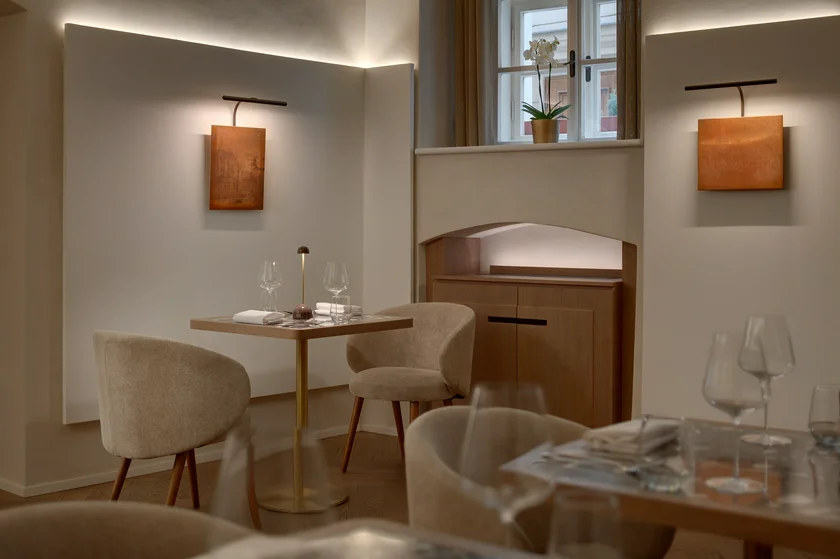
Parzival seats around 20 guests. The dining room is deliberately understated, with warm lighting and a calm atmosphere designed to encourage intimacy and connection rather than visual drama.
I want the room to feel like a conversation. Not a performance,” Ben Moshe says.
The scale is intentional. It allows the restaurant to operate with precision and restraint, qualities that resonate with those who value Prague for its balance between professional ambition and everyday livability.
The Michelin Guide mention was a pleasant surprise, but rather than signaling a race for accolades, Parzival reflects a broader pattern. Prague is increasingly attracting experienced international professionals who choose the city not as a stepping stone, but as a place to settle and create on their own terms, who understand its advantages and know there's room to grow.
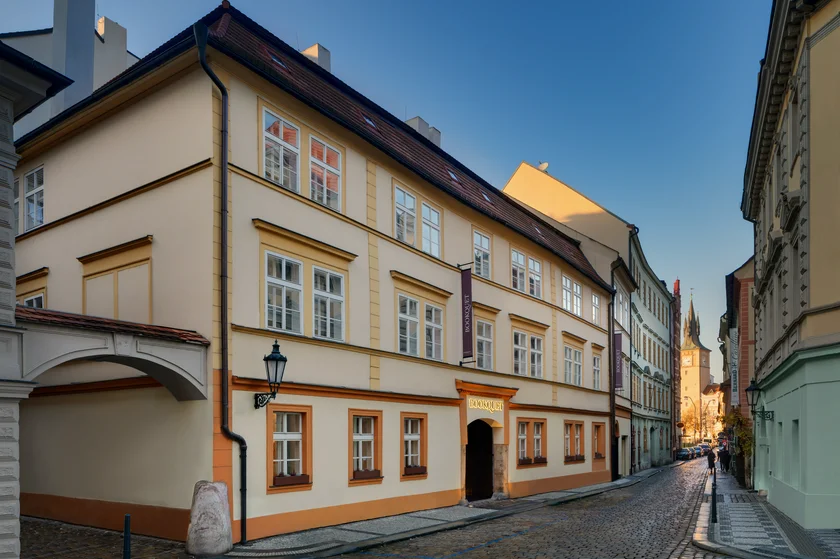
Parzival is located on Karoliny Světlé Street in Prague 1, within the BOOKQUET boutique hotel. The project is supported by JAN HOTELS, which focuses on hospitality concepts rooted in quality and long-term vision.