



 Reading time: 3 minutes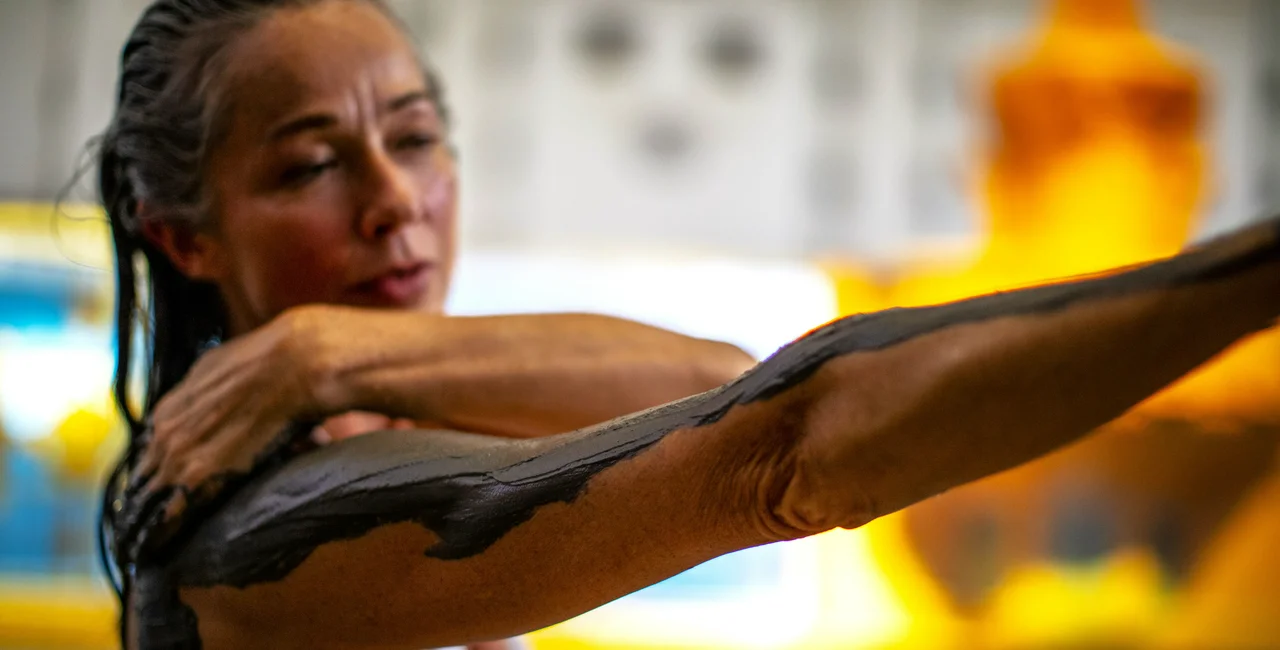

 Summary for: Can a spa stay reduce joint pain? A medical expert breaks it down
Living with arthritis often means managing pain rather than escaping it. Whether you’re dealing with morning stiffness or a persistent aching that intensifies throughout the day, joint issues require consistent management. While medication and physiotherapy remain essential, they don’t always provide lasting relief on their own. That gap is one reason why more people are turning to comprehensive medical spa stays.
Across Central Europe, medical spas provide a natural extension of arthritis care, often combining physician-led treatment with mineral-rich waters and therapeutic mud. These programs are designed not as indulgence, but as targeted interventions aimed at reducing inflammation, improving mobility, and extending periods of relief.
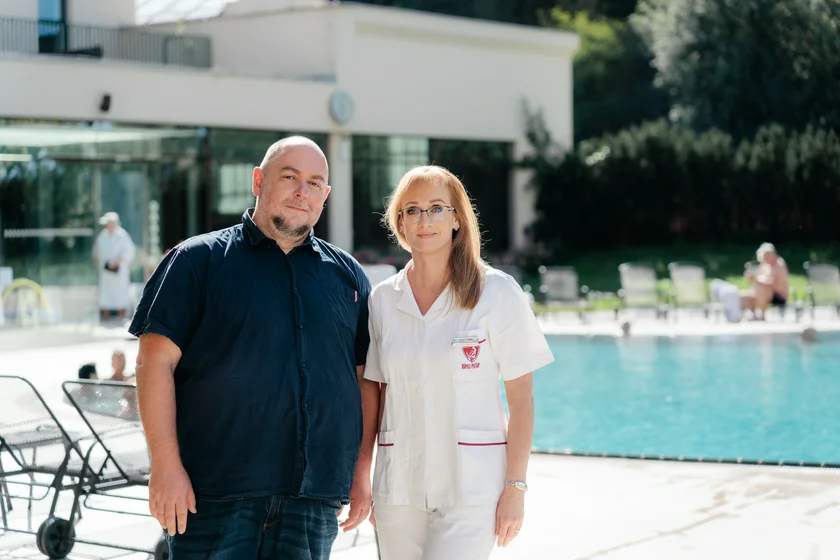
We spoke with MUDr. Alena Korenčíková, medical director at Ensana Piešťany in Slovakia, to understand how tailored rehabilitation and natural therapies can help reduce joint pain, and how you can support relief beyond the duration of your spa stay.
How medical spa doctors treat arthritis conditions
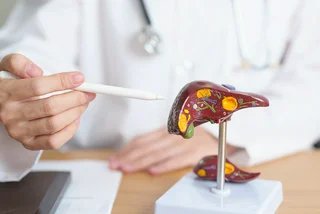
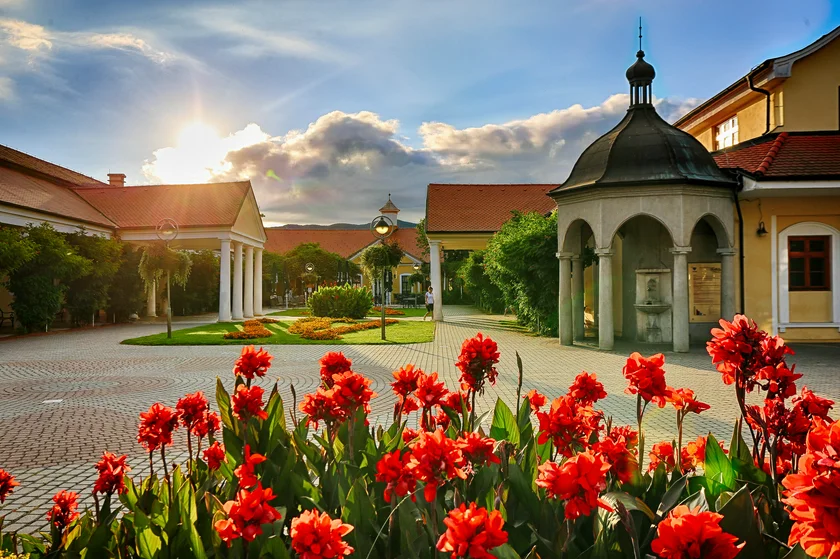
Nestled in Slovakia’s lush Váh River valley just 80 km from Bratislava, Piešťany is particularly renowned as a place where the natural surroundings aid in therapeutic practices. In terms of joint pain, the spa conducts a medical evaluation to determine whether a patient is in a suitable stage for therapy.

“Various rheumatic diseases are treated, but only in the stage of low disease activity,” explains Korenčíková. This includes conditions such as rheumatoid arthritis, ankylosing spondylitis (also known as Bechterev’s disease), and osteoarthritis.
Once admitted, patients follow a structured program that combines balneotherapy with physical therapy and rehabilitation. The aim is to relieve pain while improving joint mobility, muscle strength, and overall physical condition.
Rather than replacing conventional care, these treatments are designed to support it. They may also help reduce the need for pain medication over time. Progress is monitored and adjusted throughout your stay.
“Following a three-week comprehensive spa treatment, the patient’s condition is typically improved for a period of approximately six to nine months,” says Korenčíková.
This aligns with findings from the Arthritis Foundation, which highlight the benefits of hydrotherapy and warm-water exercise in reducing joint pain and stiffness while improving flexibility.
Natural spa therapies that ease arthritis symptoms
A defining feature of medical spa care is the use of natural resources with therapeutic properties. The Piešťany hot springs bubble up from 2,000 meters below ground with temperatures reaching 67 to 69 degrees Celsius. Spa treatments are built around the town’s famous thermal mineral water and sulfur-rich mud.
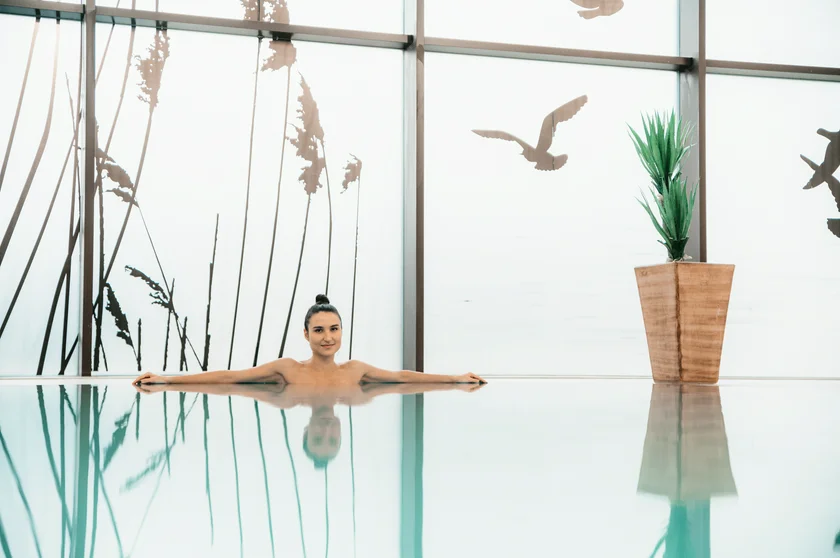
The thermal water contains a mix of calcium, magnesium, and hydrogen sulfide, a compound known for its anti-inflammatory and regenerative effects. Patients typically bathe in pools cooled to therapeutic temperatures, while mud applications provide another layer of treatment.
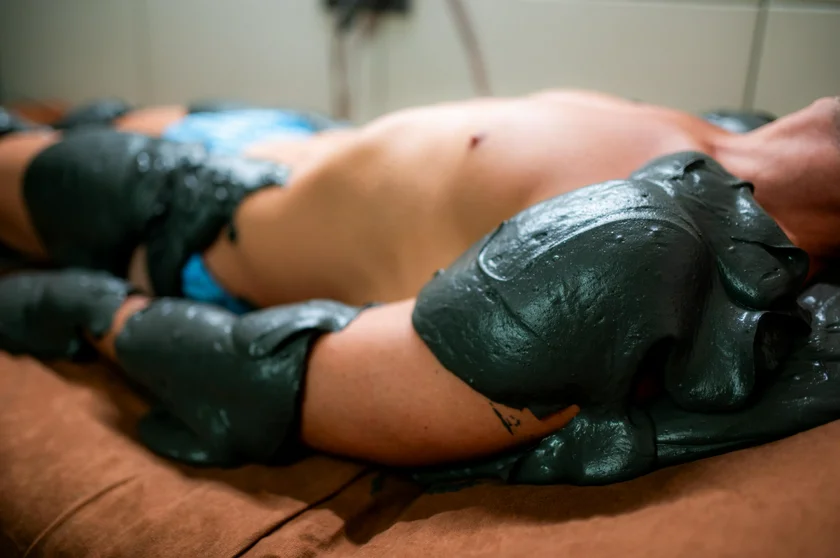

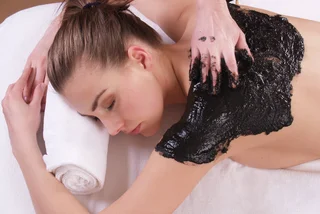
“Piešťany sulfur mud is considered one of the highest-quality peloids in the world,” Korenčíková says. Its unique consistency allows heat to penetrate deeper into tissues, which can help relax muscles and improve joint mobility. The mud also contains substances that reduce the degradation of elastin, collagen, and hyaluronan in cartilage, tendons, and connective tissues.
Together, these therapies work to reduce inflammation, relieve pain, and support recovery. Their benefits tend to build gradually, with repeated applications forming an essential part of the process rather than delivering one-off results.
“They reduce the activity of inflammatory cells, and also provide analgesic, anti-edematous, and regenerative effects,” says Korenčíková. She adds that repeated applications are key, as a single treatment delivers only short-term results.
How to maintain joint health after a medical spa stay
The benefits of a spa program do not end at checkout. In fact, what happens afterward plays a pivotal role in how long the results last.
Korenčíková emphasizes the importance of consistency. Regular physical activity tailored to your condition is essential, along with exercises that improve mobility and strengthen supporting muscles. Walking, cycling, swimming, and aquatic exercise are often recommended because they are low-impact and joint-friendly.

Lifestyle factors also matter. Maintaining a healthy weight, getting consistent sleep, and managing stress can all help reduce joint strain.
For those with inflammatory forms of arthritis, ongoing medical care is important. “In rheumatic diseases, it is necessary to continue treatment with disease-modifying drugs and to maintain regular follow-up with a rheumatologist,” Korenčíková emphasizes.
A medical spa stay can provide a meaningful reset. By combining physician oversight, targeted therapies, and natural resources, these programs offer a structured way to reduce symptoms and support joint health.
Take advantage of Ensana's summer sale, with up to 25 percent off at select properties across Central Europe. Offer is valid from June 9-17, 2026.